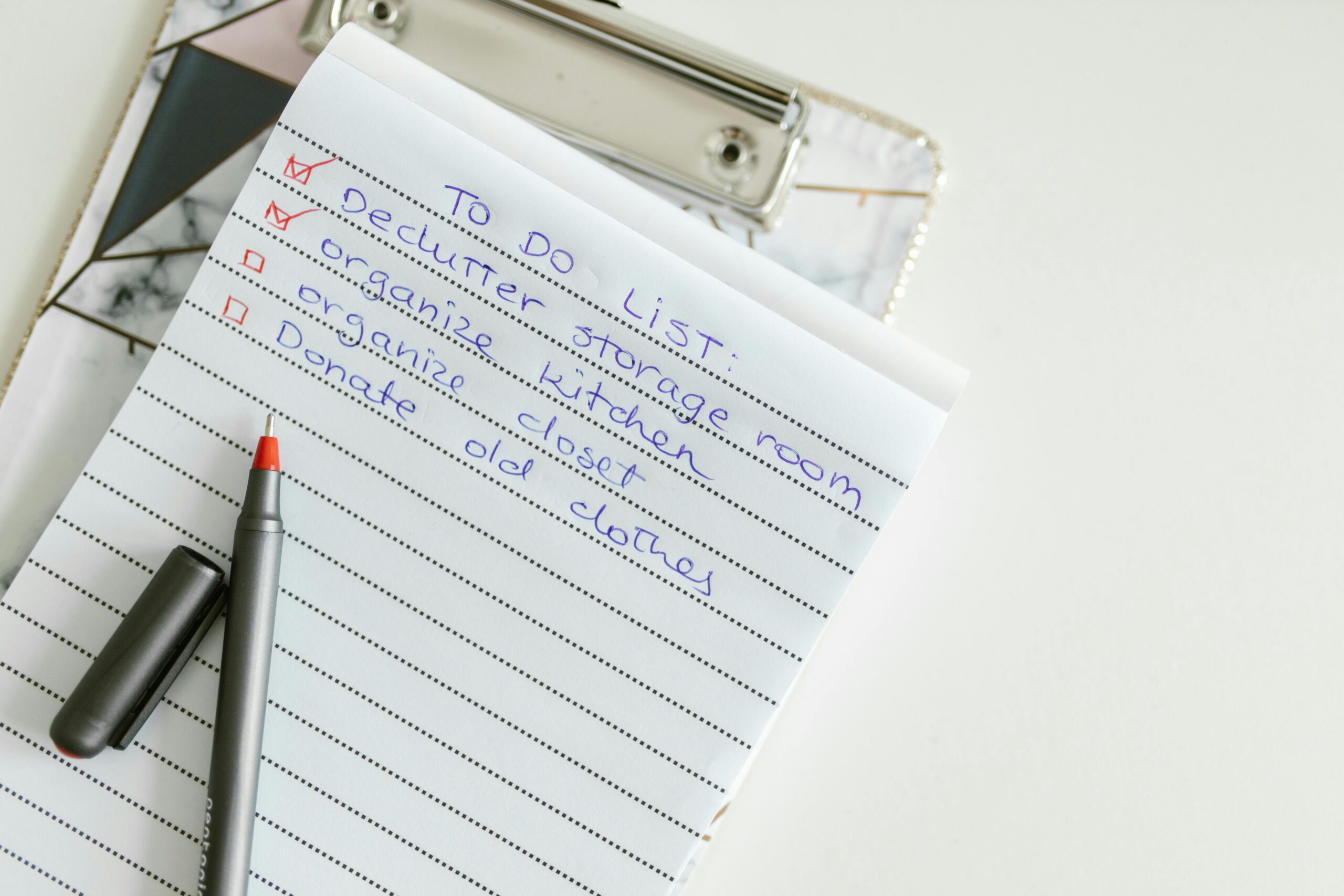
Living in a cluttered home can drain your energy and create unnecessary stress in your daily life. The good news is that transforming your space doesn’t have to be overwhelming when you have a structured approach.

Imagine waking up each morning to clean countertops, organized closets, and spaces that actually serve your needs. This comprehensive room-by-room decluttering guide will walk you through every area of your home, providing actionable steps that make the process manageable and even enjoyable. Whether you’re dealing with years of accumulated items or simply want to create a more peaceful environment, this checklist approach breaks down the daunting task into bite-sized, achievable goals.
🏠 Why Room-by-Room Decluttering Works Better Than Tackling Everything at Once
Many people fail at decluttering because they try to transform their entire home in one weekend. This approach leads to exhaustion, decision fatigue, and often leaves you with half-sorted piles throughout your house. The room-by-room method allows you to see tangible progress, which builds momentum and keeps you motivated throughout the process.
By focusing on one space at a time, you can fully commit to completing that area before moving on. This creates a sense of accomplishment and provides you with at least one clutter-free zone where you can relax while working on other areas. Additionally, this method helps you develop decluttering skills and decision-making patterns that become easier as you progress through your home.
🛏️ Master Bedroom: Creating Your Personal Sanctuary
Your bedroom should be a peaceful retreat, but it often becomes a dumping ground for clothes, books, and miscellaneous items. Start your decluttering journey here because it’s typically a private space where you can work without interruption, and a clean bedroom significantly improves sleep quality and mental wellbeing.
Closet and Wardrobe Essentials
Begin with your closet, as this is usually the biggest source of bedroom clutter. Remove everything from your closet and sort items into categories: keep, donate, sell, and discard. Be honest about what you actually wear versus what you think you might wear someday. If you haven’t worn something in over a year and it’s not seasonal or special occasion wear, it’s time to let it go.
Organize the items you’re keeping by category and color. This makes getting dressed easier and helps you see exactly what you own, preventing duplicate purchases. Consider investing in matching hangers for a more streamlined look, and use shelf dividers to keep folded items neat.
Nightstands and Dressers
Empty each drawer completely and wipe down the interiors before returning items. Your nightstand should only contain items you use regularly before bed or upon waking. Remove expired medications, old receipts, broken charging cables, and anything that doesn’t serve a current purpose.
Dresser drawers benefit from organizers that separate socks, undergarments, and accessories. This prevents the dreaded “junk drawer” effect where items become tangled and impossible to find. Keep only the essentials and donate duplicates or worn-out items.
🧼 Bathroom: Simplifying Your Daily Routine
Bathrooms accumulate an astonishing amount of clutter despite their typically small size. From expired cosmetics to hotel toiletries you’ll never use, these spaces need regular attention to remain functional and hygienic.
Medicine Cabinet and Under-Sink Storage
Check expiration dates on all medications, sunscreens, and first aid supplies. Expired products lose effectiveness and can even become harmful. Dispose of medications properly through pharmacy take-back programs rather than flushing them.
Under the bathroom sink often becomes a black hole of half-empty cleaning products and forgotten items. Remove everything, clean the cabinet thoroughly, and only return items you use regularly. Consider adding a small caddy or organizer to maximize vertical space and keep products contained.
Cosmetics and Personal Care Products
Sort through makeup, skincare, and hair products with a critical eye. Most makeup has a shorter lifespan than you think, and using expired products can cause skin irritation or infections. If you haven’t used a product in six months, you probably won’t start now.
Keep daily essentials on the counter or in easily accessible storage, while occasional-use items can go in cabinets or drawers. This reduces visual clutter and makes your morning routine more efficient.
🍳 Kitchen: The Heart of a Functional Home
The kitchen often presents the biggest decluttering challenge because it contains so many small items, multiple categories of belongings, and frequently used spaces. However, an organized kitchen saves time, reduces food waste, and makes cooking more enjoyable.
Pantry and Food Storage
Start by removing everything from your pantry and checking expiration dates. Dispose of anything expired, stale, or that you realistically won’t use. Group similar items together—all baking supplies, canned goods, snacks, and so forth.
Clear containers make it easy to see what you have and how much remains, preventing overbuying and food waste. Label everything clearly, including expiration dates if you’re transferring items from original packaging. Implement a “first in, first out” system by placing newer items behind older ones.
Cookware, Dishes, and Utensils
Most households use only a fraction of their kitchen tools regularly. Remove duplicate items, broken pieces, and specialty gadgets you haven’t used in over a year. You don’t need five wooden spoons or three can openers.
Keep your most-used items in the most accessible locations. Everyday dishes should be in easy-to-reach cabinets, while special occasion serving pieces can go on higher shelves. Drawer dividers keep utensils organized and prevent the frustrating tangle that makes finding the right tool difficult.
Refrigerator and Freezer Management
Schedule a weekly refrigerator cleanout before grocery shopping. Discard expired items, wilted produce, and mysterious leftovers. Wipe down shelves and organize items by category, keeping newer items behind older ones to ensure everything gets used.
The freezer often becomes a graveyard for forgotten meals and mystery packages. Empty it completely, check dates, and dispose of anything with freezer burn or that’s been frozen for over six months. Use clear containers or bags and label everything with contents and date.
📚 Living Room: Balancing Comfort and Order
Your living room should be a space for relaxation and gathering, not a storage unit for items without a proper home. Focus on creating clear surfaces and purposeful decor that enhances rather than clutters the space.
Entertainment Centers and Media Storage
Digital streaming has made many physical media collections obsolete. Assess your DVDs, CDs, and video games honestly—are you really going to watch or play them again? Consider digitizing favorites and donating the rest.
Cable management systems eliminate the tangled mess behind entertainment centers. Use clips, sleeves, or boxes to contain cords and create a cleaner appearance. Remove unused electronics, old remotes, and obsolete cables that serve no purpose.
Coffee Tables and Side Tables
These surfaces shouldn’t become landing zones for mail, keys, and random items. Designate a specific spot near your entrance for incoming mail and keys, keeping living room surfaces clear except for intentional decor and currently-used items like books or beverages.
Magazine racks or baskets can contain reading material, but implement a one-in-one-out rule. When a new magazine arrives, recycle an old one. This prevents accumulation while maintaining access to reading material.
🖥️ Home Office: Boosting Productivity Through Organization
A cluttered workspace directly impacts productivity and increases stress. Whether you have a dedicated office or a small desk area, organizing this space improves focus and efficiency.
Paper Management and Filing Systems
Paper clutter is one of the most common organizational challenges. Sort papers into categories: action required, file for reference, and shred/recycle. Handle actionable items immediately when possible, file important documents properly, and eliminate everything else.
Digitize documents whenever possible to reduce physical storage needs. Scan important papers and save them to cloud storage with a clear naming convention. Shred sensitive documents rather than simply recycling them to protect your personal information.
Digital Decluttering
Your computer and phone deserve decluttering attention too. Delete unused applications, organize files into clearly labeled folders, and unsubscribe from emails you never read. A cluttered digital space impacts productivity just like physical clutter.
Regularly clear your downloads folder, delete duplicate photos, and organize important files into a logical system. Back up essential data to prevent loss and free up device storage for better performance.
👕 Kids’ Rooms: Teaching Organization Early
Children’s spaces require special consideration because they constantly outgrow clothes, toys, and books. Involving kids in the decluttering process teaches valuable life skills while ensuring they develop attachment to items they actually use and enjoy.
Toy Rotation and Management
Too many toys paradoxically leads to less creative play. Kids become overwhelmed by choices and don’t engage deeply with any single item. Implement a toy rotation system where you keep some toys accessible and store others, switching them periodically.
Donate toys that are outgrown, broken, or simply ignored. Kids often don’t miss toys they haven’t played with in months. Include children in this process to help them learn decision-making and generosity.
Clothes and Seasonal Items
Children outgrow clothes quickly, making regular purging essential. Each season, remove items that no longer fit before adding new pieces. This prevents drawers from overflowing and makes getting dressed easier.
Store out-of-season clothes and hand-me-downs separately from current wardrobes. Label containers clearly by size and season for easy access when needed.
🧺 Laundry Room and Utility Spaces
These functional spaces work harder when properly organized. Despite being out of sight for guests, keeping them clutter-free makes household tasks more efficient and less frustrating.
Consolidate cleaning supplies and dispose of duplicates or products you don’t use. Group items by purpose—laundry supplies together, general cleaners together, and so forth. Wall-mounted organizers or over-the-door racks maximize storage in small spaces.
Keep only functional items in these spaces. The laundry room shouldn’t store broken appliances waiting for repair or mysterious cords and gadgets. If something has been waiting for attention for more than a month, it’s time to let it go.
🚗 Garage and Storage Areas: Conquering the Final Frontier
Garages and storage spaces often become dumping grounds for items we don’t want to deal with. These areas require honest assessment about what deserves valuable storage space versus what should be donated or discarded.
Empty the entire space if possible, sorting items into clear categories. Create zones for different purposes—sports equipment, seasonal decorations, tools, and so forth. Wall-mounted storage systems maximize floor space and make items easily accessible.
Evaluate storage items themselves. Rusty shelving, broken bins, and cardboard boxes that have deteriorated should be replaced with sturdy, moisture-resistant options that protect your belongings properly.
✨ Maintaining Your Decluttered Spaces Long-Term
The real challenge isn’t the initial declutter—it’s maintaining those results over time. Implement systems that prevent clutter from accumulating again. The one-in-one-out rule works well: when you bring something new home, something old must leave.
Schedule regular mini-decluttering sessions, perhaps 15 minutes each weekend, to address small accumulations before they become overwhelming. This maintenance approach is far easier than periodic massive cleanouts.
Establish homes for everything in your space. When items don’t have designated places, they end up scattered throughout your home. Clear organization systems make it easy to maintain order because putting things away becomes intuitive.
🎯 Decluttering Mindset Shifts That Make All the Difference
Successful decluttering requires examining your relationship with possessions. Many people struggle because they attach emotions to objects rather than recognizing that memories live within us, not in things. Taking photos of sentimental items before releasing them preserves the memory without the physical burden.
Recognize that keeping items “just in case” often means storing things you’ll never actually use. The cost of storing rarely-used items—whether in space, organization time, or mental energy—often exceeds the cost of replacing them in the unlikely event you need them.
Embrace the freedom that comes with owning less. Each possession requires attention, maintenance, and mental energy. Reducing what you own creates space, time, and mental clarity for experiences and relationships that truly enrich your life.

💪 Overcoming Common Decluttering Obstacles
Decision fatigue is real and can derail decluttering efforts. Combat this by limiting decluttering sessions to focused time blocks rather than marathon days. When you find yourself unable to make decisions, take a break and return with fresh perspective.
Dealing with items that belong to others in your household requires communication and respect. You cannot declutter someone else’s belongings without permission, but you can control shared spaces and your own possessions. Lead by example, and often others become inspired to declutter their own areas.
Sentimental items present unique challenges. Create a specific container for truly meaningful keepsakes—when it’s full, you must evaluate what really matters most. This limits sentimental clutter while honoring items with genuine emotional significance.
Starting your decluttering journey might feel overwhelming, but taking it room by room makes the process manageable and sustainable. The transformation extends beyond physical space, creating mental clarity, reduced stress, and a home that truly supports your life rather than complicating it. Begin with just one area today, and watch as the positive changes ripple throughout your entire home and wellbeing. Your future self will thank you for the peaceful, organized spaces you create through consistent, thoughtful decluttering.