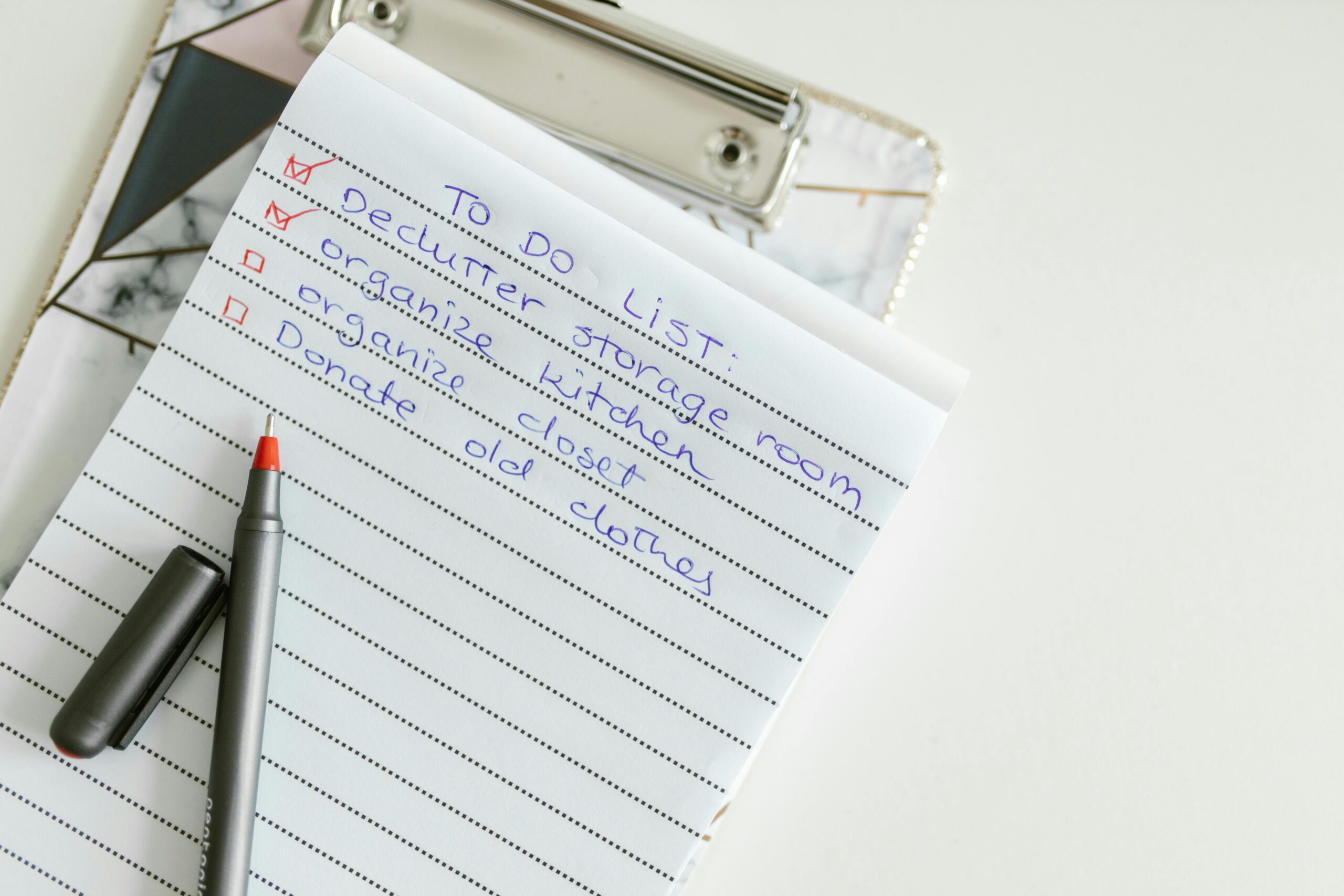
Life gets busy, and clutter accumulates faster than we can manage it. The good news? You don’t need an entire weekend to reclaim your space and restore order to your home.

Quick decluttering sessions can be surprisingly effective when you have the right strategy. With just 30 minutes and a focused approach, you can transform any room from chaotic to calm, creating an environment that supports your wellbeing and productivity. These time-efficient methods work perfectly for those hectic days when you need visible results without a major time commitment.
Why 30-Minute Declutter Sessions Actually Work 🎯
The psychology behind short decluttering bursts is powerful. When you commit to just 30 minutes, you eliminate the overwhelming feeling that often prevents people from starting. This manageable timeframe makes the task feel achievable rather than daunting, increasing the likelihood you’ll actually begin.
Short sessions also maintain your energy and decision-making capacity. Research shows that decluttering fatigue sets in after prolonged sorting sessions, leading to poor choices about what to keep or discard. By limiting yourself to 30 minutes, you stay sharp and make better decisions throughout the entire process.
Another advantage is the momentum effect. Once you see visible progress in just half an hour, you’re more motivated to maintain that space or tackle another area later. Small wins create positive reinforcement that builds lasting decluttering habits over time.
Essential Preparation: Setting Yourself Up for Success
Before diving into your 30-minute session, gather a few basic supplies. You’ll need three bags or boxes labeled “Keep,” “Donate,” and “Trash.” Having these ready eliminates decision delays during your decluttering sprint.
Set a timer on your phone for exactly 30 minutes. This creates urgency and helps you stay focused without getting distracted by perfectionism. The time constraint actually improves efficiency by forcing quick, intuitive decisions rather than endless deliberation.
Choose your target area strategically. For maximum visual impact in minimal time, focus on high-traffic zones that everyone sees daily. Entryways, kitchen counters, and living room surfaces offer the biggest bang for your decluttering buck.
The Right Mindset Makes All the Difference
Approach your session with a “progress over perfection” mentality. You’re not aiming to create a magazine-worthy space in 30 minutes—you’re simply making it significantly better than it was. This mindset prevents the paralysis that comes from unrealistic expectations.
Remember that decluttering is about removing what doesn’t serve you, not achieving minimalism. Keep items that genuinely add value to your life, even if they don’t fit someone else’s aesthetic. Your space should reflect your needs and lifestyle, not Instagram trends.
The Entryway Blitz: First Impressions Matter ✨
Your entryway sets the tone for your entire home. Start by removing everything that doesn’t belong in this transitional space. Shoes scattered about, random shopping bags, and mail piles are common culprits that create immediate visual chaos.
Create designated spots for everyday essentials. Keys, wallets, and sunglasses need consistent homes near the door. Use small bowls, hooks, or a simple tray to corral these frequently used items so they’re always findable when you’re rushing out.
Address the shoe situation decisively. Keep only the pairs you wear regularly by the door—typically two to three per person. Everything else should migrate to bedroom closets. Consider a simple shoe rack or bench with storage to maintain this new order.
Tackle mail immediately. Sort through the pile ruthlessly: recycle junk mail, file important documents, and create a small inbox for items requiring action. Never let mail sit unopened for more than a day to prevent future accumulation.
Kitchen Counter Rescue: Reclaiming Your Cooking Space 🍳
Kitchen counters attract clutter like magnets, yet they’re essential work surfaces. Begin by removing everything from the counters—yes, everything. This blank slate approach helps you reassess what truly deserves valuable counter real estate.
Return only appliances you use at least weekly. Coffee makers and toasters typically qualify, but that bread maker you used once last year doesn’t. Store occasional-use appliances in cabinets or pantries where they’re accessible but not taking up prime space.
Create a paper command center in one designated spot. Corral recipes, school permission slips, and appointment cards in a single folder or small filing system. This prevents paper from spreading across your entire kitchen like wildfire.
Implement the “clean as you go” mindset by putting items away immediately after use. Wipe down counters once before your 30-minute session ends, creating a fresh baseline that’s easier to maintain moving forward.
The Refrigerator Front Quick Fix
While you’re in the kitchen, spend five minutes decluttering your refrigerator door. Remove expired coupons, outdated schedules, and artwork that’s been up for months. Keep only current, relevant items visible to reduce visual noise in this high-traffic area.
Living Room Revival: Creating a Calm Gathering Space
Start with surfaces—coffee tables, end tables, and entertainment centers. Remove items that have migrated from other rooms and return them to their proper homes. This single action often clears 50% of living room clutter immediately.
Gather remote controls, chargers, and electronics into designated containers. A simple basket or decorative box on your coffee table keeps these necessary items accessible without creating visual chaos.
Fluff and arrange pillows and throws intentionally. Fold or drape blankets neatly rather than leaving them crumpled. These small touches create an immediate sense of order that takes mere seconds but makes a significant visual difference.
Address “flat surface syndrome” by implementing the one-third rule: leave at least one-third of every surface completely empty. This breathing room makes spaces feel intentionally styled rather than accidentally cluttered.
Bedroom Basics: Your Personal Sanctuary Matters 😴
Begin with your nightstand, which often becomes a catch-all for random items. Keep only true essentials: a lamp, perhaps one book you’re currently reading, and whatever helps you sleep better. Everything else detracts from the restful atmosphere bedrooms should provide.
Make your bed—this single action transforms your bedroom more than any other. It takes less than three minutes but creates an anchor of order that influences how you perceive the entire room.
Clear clothing chaos by implementing a quick sort. Dirty clothes go directly into the hamper, clean clothes get hung or folded immediately, and items you’re unsure about get a sniff test to determine their fate.
Tackle the dreaded “chair of clothes” by removing everything and putting it away properly. If you consistently dump clothes on a chair, that’s feedback about your storage system—not your character. Make it easier to put clothes away than to pile them up.
The Five-Minute Drawer Rescue
If you have extra time, tackle your junk drawer. Empty it completely, wipe it clean, and return only items you’ve used in the past month. Add small organizers or repurposed containers to create zones for different item categories, making everything easier to find.
Bathroom Brilliance: Small Space, Big Impact 🚿
Bathrooms accumulate products at an alarming rate. Start under the sink: discard expired medications, dried-up nail polish, and mystery products you’ll never use. Check expiration dates on sunscreen, makeup, and over-the-counter medicines ruthlessly.
Consolidate multiples. You don’t need four half-empty bottles of the same lotion. Combine similar products into one container and recycle the empties. This simple step can reduce bathroom clutter by up to 40%.
Clear counter surfaces by storing daily-use items in drawers or a simple caddy. Leaving just hand soap and perhaps one decorative element creates a spa-like feeling that’s surprisingly achievable in 30 minutes.
Address towel chaos by implementing a one-towel-out rule. Keep the towel you’re currently using on its hook, but store all others in the linen closet. This prevents the perpetual towel pile problem many bathrooms face.
The Paper Trail Solution: Taming Document Disaster 📄
Paper clutter overwhelms many homes. Dedicate your 30-minute session to creating a simple filing system with just four categories: Action Required, To File, To Shred, and Recycle. Sort everything into these groups without overthinking.
Deal with the Action Required pile immediately. Pay bills, respond to invitations, or schedule appointments right then. Most action items take less time to complete than they do to think about repeatedly.
Create a mail routine to prevent future accumulation. Designate one spot where mail lands when it enters your home, and commit to sorting it daily. This five-minute habit prevents the paper avalanche that requires 30-minute rescue sessions.
Go digital where possible. Photograph documents you need for reference but don’t require in physical form. Many apps can help you scan and organize important papers, reducing physical storage needs significantly.
Kid Zones: Quick Toy and Supply Sorting 🧸
Start with a quick toy rotation. Box up half the toys currently out and store them elsewhere. Kids play better with fewer options, and you’ll have fresh “new” toys to rotate in later without spending money.
Implement the “one bin per category” rule. All blocks go in one container, all action figures in another, all art supplies in a third. This system is simple enough for kids to maintain independently, teaching them organizational skills.
Create a donation box in kids’ spaces. When they outgrow toys or lose interest, items go directly into this box. Once it’s full, make a donation trip, teaching children about giving while managing clutter simultaneously.
Set up a daily 10-minute reset routine before bed. Make it fun by setting a timer and challenging kids to beat the clock. This habit prevents toy chaos from accumulating to overwhelming levels.
Maintenance Mode: Keeping Your Newly Decluttered Space Clear
The secret to maintaining decluttered spaces is the “one in, one out” rule. When something new enters your home, something similar must leave. This prevents the gradual accumulation that requires future decluttering sessions.
Implement the two-minute rule: if something takes less than two minutes to put away, do it immediately. This simple habit prevents the small-item buildup that creates visual clutter faster than anything else.
Schedule weekly 30-minute maintenance sessions. Pick a consistent day and time to do a quick declutter sweep of your entire home. This prevents any single area from becoming overwhelming again.
Create systems that match your actual behavior. If you always drop your bag in a specific spot, put a hook or basket there instead of fighting your natural patterns. Work with your habits, not against them.
The Evening Reset Ritual
Spend 10 minutes each evening doing a quick home reset. Walk through main areas returning items to their homes, wiping surfaces, and preparing for tomorrow. This nightly habit compounds into consistently organized spaces with minimal effort.
Troubleshooting Common Quick Declutter Challenges 💪
When sentimental items slow you down, take photos instead of keeping everything. Digital memories preserve the connection without consuming physical space. You can revisit these photos anytime without storing boxes of items you never look at.
If decision fatigue hits mid-session, create a “maybe” box for items you’re unsure about. Store it away for 30 days—if you don’t retrieve anything during that time, donate the entire box without reopening it.
When family members resist decluttering, start with your personal spaces only. Your positive results often inspire others naturally without nagging. Lead by example rather than trying to force organizational values on others.
For papers you’re afraid to discard, photograph or scan them. This provides a backup while allowing you to recycle the physical copies, reducing storage needs while maintaining peace of mind.
Maximizing Your Results: Strategic Timing and Focus
Schedule decluttering sessions when your energy is highest. For most people, this is morning or early afternoon. Avoid late evening sessions when decision fatigue makes it harder to be decisive about what stays or goes.
Focus on one small area per session rather than bouncing between rooms. Complete transformation of a single space feels more rewarding than partial progress in multiple areas, maintaining your motivation for future sessions.
Use upbeat music or a favorite podcast to make the time more enjoyable. The mental engagement makes 30 minutes fly by while keeping your hands busy with decluttering tasks.
Involve others when appropriate, but only if they speed up rather than slow down the process. Some people work better alone, while others benefit from the accountability and energy of a decluttering partner.

Your Personalized 30-Minute Action Plan
The beauty of 30-minute declutter sessions is their flexibility. You can tackle different areas based on your immediate needs, creating visible progress exactly where you need it most. The key is consistency—regular short sessions beat marathon decluttering weekends every time.
Start today by choosing just one area from this guide. Set your timer for 30 minutes, gather your three bags or boxes, and transform your space. You’ll be amazed at what focused effort can accomplish in such a short timeframe.
Remember that decluttering is a skill that improves with practice. Your first 30-minute session might feel chaotic, but by your fifth or tenth, you’ll move through spaces with confidence and efficiency. Each session builds your decision-making muscles, making future efforts even more effective.
The transformation you can achieve in just half an hour isn’t just about physical space—it’s about reclaiming mental clarity and creating an environment that supports rather than stresses you. Your home should be your sanctuary, and these quick declutter strategies make that vision achievable even on your busiest days.