Creating a peaceful, organized kids’ room can feel like an impossible dream for many parents. The constant influx of toys, clothes, and crafts often transforms these spaces into chaotic zones that stress everyone out.

But here’s the good news: decluttering your child’s room doesn’t have to be overwhelming. With the right age-appropriate strategies and a systematic approach, you can transform that messy space into a calm, functional environment that supports your child’s development and makes daily routines smoother. This comprehensive checklist will guide you through the process, offering practical tips tailored to different age groups so you can create a room that stays tidy longer and reduces household stress.
🧸 Why Age-Appropriate Decluttering Matters
One-size-fits-all approaches rarely work when it comes to organizing kids’ spaces. A toddler’s needs differ dramatically from a teenager’s requirements, and understanding these distinctions makes all the difference in creating sustainable organization systems.
Young children need accessible storage at their eye level and simplified sorting systems, while older kids benefit from more sophisticated organizational tools and increased responsibility for maintaining their spaces. Recognizing these developmental differences ensures your decluttering efforts actually stick rather than crumbling within days.
Age-appropriate organization also teaches valuable life skills. When children participate in decluttering at their capability level, they develop decision-making abilities, spatial awareness, and responsibility for their belongings—skills that serve them throughout life.
📋 Pre-Declutter Preparation: Setting Yourself Up for Success
Before diving into sorting through mountains of stuff, proper preparation makes the entire process smoother and more effective. Start by scheduling dedicated time when you won’t be interrupted—decluttering with kids requires patience and focus.
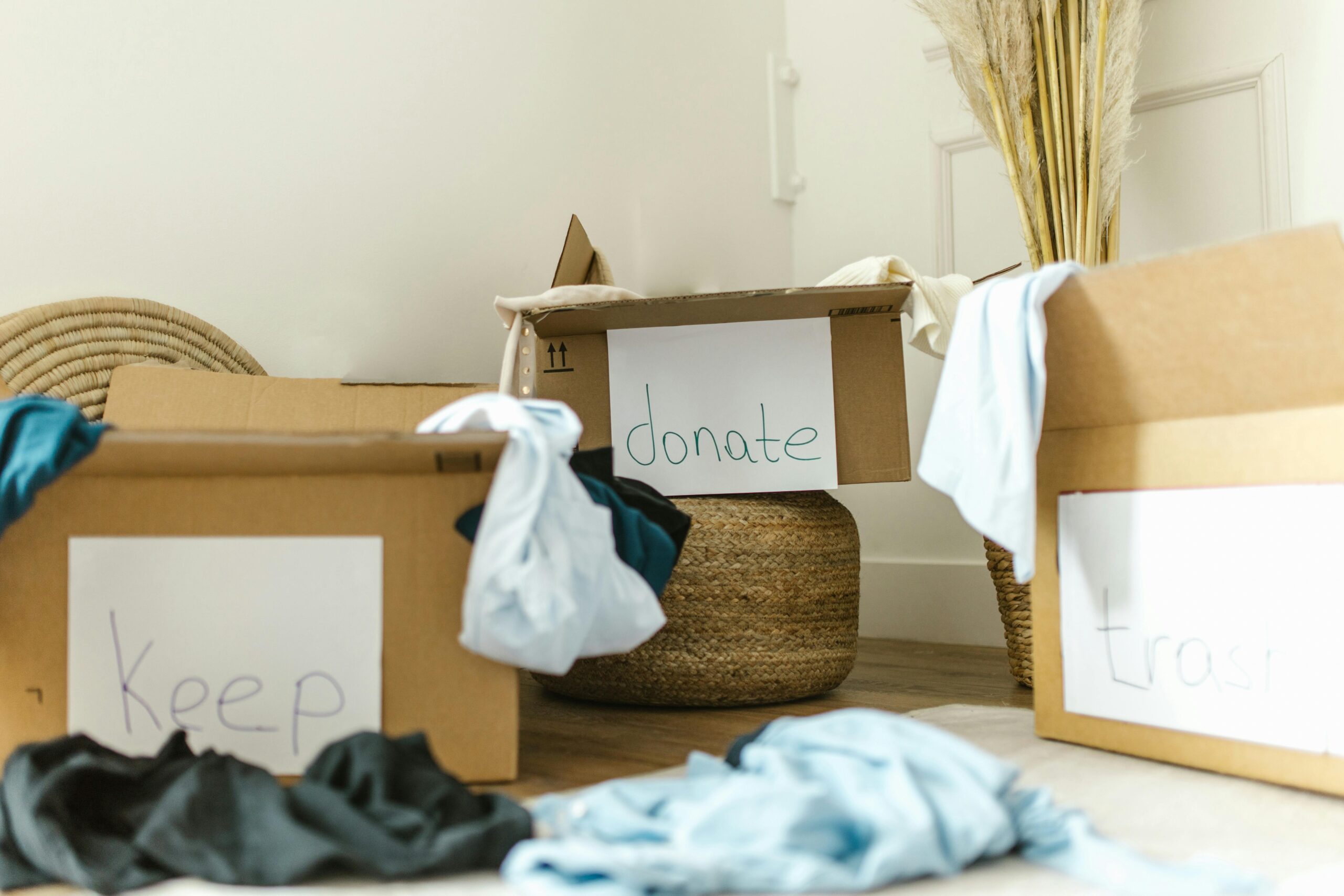
Gather your supplies beforehand: boxes or bags labeled “Keep,” “Donate,” “Trash,” and “Relocate” streamline decision-making. Having cleaning supplies handy means you can wipe down surfaces and shelves as you empty them, making the room feel fresh immediately.
Take “before” photos of the space. These serve dual purposes—they motivate you by showing progress and help you remember what organizational challenges you’re solving. Plus, kids often enjoy seeing the dramatic transformation.
Setting Realistic Expectations
Rome wasn’t built in a day, and your child’s room won’t be perfectly organized in one afternoon either. Breaking the project into manageable chunks prevents burnout and makes the task less daunting for everyone involved.
Consider tackling one category per session: clothes one day, toys another, books the next. This focused approach yields visible results quickly, which motivates continued effort.
👶 Decluttering for Babies and Toddlers (Ages 0-3)
The youngest age group requires parents to handle most decluttering decisions, but creating the right systems now establishes good habits for years to come.
Clothing Management
Babies outgrow clothes at lightning speed, making clothing one of the biggest clutter culprits. Remove anything that doesn’t currently fit—keeping “maybe” sizes just creates visual clutter and makes getting dressed more complicated.
Organize remaining clothes by type and accessibility. Keep current-size everyday outfits at easy reach, storing special occasion clothing separately. This reduces morning stress and helps caregivers quickly find what they need.
Toy Rotation Systems
Toddlers don’t need constant access to every toy they own. In fact, too many choices often lead to overwhelm rather than engagement. Implement a toy rotation system where only 25-30% of toys are accessible at once, storing the rest out of sight.
Rotate toys every few weeks to maintain novelty and interest. You’ll be amazed how “old” toys suddenly become exciting again after a brief absence. This approach also makes cleanup dramatically easier with fewer items to manage daily.
Safety-First Storage Solutions
For this age group, safety trumps everything. Ensure heavy items are stored low to prevent tipping hazards, and avoid small parts that present choking risks. Soft-close drawers and secured furniture protect curious explorers while they learn to navigate their space.
🎨 Organizing for Preschoolers (Ages 3-5)
Preschoolers are developing independence and can actively participate in organizing their spaces—a crucial developmental milestone that builds confidence and responsibility.
Creating Visual Organization Systems
At this age, children respond beautifully to visual cues. Use picture labels on bins and drawers so kids can identify where items belong without reading. Color-coding different categories (blue for blocks, red for cars, green for art supplies) makes cleanup feel like a matching game.
Low, open shelving gives preschoolers autonomous access to their belongings while keeping everything visible. When kids can see their options without digging through bins, they make choices more easily and are more likely to return items to their proper spots.
Teaching Basic Decluttering Concepts
Introduce simple decision-making frameworks: “Do you play with this?” and “Does this make you happy?” are questions preschoolers can understand and answer. Make it concrete by having them physically hold items and notice their reactions.
Turn decluttering into a game. Challenge your preschooler to find five toys they’ve outgrown, or race to see how quickly you can fill a donation bag together. Positive associations with organizing now create lifelong habits.
Art Supply Management 🖍️
Preschoolers are prolific creators, which means art supplies and finished projects can quickly overtake a room. Designate a specific art station with limited, age-appropriate supplies rather than overwhelming bins of materials.
For finished artwork, create a simple system: display current favorites, photograph others for a digital portfolio, and recycle the rest. Keeping every crayon scribble isn’t realistic or necessary to honor your child’s creativity.
📚 Streamlining Spaces for Early Elementary (Ages 6-8)
Early elementary children are developing reading skills, more complex play patterns, and increased academic responsibilities—all of which impact their organizational needs.
Creating Functional Homework Zones
School-age children need dedicated study spaces separate from play areas. Even in small rooms, defining zones helps kids mentally transition between activities. A simple desk with organized school supplies, good lighting, and minimal distractions supports homework success.
Declutter school papers weekly. Establish a routine where your child empties their backpack every Friday, keeping only essential papers and recycling the rest. A small file box for important documents prevents paper pile-ups.
Activity-Based Organization
As interests develop, organize belongings by activity rather than just type. Create a “Lego station,” “reading nook,” or “science corner” that contains everything needed for that pursuit. This makes independent play easier and cleanup more intuitive.
Regularly assess whether current interests have shifted. That extensive dinosaur collection might be ready for donation if space exploration has captured your child’s imagination instead. Following their evolving interests keeps the room relevant and exciting.
Introducing Organizational Responsibility
Six to eight-year-olds can handle increased organizational responsibilities with proper systems in place. Weekly room resets where they return misplaced items, straighten shelves, and assess what’s working teaches maintenance rather than just one-time decluttering.
Create simple checklists your child can follow independently. Morning and evening routines that include tidying actions (make bed, put dirty clothes in hamper, return toys to shelves) build habits through repetition.
🎮 Organizing for Tweens (Ages 9-12)
Tweens are transitioning toward teenage independence while still needing parental guidance. Their organizational systems should reflect this growing autonomy while remaining supportive.
Wardrobe Decluttering and Personal Style
At this age, children develop stronger opinions about clothing and personal style. Involve them fully in wardrobe decisions, teaching practical criteria: Does it fit? Is it in good condition? Do you actually wear it?
Implement seasonal wardrobe rotations where off-season clothes are stored separately, keeping closets manageable. This is also an excellent time to teach basic clothing care—folding, hanging, and treating items respectfully.
Technology and Media Management 📱
Tweens often accumulate digital devices, gaming equipment, and media collections. Create centralized charging stations that prevent cord chaos and establish clear boundaries about where devices belong.
Digital decluttering matters too. Help your tween organize digital files, delete unused apps, and manage online storage. These skills translate directly to future academic and professional success.
Hobby and Collection Management
Tweens frequently develop passionate hobbies that come with substantial equipment or collections. Rather than letting these overtake the entire room, establish boundaries: designated shelves for collections, specific containers for supplies, and regular assessments of what’s actively used versus just stored.
Teach the “one in, one out” principle for collections. When something new arrives, something old gets donated or sold. This maintains equilibrium and teaches mindful consumption.
🎓 Teenage Room Organization (Ages 13+)
Teenagers need spaces that support their complex lives: academics, social relationships, personal interests, and emerging independence. Their rooms should function as multifaceted environments rather than just bedrooms.
Collaborative Decluttering Approach
Forcing organizational systems on teenagers typically backfires. Instead, collaborate on creating solutions that match their lifestyle and preferences. Ask what frustrates them about their current space and work together to solve those specific problems.
Respect their privacy while offering support. Teenagers may resist parental involvement, but they often appreciate help with overwhelming tasks when approached respectfully and without judgment.
Academic Organization Systems
High schoolers juggle multiple classes, extracurricular activities, and increasing academic pressure. Comprehensive organization systems are essential for managing this complexity effectively.
Designate clear zones for different academic subjects, keeping related materials together. File systems for completed work, current projects, and reference materials prevent important papers from disappearing into the void.
Wardrobe Maturity and Clothing Maintenance
Teenagers often care deeply about appearance but may lack the organizational skills to maintain functional wardrobes. Teach practical wardrobe management: seasonal assessments, donation criteria, and basic maintenance skills like treating stains and making minor repairs.
Encourage quality over quantity. Helping teens understand that fewer, better-quality pieces they actually wear beats closets stuffed with fast fashion they never touch teaches valuable consumer skills.
💡 Universal Decluttering Principles That Work at Every Age
The Four-Box Method
Regardless of age, the four-box sorting system simplifies decision-making: Keep, Donate/Sell, Trash, and Relocate. Every item in the room gets assigned to one category, eliminating the “maybe” pile that sabotages decluttering efforts.
Be ruthless about the trash category. Broken toys, single puzzle pieces, dried-up markers, and stained clothing serve no purpose except creating visual clutter and making it harder to find functional items.
Regular Maintenance Prevents Overwhelm
The most successful organizational systems include regular maintenance rather than marathon decluttering sessions twice yearly. Weekly 15-minute room resets maintain order far more effectively than occasional massive overhauls.
Schedule quarterly deeper decluttering sessions that coincide with natural transitions: season changes, birthdays, or the start and end of school years. These regular touchpoints prevent clutter from accumulating to overwhelming levels.
Storage Solutions That Actually Work
The right storage makes all the difference between systems that work long-term and those that fail within weeks. Clear containers let kids see contents without dumping everything out. Labels (picture or text, depending on age) make returning items intuitive rather than confusing.
Avoid over-complicated systems. If putting something away requires more than two steps, it won’t happen consistently. The simplest solution that works is always better than the perfect system that’s too complicated to maintain.
🎯 Maintaining Your Newly Organized Space
The real challenge isn’t the initial declutter—it’s maintaining that organization over time. Building sustainable habits requires consistent reinforcement and age-appropriate expectations.
Creating Daily Tidying Routines
Ten-minute daily tidy sessions prevent small messes from becoming overwhelming disasters. Set a timer, play favorite music, and make it a family activity rather than a chore. When everyone tidies together, it feels less punitive and more like teamwork.
Bedtime cleanup routines help children wind down while ensuring they wake to organized spaces. Putting toys away, laying out tomorrow’s clothes, and straightening surfaces become calming rituals rather than stressful battles.
Addressing Clutter Creep
Even the best systems face clutter creep—that gradual accumulation of new items that eventually overwhelms your organization. Combat this by establishing family rules about bringing new items into the house.
Before birthdays and holidays, pre-emptively declutter to make room for incoming gifts. This prevents the overwhelming post-celebration scramble to find space for new treasures.
Teaching Kids to Self-Monitor
The ultimate goal is raising children who can organize themselves without constant parental nagging. Gradually transfer organizational responsibility as children mature, celebrating successes and problem-solving setbacks together.
Ask reflective questions rather than issuing orders: “How’s your current system working?” “What makes it hard to keep your room tidy?” “What would make cleanup easier?” This develops critical thinking about organization rather than blind obedience.
🌟 The Life-Changing Benefits of an Organized Kids’ Room
The payoffs of maintaining organized, decluttered kids’ spaces extend far beyond aesthetics. Children with organized rooms demonstrate improved focus, better sleep quality, and reduced anxiety levels.
Organized spaces teach valuable executive function skills: planning, prioritizing, and follow-through. These capabilities support academic success and future professional effectiveness in ways that transcend childhood.
For parents, organized kids’ rooms mean less daily stress, fewer arguments about lost items, and more quality time together instead of constant nagging about cleaning up. The peace of mind that comes from functional systems is genuinely life-changing.
Remember that perfection isn’t the goal—functionality is. An organized room that actually works for your family’s real life beats a magazine-perfect space that requires constant maintenance and creates stress. Find the balance that supports everyone’s wellbeing while teaching valuable lifelong skills.
Start today with one small area—a single drawer, shelf, or toy category. Small wins build momentum, and before you know it, you’ll have transformed that chaotic kids’ room into a peaceful, functional space where everyone thrives. The journey toward organization is exactly that: a journey with ups and downs, but one that’s absolutely worth taking for your child’s development and your family’s harmony.