Letting go of sentimental items feels like losing pieces of your heart. Yet, holding onto every memory-laden object can turn your home into an emotional storage unit that weighs you down rather than lifts you up.

The truth is, memories live within you—not in the objects themselves. Learning to declutter sentimental items while honoring their significance is one of the most liberating acts of self-care you can practice. This gentle guide will walk you through the process of clearing physical clutter while preserving the emotional connections that truly matter.
Understanding Why Sentimental Clutter Accumulates 💭
Before diving into the decluttering process, it’s essential to understand why we accumulate sentimental items in the first place. Our possessions often serve as tangible connections to people we’ve loved, experiences we’ve cherished, and versions of ourselves we’ve been.
We fear that releasing these objects means losing the memories attached to them. Society reinforces this belief, suggesting that keeping grandma’s china or your childhood artwork demonstrates love and respect. However, this mindset can lead to homes filled with items that no longer serve us, creating stress rather than joy.
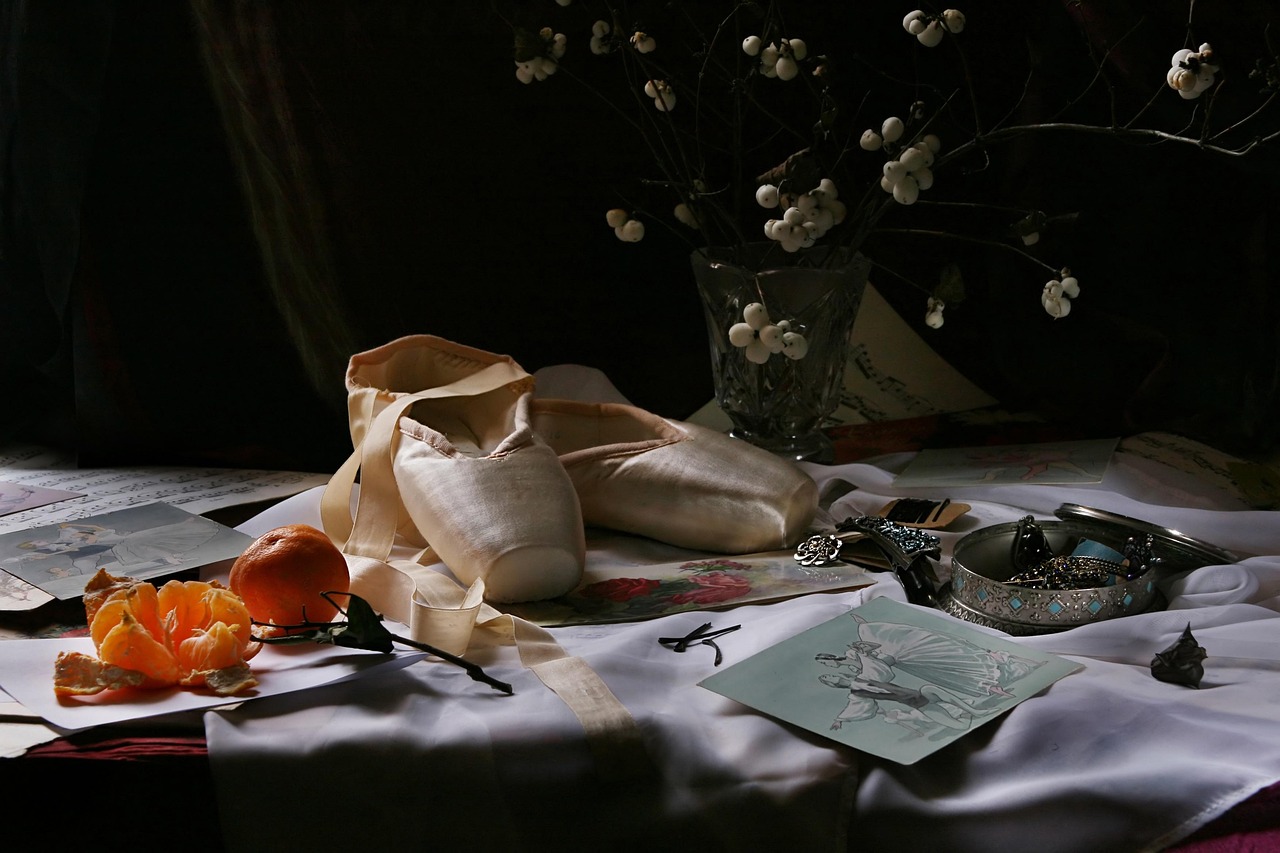
Sentimental clutter differs from regular clutter because it carries emotional weight. That ticket stub from your first concert, your child’s baby clothes, or your late father’s watch—each item tells a story. The challenge lies in determining which stories deserve physical space in your current life and which can be honored in other ways.
The Emotional Cost of Keeping Everything 😔
While we focus on preserving memories, we rarely consider the emotional toll of excessive sentimental clutter. Living surrounded by constant reminders of the past can prevent you from being present in your current life.
Physical clutter creates mental clutter. Studies show that excessive possessions increase cortisol levels and contribute to feelings of overwhelm and anxiety. When every surface, drawer, and closet overflows with memory-laden items, your home stops being a sanctuary and becomes a source of stress.
Additionally, keeping everything diminishes the special status of truly meaningful items. When your grandmother’s wedding ring sits in a box alongside every birthday card you’ve ever received, nothing stands out as particularly significant. Curating your sentimental items actually honors them more than burying them in excess.
Shifting Your Mindset: Memories Versus Objects 🧠
The most important step in decluttering sentimental items is recognizing that objects and memories are not synonymous. Your memories exist in your mind and heart—the physical item is simply a trigger or reminder.
Consider this: if you haven’t looked at those boxes of childhood memorabilia in ten years, are they really preserving memories, or are they just taking up space? The memories that matter most remain with you regardless of whether you keep the physical object.
This mindset shift doesn’t mean being heartless or disrespectful. Instead, it’s about being intentional with what you keep and why. Ask yourself whether keeping an item adds genuine value to your life or whether you’re keeping it out of guilt, obligation, or fear.
Creating Your Decluttering Framework 📋
Successful sentimental decluttering requires a thoughtful approach rather than impulsive purging. Start by establishing personal criteria for what makes an item worth keeping.
Consider these guiding questions:
- Does this item bring me joy when I see or use it?
- Does it represent a memory I genuinely want to revisit regularly?
- Would I regret releasing this item in five years?
- Am I keeping this for myself or out of obligation to others?
- Does this item align with who I am now, not just who I was?
These questions help you move beyond emotional knee-jerk reactions and make thoughtful decisions. Remember, there’s no universal right answer—what matters is what feels right for your life and values.
The One-Box Method: Start Small, Stay Gentle 📦
Attempting to declutter all your sentimental items at once is a recipe for emotional exhaustion and decision fatigue. Instead, use the one-box method to make steady progress without overwhelming yourself.
Choose one category of sentimental items—perhaps old letters, children’s artwork, or inherited items. Gather everything from that category into one place. This allows you to see the volume of what you’ve been storing and makes it easier to identify duplicates or items that no longer resonate.
Sort through this single category completely before moving to the next. This focused approach prevents the common scenario of having half-sorted piles throughout your home, which creates more chaos than you started with.
Digital Preservation: Modern Solutions for Old Memories 📱
Technology offers powerful tools for preserving memories without maintaining physical clutter. Digitizing sentimental items allows you to keep the memory accessible while freeing up physical space.
Photograph or scan documents, letters, cards, children’s artwork, and other paper-based items. Modern smartphone cameras are sufficiently high-quality for most memorabilia. For particularly important documents or photographs, consider using a professional scanning service.
Create organized digital folders by category, person, or time period. Back up these files in multiple locations—cloud storage, external hard drives, and shared family drives ensure your digital memories remain safe. Some people find creating photo books or digital slideshows helps them revisit these memories more than having boxes stored in the attic.
Google Photos is an excellent tool for organizing and storing your digitized memories with automatic backup features and intelligent search capabilities that make rediscovering old memories effortless.
Strategies for Specific Sentimental Categories 🎯
Children’s Artwork and School Projects
Parents often struggle with this category because every creation represents a moment in their child’s development. Instead of keeping everything, create a curated collection that genuinely represents each year or stage.
Select 5-10 pieces per year that showcase your child’s personality, growth, or particularly meaningful moments. Photograph the rest before recycling. Consider creating annual art books or displaying rotating pieces in frames to celebrate their creativity without overwhelming your home.
Inherited Items and Family Heirlooms
Inherited items carry additional guilt because releasing them can feel like disrespecting the person who left them or the family member who gave them to you. Remember that honoring someone’s memory doesn’t require keeping every single item they owned.
Keep items you genuinely love, use, or display. For items with historical significance but no personal connection, consider offering them to other family members, donating to museums or historical societies, or selling them to collectors who will appreciate them.
Gifts You’ve Received
Many people struggle to release gifts, even when they don’t like or use them, because they confuse the physical object with the love or thought behind it. The gift-giver’s intention was to bring you happiness—if keeping an unused item creates guilt instead, you’re not honoring their intention.
Thank the giver in your mind or with a photograph, then release the item to someone who will use and appreciate it. The love someone showed you exists in the gesture, not the object.
Clothing with Memories Attached
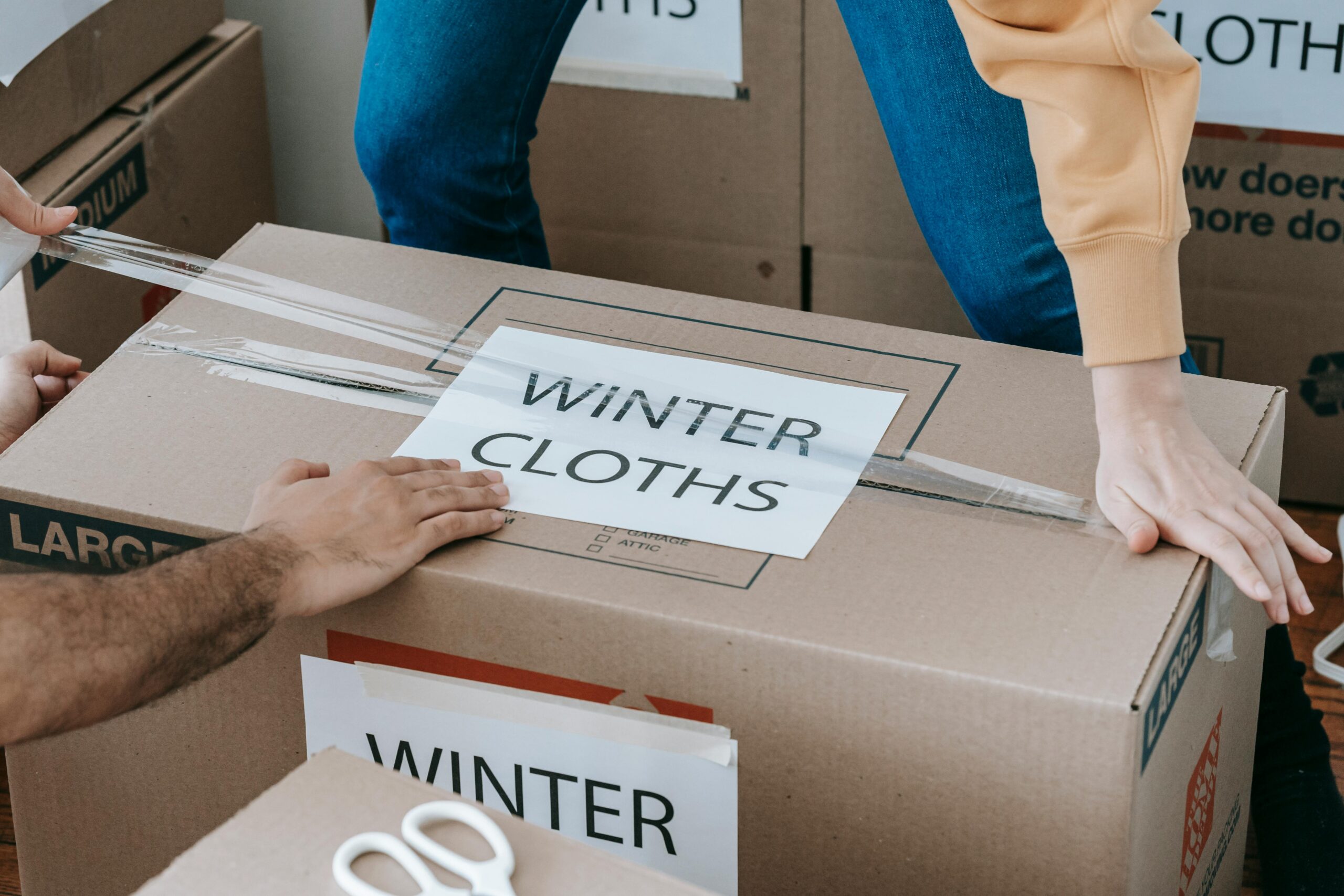
Wedding dresses, baby clothes, uniforms, and other clothing items often carry deep emotional significance. If you’re keeping these items in boxes without ever seeing them, consider alternatives.
Transform meaningful clothing into memory quilts, throw pillows, or framed art. Photograph yourself or loved ones wearing significant items one last time before passing them along. Keep one or two truly special pieces displayed or stored properly, rather than boxes of items deteriorating in storage.
The Physical Process: Making It Manageable ✨
Set yourself up for success by creating the right environment for sentimental decluttering. Choose a time when you’re emotionally grounded and have several uninterrupted hours available.
Create three sorting areas: Keep, Release, and Decide Later. The “Decide Later” category is essential for sentimental decluttering because some decisions require time and reflection. Box up your “Decide Later” items with a date six months in the future—if you haven’t thought about or needed them in that time, you likely don’t need to keep them.
Work with a supportive friend or family member who understands your goals. They can provide perspective when emotions run high and help you stay focused on your vision for a clutter-free, memory-rich life.
Honoring Memories Without Physical Objects 🕊️
Releasing physical items doesn’t mean forgetting the memories they represent. There are countless ways to honor important memories and people without maintaining cluttered spaces.
Write stories or letters about significant memories and save them digitally or in a dedicated memory journal. Create charitable donations in honor of loved ones. Plant memorial gardens or trees. Commission artwork that represents important relationships or experiences.
Share stories and memories with others—this keeps them alive far more effectively than storing boxes in your basement. Host memory-sharing gatherings where family members exchange stories and select meaningful items to keep while releasing the rest.
Setting Limits: The Container Method 📏
One practical approach to sentimental clutter is the container method: dedicate a specific, limited space for sentimental items, and keep only what fits within that space.
This might be one decorative box, a single shelf, or a small closet—whatever makes sense for your living situation. When the container is full, something must be released before adding something new. This creates a natural system for evaluating what truly deserves precious space.
This method works because it forces ongoing curation rather than indefinite accumulation. It also ensures your sentimental items remain accessible and visible rather than buried in storage where they provide no joy or value.
Dealing with Guilt and Emotional Resistance 💪
Guilt is the primary emotion that keeps people stuck with sentimental clutter. You might feel guilty about releasing gifts, guilty about dishonoring deceased loved ones, or guilty about letting go of your children’s belongings.
Recognize that guilt is often based on “should” statements that don’t reflect your actual values or needs. Challenge these thoughts: Who says you should keep every card? Where is it written that you must maintain your grandmother’s china if you never use it?
Give yourself permission to make decisions based on your current life, not hypothetical future scenarios or other people’s expectations. The people who love you want you to be happy and peaceful, not burdened by objects kept out of obligation.
Creating Rituals for Release 🌟
Sometimes releasing sentimental items feels easier when you create meaningful rituals around the process. This acknowledges the significance of what you’re releasing while still moving forward.
Take photographs of items with written notes about why they were important. Write letters to deceased loved ones explaining why you’re releasing their items and how you’ll continue honoring their memory. Host a “blessing and release” ceremony with trusted friends where you share stories before letting items go.
These rituals provide closure and transform decluttering from a loss into an intentional, meaningful choice. They honor the past while actively choosing your present and future.
Maintaining Your Clutter-Free Space 🏡
Once you’ve decluttered your sentimental items, maintain your progress by establishing new habits and boundaries. Create a “one in, one out” rule for sentimental items—before adding something new to your curated collection, something else must be released.
Schedule annual reviews of your sentimental items. As time passes, some items that once felt essential may lose their emotional charge, while others remain deeply meaningful. This ongoing curation keeps your collection relevant to your current life.
Be mindful about what you accept from others. It’s okay to decline inherited items, gifts, or hand-me-downs that don’t fit your life. Politely explain that you’re being intentional about what you bring into your home.
The Freedom of Living with Less 🦋
As you progress through decluttering sentimental items, you’ll likely discover something surprising: releasing physical clutter creates space for new experiences, relationships, and memories. Your home becomes a place that supports your current life rather than a museum to your past.
You’ll spend less time managing, organizing, and feeling guilty about unused possessions. You’ll experience greater clarity and peace. The items you choose to keep become more special because they’re surrounded by space rather than buried in excess.
This journey isn’t about minimalism for its own sake or forcing yourself to release things you genuinely treasure. It’s about creating alignment between your physical environment and your values, making intentional choices about what deserves space in your life, and trusting that your most important memories live within you.
Start small, be patient with yourself, and remember that decluttering sentimental items is a process, not a one-time event. Each item you thoughtfully evaluate and decision you make strengthens your ability to live more intentionally. Clear the clutter, keep the memories that matter most, and make room for the beautiful life waiting for you. 💛