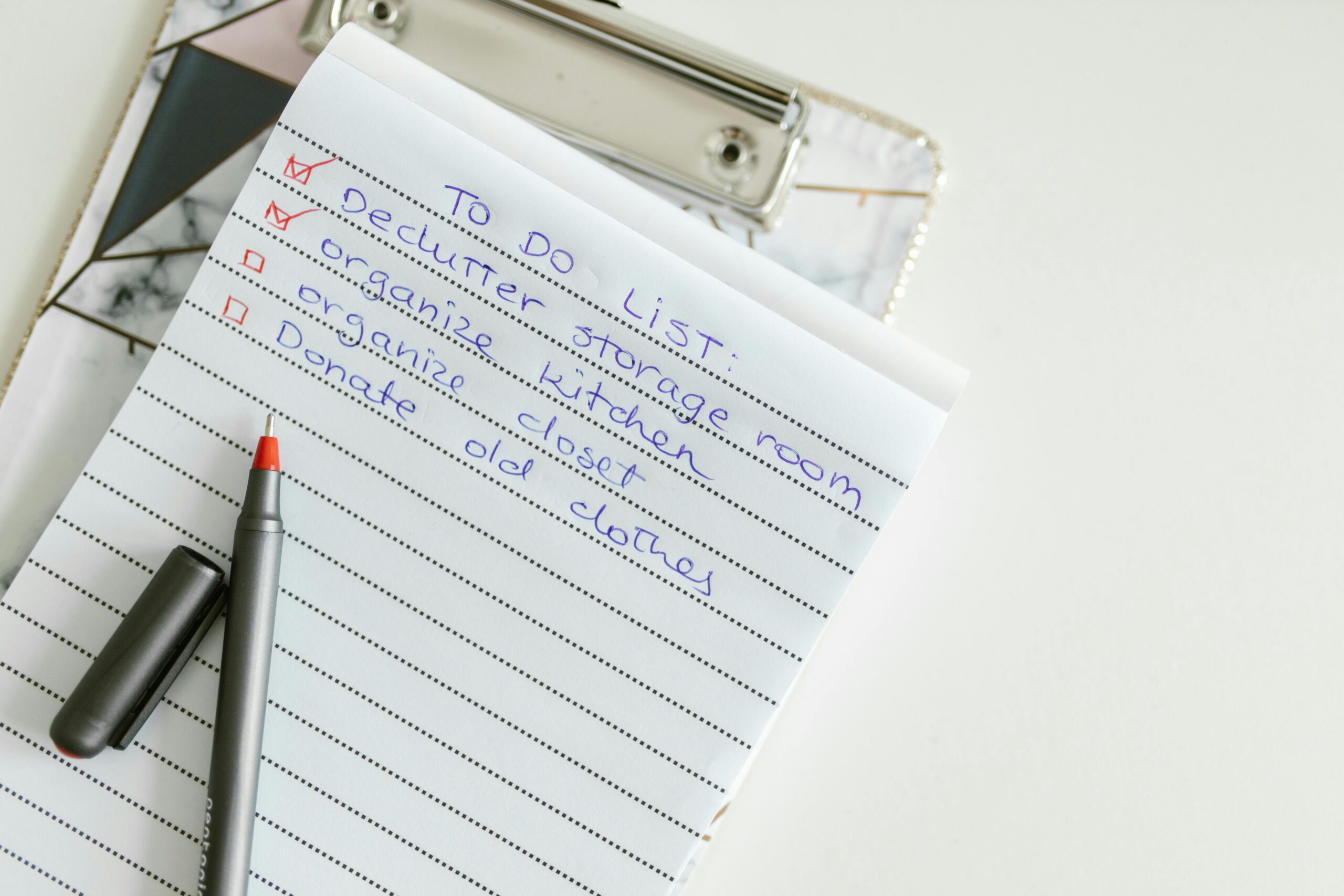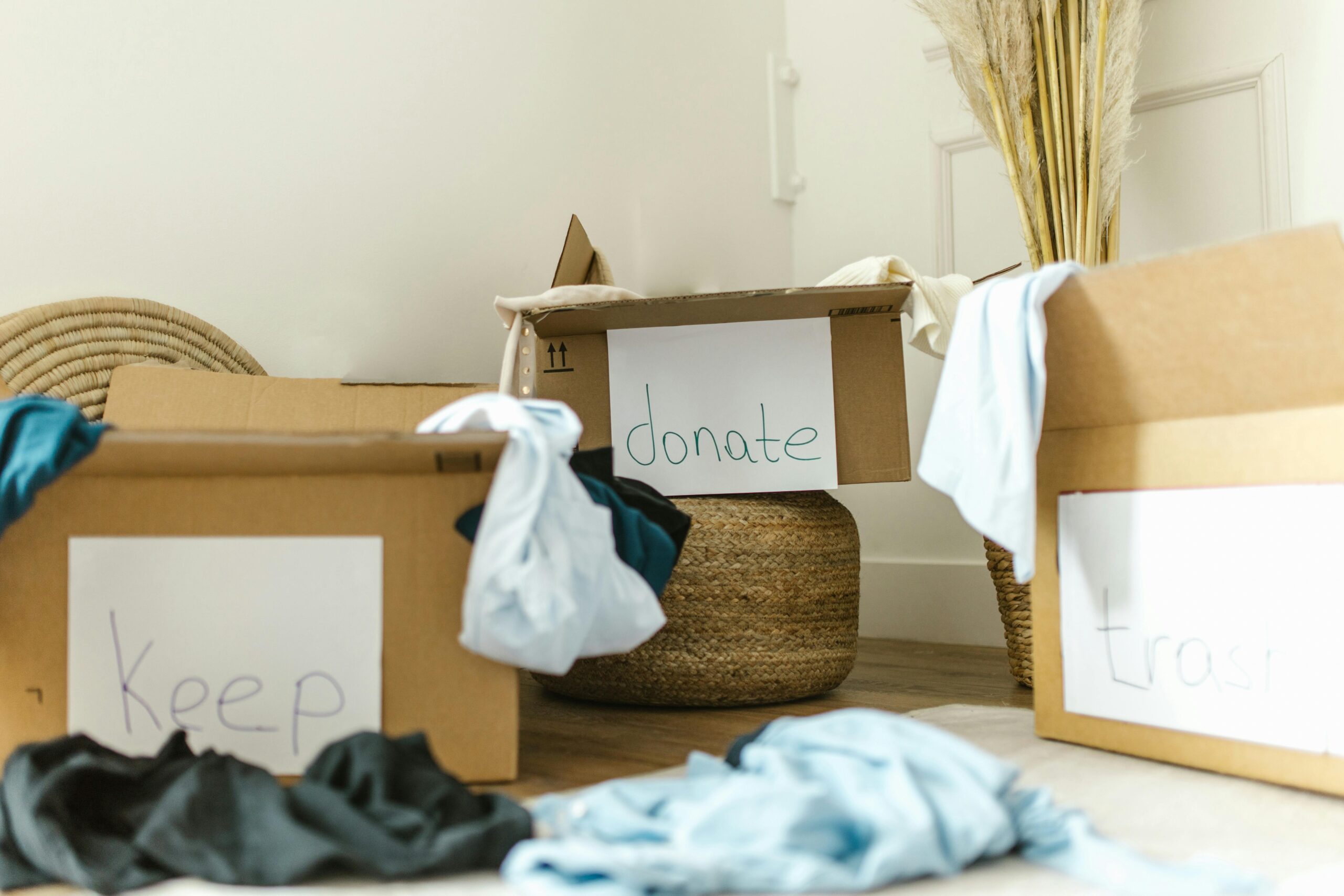
Decluttering your life can feel overwhelming, especially when every item seems to carry a memory or potential future use. Making smart donation decisions requires a strategic approach that balances emotional attachment with practical reality.

Whether you’re preparing for a move, embracing minimalism, or simply creating more space in your home, knowing what to keep and what to donate is a skill that improves with practice. This comprehensive guide will walk you through every consideration you need to master your donation game and transform your living space.
🎯 Why Having a Donation Strategy Matters
Before diving into specific items, understanding the broader purpose behind donation decisions sets the foundation for success. Many people struggle with letting go because they lack a clear framework for decision-making.
A well-defined donation strategy serves multiple purposes: it reduces decision fatigue, speeds up the decluttering process, and ensures your donations actually benefit others. When you approach donations systematically rather than emotionally, you’re more likely to make choices you’ll feel good about long-term.
Research shows that clutter directly impacts mental health, increasing stress levels and decreasing productivity. By mastering the art of deciding what stays and what goes, you’re not just organizing your space—you’re investing in your overall wellbeing.
📋 The Core Questions Every Item Must Answer
Every possession in your home should justify its existence by passing through a series of essential questions. This filtering system removes subjectivity and provides concrete criteria for donation decisions.
The Functionality Test
Start by asking whether the item currently serves a purpose in your life. Notice the emphasis on “currently”—not someday, not theoretically, but right now. Items that haven’t been used in the past year rarely deserve permanent residence in your home.
Consider whether the item works properly. Broken objects you’ve been meaning to repair for months typically stay broken. If you haven’t fixed it yet, honestly assess whether you ever will. Donation centers can often repair items or recycle materials appropriately.
The Joy and Value Assessment
Does this item bring genuine happiness or serve a clear practical purpose? This question, popularized by organization experts, helps separate meaningful possessions from space-fillers. If something doesn’t spark joy or fulfill a function, it’s consuming valuable real estate in your home.
Evaluate monetary value versus sentimental value realistically. That expensive purchase you regret doesn’t become more valuable by sitting unused in your closet. Someone else could benefit from it immediately while you reclaim your space.
The Replacement Reality Check
Ask yourself: if I donated this item and needed it later, could I reasonably replace it? For most everyday items, the answer is yes. The fear of future need keeps many people surrounded by clutter they’ll never actually use.
Consider replacement cost against storage cost. That backup coffee maker might cost $30 to replace, but it’s occupying space you could use more productively. Unless replacement would be difficult or expensive, err on the side of letting go.
👕 Category-by-Category Donation Guidelines
Different types of possessions require tailored approaches. Here’s how to tackle the most common categories systematically.
Clothing and Accessories
Your wardrobe reveals the disconnect between who you are and who you imagine you might be. That formal dress you’ve worn once in five years? Someone else could enjoy it at their next event.
Apply the one-year rule strictly: if you haven’t worn it in twelve months, donate it. Exceptions include special occasion wear like wedding attire or seasonal items with clear future use. Everything else is just taking up closet space.
Pay attention to fit and comfort. Clothes that don’t fit properly now—whether too big or too small—rarely motivate lasting lifestyle changes. Donate them and buy pieces that fit your current body and life.
Accessories multiply mysteriously. Keep only scarves, belts, bags, and jewelry you actually wear regularly. That collection of fifteen purses when you rotate between two favorites represents opportunity for donation.
Kitchen Items and Small Appliances
Kitchens accumulate redundant tools and single-purpose gadgets that seemed essential at purchase but rarely emerge from cabinets. Be ruthless here—you truly don’t need three vegetable peelers or that avocado slicer.
Evaluate small appliances by actual use frequency. If your bread maker, juicer, or specialty waffle iron hasn’t been used in six months, someone else could be enjoying it. Keep only appliances that genuinely simplify your regular cooking routine.
Duplicate items rarely serve a purpose. Unless you frequently host large gatherings, you don’t need service for twelve. A reasonable set of dishes, glasses, and utensils simplifies both storage and dishwashing.
Books, Media, and Entertainment
Books hold special emotional weight, but unread books gathering dust don’t honor the stories inside them. If you haven’t read it in years and won’t reference it again, donate it to someone who will.
Digital alternatives have transformed media consumption. Those CD and DVD collections likely duplicate content available on streaming services. Keep only items with genuine sentimental value or unavailable elsewhere.
Remember that donating books and media shares knowledge and entertainment with others. Your finished books have completed their journey with you—let them begin new adventures elsewhere.
Decorative Items and Knick-Knacks
Decorative objects should enhance your space, not clutter it. If you have so many decorative items that they’ve become visual noise rather than focal points, it’s time to curate down to your absolute favorites.
Seasonal decorations multiply over years. Keep only decorations you actually display each season. Those Valentine’s Day decorations still in boxes after three years? They won’t suddenly become part of your routine.
Sports Equipment and Hobby Supplies
Past hobbies and abandoned fitness equipment occupy significant space in many homes. That guitar you were going to learn, the skis from your one trip five years ago, or the scrapbooking supplies for a project never started—these represent past intentions, not current reality.
Be honest about which activities genuinely fit your current lifestyle. Donate equipment for abandoned hobbies so someone actively pursuing those interests can use them. Your garage or closet will thank you.
💡 Smart Strategies for Emotional Attachments
Emotional attachment causes the most donation paralysis. These strategies help navigate sentimental items without guilt or regret.
The Photo Preservation Method
For items with purely sentimental value but no practical use, take a high-quality photograph before donating. You preserve the memory without preserving the physical object. This works especially well for children’s artwork, old sports trophies, and inherited items you don’t actually like.
Create a digital memory box of these photos. You can revisit memories anytime without dedicating physical space to objects that don’t serve your current life.
The One-Box Rule for Sentimental Items
Designate one container for truly irreplaceable sentimental items. When the box fills, you must evaluate what matters most. This limitation forces prioritization and prevents sentimental items from taking over your home.
Review this box annually. Items that seemed precious years ago may no longer hold the same significance. Give yourself permission to let go as you evolve.
Honoring Gifts Without Keeping Them
Gifts that don’t suit your taste or needs create particular guilt. Remember that gifts fulfill their purpose in the giving—the joy was in receiving it, not in storing it forever.
The gift-giver would likely prefer you donate something unused rather than keep it out of obligation. Donation honors both the gift and potential new recipients who will actually appreciate it.
🏠 Creating Your Personal Donation System
Sustainable donation habits require systems that make the process automatic rather than overwhelming. Implement these strategies for ongoing success.
The One-In-One-Out Rule
For every new item entering your home, one similar item should leave. Buy new shoes? Donate old ones. This simple rule prevents accumulation and maintains your newly organized space.
Make this rule non-negotiable for categories that tend to multiply: clothing, books, kitchen gadgets, and toys. It transforms shopping from accumulation to intentional replacement.
Regular Donation Schedules
Schedule quarterly donation reviews rather than waiting for overwhelming clutter. Mark your calendar for seasonal reviews—these become routine maintenance rather than major projects.
Keep a designated donation box in an accessible location. When you notice something you no longer need, immediately place it in the box. When full, schedule a donation drop-off.
The Six-Month Purgatory Box
For items you’re genuinely uncertain about, pack them in a labeled box with today’s date. Store the sealed box out of sight. If you haven’t needed anything from it in six months, donate the entire box without reopening it.
This method provides security for the truly anxious while proving that most “maybe” items are actually “no” items you’ll never miss.
🎁 Where to Donate Different Items
Strategic donation placement ensures your items genuinely help others while maximizing tax benefits where applicable.
General Donation Centers
Organizations like Goodwill, Salvation Army, and local thrift stores accept wide ranges of household goods, clothing, and furniture. These provide one-stop convenience for mixed donations.
Always call ahead to confirm acceptance policies, especially for furniture and appliances. Donation centers have specific requirements regarding condition and types of items accepted.
Specialized Donation Opportunities
Professional clothing can go to organizations helping people re-entering the workforce. Libraries often accept book donations. Animal shelters need towels and blankets. Schools welcome art supplies and educational materials.
Medical equipment, mobility aids, and eyeglasses have specialized donation programs that connect them with people in need. Research local options for these valuable items.
Digital Tools for Donation Tracking
Several mobile applications help track donations for tax purposes, photograph items, and connect you with local charities. These tools streamline the donation process and ensure you receive appropriate tax documentation.
⚠️ Common Donation Mistakes to Avoid
Even well-intentioned donors make errors that reduce the impact and value of their donations. Avoid these common pitfalls.
Donating Trash Instead of Treasures
Donation centers aren’t garbage services. Items should be clean, functional, and in reasonable condition. Stained clothing, broken electronics, and damaged furniture burden charities rather than helping them.
Ask yourself: would I give this to a friend? If not, it’s probably not appropriate for donation. Respect donation centers and future recipients by maintaining quality standards.
Waiting for the Perfect Moment
Perfectionism paralyzes donation efforts. You don’t need to deep clean every item or wait until you have time for a complete home overhaul. Small, consistent donations create more impact than one perfect purge you never complete.
Start with one drawer, one shelf, or one category. Progress matters more than perfection.
Underestimating Donation Value
Many people don’t realize their donations qualify as tax deductions. Keep records, take photos, and obtain receipts. These donations represent genuine financial value worth documenting properly.
Use IRS guidelines or valuation tools to assess fair market value for your donations. Proper documentation maximizes benefits while supporting worthy organizations.
🌟 The Life-Changing Benefits of Mastering Donations
Beyond organized closets and decluttered rooms, strategic donation decisions transform your entire relationship with possessions and consumption.
Financial Freedom Through Mindful Ownership
When you regularly evaluate what you own and what you need, you naturally become more intentional about future purchases. This awareness reduces impulse buying and saves substantial money over time.
You’ll also discover that owning less means spending less on storage solutions, larger homes, and organization products. Minimalism isn’t deprivation—it’s financial liberation.
Mental Clarity and Reduced Stress
Physical clutter creates mental clutter. Every object you own requires some mental energy—deciding where to store it, maintaining it, moving it during cleaning. Reducing possessions literally frees mental bandwidth for what matters.
People who master donation decisions consistently report feeling lighter, more focused, and less overwhelmed. Your environment directly influences your mental state.
Environmental Impact and Community Support
Donations extend product lifecycles, reducing waste in landfills. Your unused items support charitable missions, help individuals in need, and create employment in the resale sector.
Every donation represents a small environmental victory and a contribution to your community. These collective impacts create meaningful change beyond your personal space.

🚀 Your Action Plan for Donation Success
Knowledge without action remains theoretical. Implement these steps to transform your donation game starting today.
Begin with a single category this week—perhaps clothing or kitchen items. Apply the core questions to each item, making decisions quickly without overthinking. Place donation items immediately in a box.
Schedule your first donation drop-off within seven days. Don’t let donation boxes sit for weeks—that defeats the purpose. Choose a convenient location and make the trip part of your weekend routine.
Establish your ongoing donation system: designate a permanent donation spot, set quarterly review reminders, and implement the one-in-one-out rule. These habits prevent backsliding into accumulation.
Share your progress with someone who will support your efforts. Accountability increases follow-through and celebrating small victories maintains momentum. Take before and after photos to visualize your transformation.
Remember that mastering donations is a journey, not a destination. Each decision strengthens your ability to distinguish what truly serves your life from what simply occupies space. Be patient with yourself, celebrate progress over perfection, and trust that the clarity and freedom waiting on the other side of decluttering are worth every difficult decision.
Your relationship with possessions reflects your values and priorities. By thoughtfully choosing what to keep and what to release, you’re not just organizing a home—you’re designing a life aligned with what truly matters to you. Start small, stay consistent, and watch as both your space and your mindset transform through the simple but powerful act of letting go.