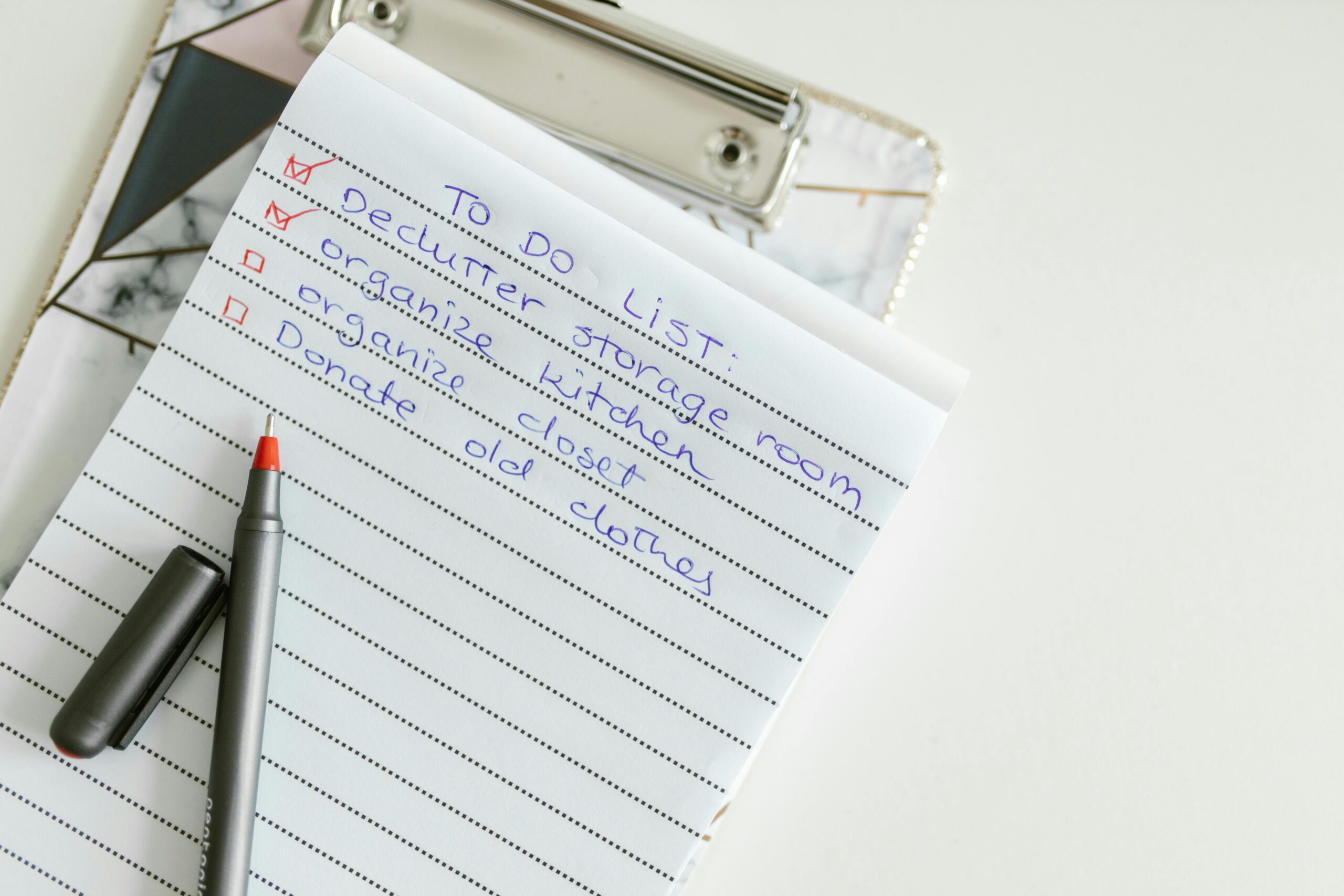
A cluttered pantry can turn meal preparation into a frustrating treasure hunt, wasting both time and money. Transform your kitchen storage into an organized, functional space that makes cooking enjoyable and helps you see exactly what you have.

Every home cook knows the feeling of reaching for an ingredient only to discover it expired months ago, or buying duplicates because you couldn’t see what was already hiding in the back. A well-organized pantry doesn’t just look impressive—it reduces food waste, saves money, and makes meal planning infinitely easier. Whether you’re working with a spacious walk-in pantry or a few modest cupboards, implementing a strategic decluttering system will revolutionize how you interact with your kitchen storage.
🗓️ Understanding Expiration Dates and Food Safety
Before diving into your pantry declutter project, it’s essential to understand what those dates on food packages actually mean. Many people discard perfectly good food because they misinterpret labeling, while others hold onto items that have genuinely gone bad.
The “best by” date indicates peak quality rather than safety. Most shelf-stable items remain safe to consume well beyond this date if stored properly. “Use by” dates are more critical for perishable items and should be followed more closely. “Sell by” dates are primarily for retailers and don’t necessarily indicate when you should stop consuming the product.
Canned goods can typically last one to five years past their printed dates, depending on the contents and storage conditions. Dried pasta remains safe for years, though texture may decline. Spices don’t spoil but lose potency after about three years. Rice, when stored in airtight containers, can last indefinitely, though brown rice has more oils and a shorter shelf life of about six months.
Signs That Food Has Actually Gone Bad
Beyond dates, trust your senses. Oils develop a rancid smell when oxidized. Flour infested with pantry pests will show webbing or movement. Canned goods with bulging, rusted, or dented cans should be discarded immediately. Any item with visible mold, unusual odors, or color changes should go straight into the trash.
📋 The Pre-Declutter Preparation Phase
Successful pantry organization begins before you touch a single can. Setting yourself up properly makes the entire process smoother and more effective.
Choose a time when you have at least two to three uninterrupted hours. Attempting this project in rushed segments leads to incomplete results and frustration. Schedule your declutter session before your next grocery shopping trip so you know exactly what needs replenishing.
Gather your supplies beforehand: trash bags for expired items, donation boxes for unexpired foods you won’t use, cleaning supplies including all-purpose cleaner and microfiber cloths, permanent markers for labeling, and storage containers if you’re planning a complete reorganization.
Creating Your Declutter Strategy
Decide whether you’ll tackle the entire pantry at once or section by section. Complete pantry overhauls work well for smaller spaces, while zone-by-zone approaches suit larger pantries or those with limited time. Common zones include baking supplies, canned goods, grains and pasta, snacks, oils and condiments, and breakfast items.
🧹 The Complete Pantry Declutter Process
Now comes the transformative work. This systematic approach ensures nothing gets overlooked and creates lasting organization rather than temporary tidiness.
Start by completely emptying your chosen area. Yes, completely. This step feels overwhelming but is absolutely necessary. You cannot properly assess what you have or clean effectively while items remain on shelves. As you remove items, group similar things together on your counter or table—all cans together, all grains together, and so forth.
While shelves are empty, thoroughly clean them. Crumbs, spills, and dust accumulate quickly in pantries. Wipe down all surfaces with appropriate cleaner, vacuum or sweep floors, and check for any signs of pest activity. Address any issues before returning items to storage.
The Sorting System That Actually Works
Create four distinct categories as you examine each item: keep and use regularly, keep but rarely use, donate or give away, and discard. Be ruthlessly honest during this process. That specialty ingredient you bought for one recipe three years ago? If you haven’t used it since, it’s time to let it go.
Check expiration dates on everything, but also evaluate condition and likelihood of use. Unexpired items you genuinely won’t use should be donated to food banks or offered to friends and family. Most food banks accept non-perishable items up to their expiration date.
📦 Maximizing Space Through Strategic Organization
Once you’ve decluttered, it’s time to reimagine your space. Proper organization multiplies your functional storage capacity without adding a single shelf.
Place frequently used items at eye level in the most accessible spots. Reserve lower shelves for heavy items like bulk grains or large appliances. Higher shelves work well for occasional-use items or overflow stock. This ergonomic approach makes daily cooking more efficient and ensures you actually use what you have.
Group items by category and usage. Create a baking zone with flour, sugar, baking powder, and chocolate chips together. Establish a breakfast station with cereals, oatmeal, and coffee supplies. Build a snack shelf where family members can easily grab what they need. This categorical system makes meal preparation faster and prevents duplicate purchases.
Container Solutions for Different Food Types
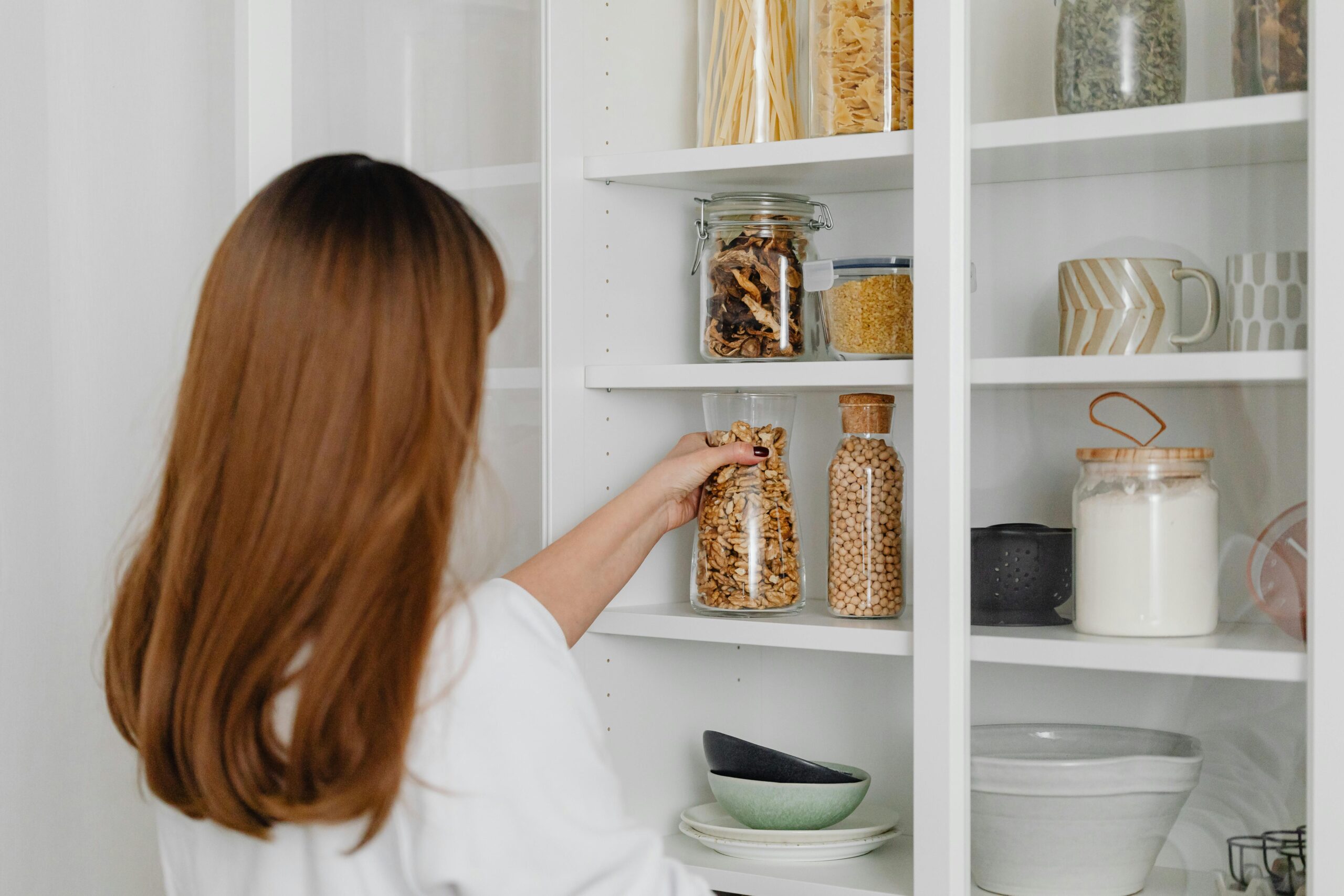
Transfer dry goods into airtight containers to extend freshness, prevent pest problems, and maximize space efficiency. Clear containers let you see contents and quantities at a glance, reducing waste and unnecessary shopping.
Choose square or rectangular containers over round ones—they stack more efficiently and waste less shelf space. Uniform container sets create a visually cohesive look while simplifying storage. Label everything clearly with contents and expiration dates using a label maker or permanent marker.
| Food Category | Best Container Type | Typical Shelf Life |
|---|---|---|
| Flour and Sugar | Large airtight canisters (2-4 quarts) | 6-12 months (flour), indefinite (sugar) |
| Pasta and Rice | Medium containers with pour spouts | 2 years (pasta), indefinite (white rice) |
| Snacks and Cereals | Wide-mouth containers for easy access | Varies, check package dates |
| Spices | Small uniform jars or original containers | 1-3 years for optimal flavor |
| Baking Ingredients | Stackable modular containers | 6 months to 2 years depending on item |
🔄 Implementing a Rotation System
Professional kitchens use the “first in, first out” (FIFO) method, and your home pantry should too. This simple principle dramatically reduces food waste by ensuring older items get used before newer purchases.
When restocking, place new items behind existing ones. Bring older products to the front where they’ll be grabbed first. This works especially well for canned goods, boxed items, and anything with a definite expiration date. Make it a habit every time you unpack groceries rather than just shoving new items wherever they fit.
Consider adding a “use soon” basket or designated shelf section for items approaching expiration. Check this area when meal planning to ensure nothing goes to waste. This visual reminder helps you incorporate these ingredients before they expire.
📱 Technology Tools for Pantry Management
Modern technology offers solutions that take pantry organization beyond physical decluttering. Several apps help track inventory, manage expiration dates, and reduce food waste through better planning.
Inventory management apps let you catalog what you have, set expiration reminders, and create shopping lists based on actual needs rather than guesses. Some apps even suggest recipes based on ingredients you need to use up. While not everyone needs this level of digital management, households that struggle with waste or over-purchasing find these tools invaluable.
🎯 Category-Specific Decluttering Guidelines
Different pantry categories require tailored approaches. Understanding the unique storage needs and longevity of various food types helps you make informed decisions about what stays and what goes.
Spices and Seasonings 🌿
Spices don’t spoil in a food safety sense, but they lose flavor potency over time. Ground spices maintain peak flavor for about two to three years, while whole spices last slightly longer. If your spices have lost their aroma or color has faded significantly, they won’t add much to your cooking.
Store spices away from heat and light to preserve flavor longer. That convenient rack above your stove? Actually one of the worst locations for spice storage. A cool, dark cupboard extends spice life considerably. Consider dating spices when purchased to track their age.
Baking Supplies
Flour can harbor pantry moths and goes rancid over time, especially whole grain varieties. All-purpose flour lasts about a year at room temperature, while whole wheat flour should be refrigerated or frozen for longer storage. Baking powder and baking soda lose effectiveness over time—test them before use in important recipes.
Store opened baking chocolate in airtight containers as it easily absorbs odors from surrounding foods. Chocolate chips last six months to a year when properly stored. Vanilla extract actually improves with age if stored properly, making it one of the few pantry items that gets better over time.
Canned and Jarred Goods
These items offer impressive longevity but aren’t truly eternal. High-acid canned goods like tomatoes and fruits maintain best quality for 12 to 18 months. Low-acid canned goods like vegetables and meats last two to five years. Home-canned items should be consumed within one year for safety.
Never consume anything from bulging, severely dented, or rusted cans—these conditions can indicate dangerous bacterial growth. Store canned goods in cool, dry conditions and rotate stock regularly to maintain quality.
Oils and Condiments
Cooking oils go rancid over time, especially those stored improperly. Store oils in cool, dark places and use within six months to a year after opening. Rancid oil develops an unpleasant smell—trust your nose. Nut oils have shorter shelf lives than vegetable oils due to higher levels of polyunsaturated fats.
Condiments often contain vinegar or are high in sugar or salt, acting as natural preservatives. However, refrigerate after opening and check for mold or off odors before use. That ketchup from 2018? Probably time to let it go, even if it looks okay.
🏆 Maintaining Your Newly Organized Pantry
The real challenge isn’t the initial declutter—it’s maintaining that beautiful organization long-term. Build simple habits that prevent clutter from creeping back in.
Conduct mini-audits monthly, checking for items nearing expiration and assessing your organizational system. Is something consistently getting lost in the back? Adjust your system accordingly. Organization should serve you, not the other way around.
Implement a one-in, one-out rule for non-essentials. When you buy a new sauce or specialty item, commit to using up an existing one first. This prevents accumulation of partially used items that eventually expire.
Before each grocery trip, scan your pantry and create a shopping list based on actual needs. This simple habit prevents duplicate purchases and ensures you use what you have before buying more. Keep a running list on your phone or a notepad in the kitchen to capture items as you run low.
💡 Space-Saving Solutions for Small Pantries
Limited pantry space requires creative solutions. Even the smallest storage areas can function efficiently with the right approach.
Use vertical space by installing risers or tiered shelving that lets you see items in back without moving everything in front. Door-mounted racks capture otherwise wasted space for spices, small packets, or frequently used items. Hanging baskets under shelves create additional layers of storage.
Slim rolling carts that fit in narrow gaps between appliances or cabinets provide surprising storage capacity. Pull-out drawers or baskets make deep cabinets more accessible. Magnetic spice racks on refrigerator sides or inside cabinet doors keep frequently used seasonings handy without consuming shelf space.
🌱 Sustainable Pantry Practices
An organized pantry naturally supports sustainability by reducing food waste, but you can take it further. Buy frequently used items in bulk to reduce packaging waste. Store them in reusable containers for a system that’s both eco-friendly and organized.
Compost expired items when possible rather than sending everything to landfill. Obviously spoiled or moldy foods should be discarded, but expired dry goods often compost well. Check your local food bank’s policies before assuming you can’t donate—many accept items shortly past their best-by dates.
Plan meals around what needs using rather than letting ingredients dictate from the back of shelves. This creative approach reduces waste while challenging you to try new recipes and combinations.
✨ Transforming Pantry Maintenance Into Habit
The difference between a temporarily organized pantry and a permanently functional one comes down to habits. Build decluttering into your routine rather than treating it as an occasional major project.
Spend five minutes weekly scanning for items approaching expiration. Schedule quarterly deep declutters on your calendar like any other important appointment. Involve family members in maintaining organization—when everyone knows the system and contributes to upkeep, it becomes effortless.
Your pantry should work for your lifestyle, not against it. If something about your system frustrates you consistently, change it. Organization isn’t about perfection or Pinterest-worthy aesthetics—it’s about creating a functional space that makes cooking easier and reduces waste.
A streamlined, well-organized pantry represents more than just tidy shelves. It’s a commitment to mindful consumption, reduced waste, and more enjoyable cooking experiences. The initial declutter requires effort, but the ongoing benefits—time saved, money preserved, and stress reduced—make it one of the most worthwhile home projects you can undertake. Start today with just one shelf or category, and watch how quickly the momentum builds toward a completely transformed kitchen storage system that actually serves your needs.