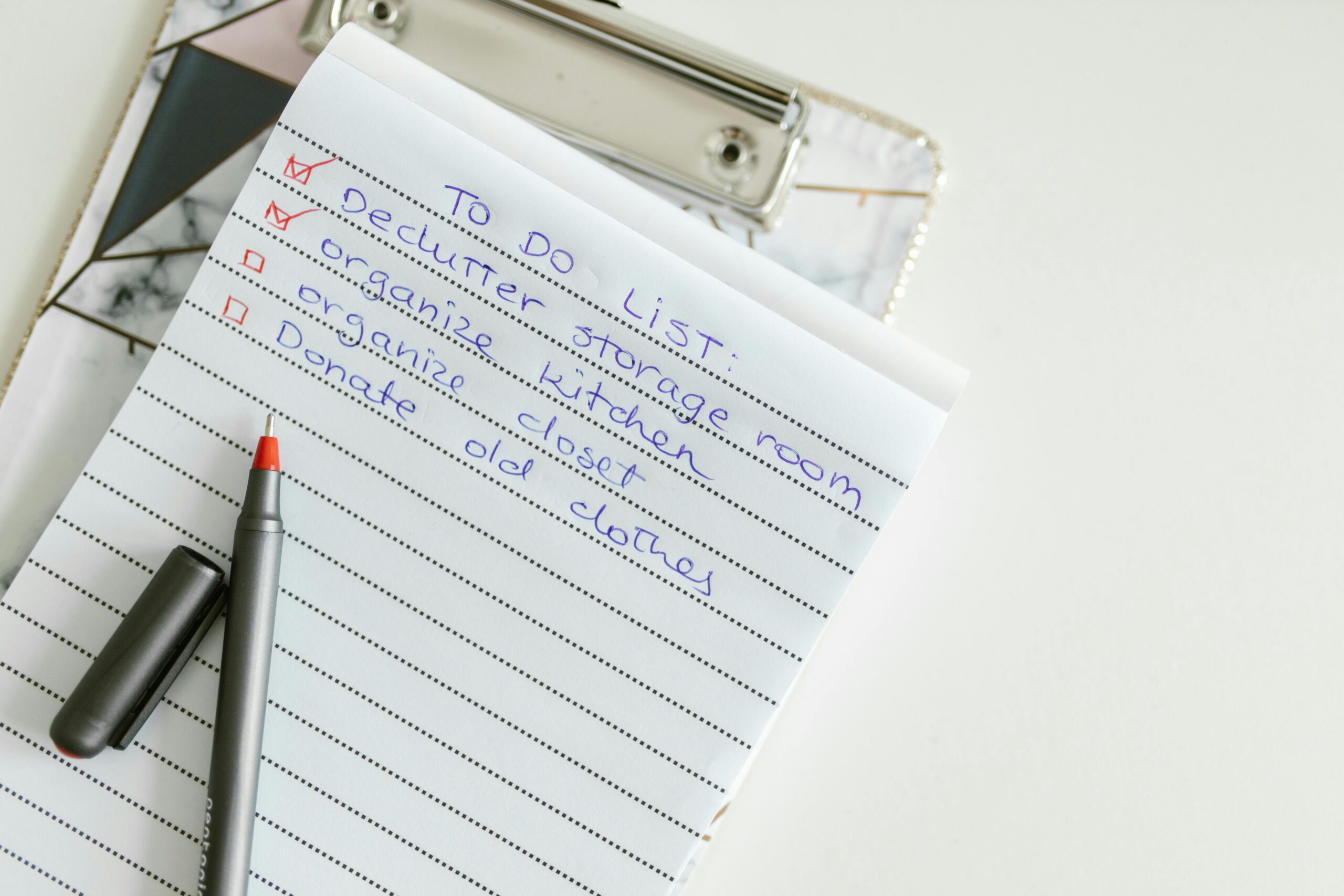
Your home should be a sanctuary, but clutter hotspots can turn it into a source of stress. This weekend reset checklist will help you reclaim your space and create the organized, refreshing environment you deserve.

We all know that feeling when clutter accumulates in specific areas of our homes—the kitchen counter that becomes a dumping ground, the entryway buried under shoes and bags, or the bedroom chair that’s permanently draped with clothes. These clutter hotspots drain our energy and make our homes feel chaotic rather than calming. The good news? A focused weekend reset can transform these problem areas and set you up for long-term success.
Understanding Your Home’s Clutter Hotspots 🔍
Before diving into the checklist, it’s essential to identify where clutter accumulates most frequently in your home. These hotspots aren’t random—they form in areas where we drop items without thinking, where storage solutions are inadequate, or where our daily routines create natural accumulation points.
The most common clutter hotspots include entryways, kitchen counters, bedroom surfaces, bathroom vanities, and that infamous dining room table that rarely sees a proper meal. By recognizing these patterns, you can create targeted solutions rather than attempting to organize your entire home at once.
Preparing for Your Weekend Reset
Success begins with preparation. Before you start tackling clutter, gather your essential supplies: trash bags, donation boxes, cleaning products, storage containers, and labels. Set realistic expectations—this weekend reset focuses on high-impact areas rather than perfection.
Block out specific time slots on both Saturday and Sunday, ideally four to six hours total. This isn’t about marathon cleaning sessions that leave you exhausted. Instead, you’ll work in focused bursts with breaks in between, making the process sustainable and even enjoyable.
The Entryway: Creating a Welcoming First Impression
Your entryway sets the tone for your entire home. This high-traffic area accumulates shoes, bags, coats, mail, and miscellaneous items faster than almost any other space. Start your weekend reset here to create immediate impact.
The 15-Minute Entryway Blitz
Begin by removing everything that doesn’t belong in this space. Shoes go back to their owners’ rooms, mail gets sorted immediately, and items meant for other areas of the house get relocated. Install hooks at various heights for bags and coats, or add a coat rack if wall mounting isn’t possible.
Create designated zones: a shoe storage area (whether a rack, bench with storage, or simple tray), a key and mail station, and a surface for items going in and out of the house. This zoning approach prevents the entryway from becoming a catch-all space again.
Kitchen Counters: Reclaiming Your Workspace 🍳
Kitchen counters are notorious clutter magnets. Small appliances, mail, school papers, keys, and random items congregate here because the kitchen is often the heart of the home. Clearing these surfaces creates both functional workspace and visual calm.
Start by removing everything from your counters. Yes, everything. Clean the bare surfaces thoroughly, then begin the decision-making process. Only items used daily—like a coffee maker or knife block—should earn permanent counter real estate. Everything else gets stored in cabinets or designated areas.
Implementing the One-In, One-Out Rule
For kitchen gadgets and tools, adopt the one-in, one-out principle. Before bringing home a new appliance or tool, commit to removing one you no longer use. This prevents accumulation and keeps your kitchen functional rather than cluttered.
Create a command center for papers, whether it’s a wall-mounted organizer, a drawer with dividers, or a designated basket. Mail gets opened over the recycling bin, with only essential documents making it to your filing system.
The Bedroom: Building Your Sleep Sanctuary 😴
Your bedroom should promote rest and rejuvenation, but clutter interferes with both. The infamous “chair-drobe”—that chair or corner where clothes pile up—is a common issue, along with nightstands overflowing with books, devices, and miscellaneous items.
Tackle your bedroom in zones. Start with surfaces: nightstands, dressers, and that problematic chair. Remove items that don’t belong, then organize what remains. Nightstands should hold only what you need before sleep and upon waking—perhaps a lamp, book, water, and phone charger.
Closet Quick Wins
You don’t need a complete closet overhaul this weekend, but you can make significant progress with focused effort. Remove clothes you haven’t worn in a year, items that don’t fit, and pieces that make you feel anything less than confident. Be honest—if you haven’t worn it by now, you probably won’t.
Organize remaining clothes by category and color. This simple system makes getting dressed easier and helps you see what you actually own, preventing unnecessary purchases. Use matching hangers for a cohesive look that makes your closet feel more organized immediately.
Bathroom Basics: Streamlining Your Morning Routine
Bathrooms accumulate expired products, duplicate items, and things we bought with good intentions but never actually use. This weekend, commit to editing your bathroom inventory down to products you actually use and love.
Check expiration dates on medications, cosmetics, and skincare products. Most people are surprised by how many expired items hide in bathroom cabinets and drawers. When in doubt about cosmetic expiration dates, remember: mascara lasts three months, liquid foundation six months to a year, and powder products typically two years.
Creating Functional Zones
Organize bathroom items by function: daily essentials in the most accessible spots, occasional-use items in secondary storage, and backstock stored elsewhere until needed. Use drawer dividers, small bins, or even repurposed containers to keep categories separated and easy to find.
Under-sink cabinets benefit from stackable organizers or pull-out drawers that maximize vertical space and visibility. No more digging through piles of products to find what you need—everything should be visible at a glance.
Living Room: Designing for Both Function and Relaxation 🛋️
Living rooms serve multiple purposes—relaxation, entertainment, work, and play—which makes them susceptible to clutter from various sources. Remote controls, magazines, kids’ toys, blankets, and devices accumulate quickly in these multi-purpose spaces.
Implement the “everything has a home” principle. Remotes live in a designated basket or drawer, magazines in a rack with a one-week limit before recycling, toys in bins that slide under furniture or sit on shelves, and blankets folded in a basket or draped intentionally over seating.
The Five-Minute Evening Reset
Prevent living room clutter from building up again by instituting a five-minute evening reset. Before bed, everyone spends five minutes returning items to their proper homes. This simple habit prevents weekend clutter from becoming overwhelming and keeps your space consistently welcoming.
Home Office and Paper Management 📄
Whether you have a dedicated office or a kitchen desk, paper clutter and office supplies can quickly overwhelm these spaces. This weekend, tackle the paper backlog and create systems that prevent future accumulation.
Sort papers into three categories: action required, reference, and recycle. Action items get a designated inbox or folder with a commitment to address them by specific dates. Reference materials get filed or scanned and stored digitally. Everything else gets recycled.
Digital Decluttering
While you’re in organizing mode, spend 30 minutes on digital decluttering. Delete old files, organize your desktop into folders, unsubscribe from emails you never read, and clear out your downloads folder. Digital clutter affects your productivity just like physical clutter impacts your space.
Maintenance Strategies That Actually Work ✨
The real challenge isn’t the weekend reset—it’s maintaining these newly organized spaces. Without sustainable systems, clutter creeps back within weeks. These strategies help your weekend efforts last long-term.
Adopt the “one-touch rule” whenever possible. When you pick something up, put it in its proper place rather than setting it down temporarily. This single habit prevents clutter accumulation more effectively than any other strategy.
The Sunday Basket System
Keep a designated basket for items that need attention during the week—bills to pay, forms to fill out, items to return. Each Sunday during your weekly reset, process everything in the basket. This prevents paperwork and to-do items from spreading throughout your home.
Schedule brief daily maintenance: 10 minutes each evening to reset main living areas. This small investment prevents clutter from building to overwhelming levels and makes weekend resets much faster in the future.
Room-by-Room Checklist for Your Weekend Reset
Use this checklist to stay focused and ensure you hit all the major clutter hotspots during your weekend transformation:
- Entryway: Clear surfaces, organize shoes, create mail station, install hooks
- Kitchen: Clear counters, organize pantry fronts, clean out fridge, designate command center
- Bedroom: Clear surfaces, tackle chair-drobe, quick closet edit, organize nightstands
- Bathroom: Check expiration dates, organize by zones, declutter under sink, clean medicine cabinet
- Living Room: Corral remotes, organize media, contain toys, fold/store blankets
- Home Office: Process papers, organize supplies, clear desk, digital declutter session
Tools and Resources That Make the Job Easier
The right tools can make your weekend reset significantly more efficient. Invest in clear storage containers so you can see contents at a glance, drawer dividers that keep small items organized, and a label maker that helps everyone in the household know where things belong.
Consider using a decluttering app to stay motivated and track your progress throughout the weekend. These tools can provide timers, checklists, and before-and-after photo capabilities that help you see your transformation clearly.
When to Call in Reinforcements
Sometimes clutter hotspots resist your best efforts because they require more than organization—they need better storage solutions, furniture that serves your needs, or professional help. Don’t hesitate to invest in the right tools or assistance if it means creating a functional, peaceful home.
Professional organizers can provide perspective and systems you might not consider on your own. If you feel overwhelmed despite following this checklist, hiring help for even a few hours can jumpstart your progress and teach you strategies for maintaining order.

Celebrating Your Success and Moving Forward 🎉
After your weekend reset, take time to appreciate your transformed space. Walk through each area you tackled, noting how different it looks and feels. Take photos to remind yourself of this baseline when clutter starts creeping back.
Remember that organization is a journey, not a destination. Some weeks you’ll maintain your systems perfectly, and other weeks life will get messy. That’s normal. The key is having these reset strategies in your toolkit so you can quickly restore order when needed.
Your home should support your life, not add stress to it. By targeting clutter hotspots with this weekend reset checklist, you’ve created a foundation for a more peaceful, functional living environment. Maintain these systems with small daily efforts, and you’ll find that keeping your space organized becomes second nature rather than an overwhelming chore.
The transformation you’ve created this weekend extends beyond clean surfaces and organized drawers. You’ve reclaimed mental space, reduced daily stress, and created an environment where you can truly relax and recharge. That’s the real power of tackling clutter hotspots—not just a prettier home, but a better quality of life.