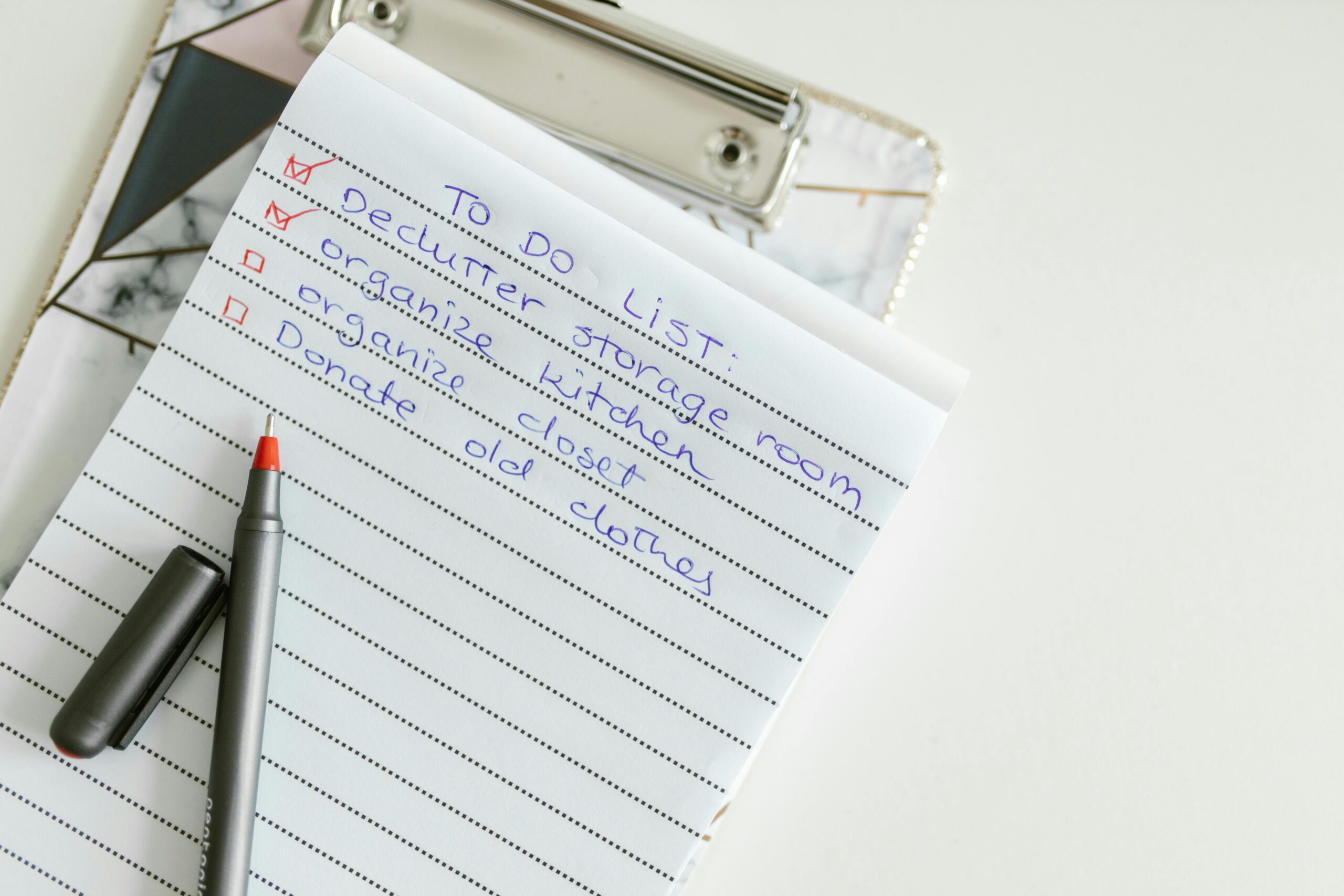
Living with less doesn’t mean sacrificing more. The one-in-one-out rule transforms overwhelming spaces into organized havens by maintaining perfect balance in your belongings.

Modern homes accumulate possessions at an alarming rate, creating stress and chaos in our daily lives. This comprehensive guide introduces you to the revolutionary one-in-one-out declutter method that ensures your space remains organized without constant purging sessions. Whether you’re drowning in clothes, kitchen gadgets, or random knick-knacks, this practical approach will help you maintain a clutter-free environment effortlessly.
🎯 Understanding the One-In-One-Out Philosophy
The one-in-one-out rule operates on a beautifully simple principle: every time something new enters your home, something old must leave. This isn’t about deprivation or extreme minimalism—it’s about conscious consumption and maintaining equilibrium in your living space. The method prevents accumulation while allowing you to enjoy new purchases guilt-free.
This approach differs from traditional decluttering marathons that leave you exhausted and often lead to rebounds. Instead of periodic purges, you’re building a sustainable habit that becomes second nature. The psychological benefit is profound: you become more intentional about purchases, knowing each new item requires saying goodbye to an existing one.
Why Traditional Decluttering Methods Fall Short
Most decluttering advice focuses on massive cleanouts—dedicating entire weekends to sorting through years of accumulated belongings. While these sessions can feel productive initially, they’re exhausting and unsustainable. Within months, spaces fill up again because the underlying habits haven’t changed.
The one-in-one-out method addresses the root cause rather than symptoms. It transforms decluttering from an overwhelming project into a manageable lifestyle choice. You’re not constantly fighting against accumulation; you’re preventing it from happening in the first place.
📋 Creating Your Personalized One-In-One-Out Checklist
Success with this method requires establishing clear guidelines for different categories in your home. Not all items are created equal, and your checklist should reflect the unique challenges of various possession types.
Clothing and Accessories
Your wardrobe is often the easiest place to start implementing the one-in-one-out rule. When you buy a new shirt, donate or discard an old one. This keeps your closet manageable and ensures you actually wear what you own. Consider these specific guidelines:
- New shoes require removing an existing pair that’s worn out or rarely worn
- Seasonal items can be swapped within their category (winter coat for winter coat)
- Accessories like scarves, belts, and bags should follow the same principle
- Undergarments and socks can operate on a “worn out” replacement basis
- Special occasion outfits need honest evaluation about actual wear frequency
Kitchen Items and Gadgets
Kitchens accumulate redundant tools faster than almost any other space. Before purchasing that new coffee maker or specialty gadget, identify what it’s replacing. The one-in-one-out rule forces you to question whether you truly need that third spatula or fifth mixing bowl.
Apply stricter rules for single-purpose gadgets. That avocado slicer might seem appealing, but does it justify displacing a knife that performs multiple functions? Your checklist should prioritize versatile tools over specialized ones.
Books, Media, and Digital Content
Physical books pose unique challenges for bibliophiles. Consider implementing a modified approach: one-in-one-out for general reading, but allow exceptions for reference books or cherished volumes. E-books and digital media theoretically don’t take physical space, but digital clutter affects mental clarity too.
For physical media collections, establish a maximum capacity—like one bookshelf or media cabinet. When you reach capacity, new additions require removals. This visible limit makes the rule easier to follow than arbitrary numbers.
Children’s Toys and Games
Teaching kids the one-in-one-out principle instills valuable lessons about consumption and gratitude. Before birthdays or holidays, work with children to select toys they’ve outgrown or no longer enjoy. This prevents the overwhelming toy avalanche many families experience.
Make it positive rather than punitive. Frame it as making room for exciting new things and helping other children enjoy toys they no longer use. Involvement in the process teaches decision-making skills and reduces attachment to unused items.
🏠 Room-by-Room Implementation Strategy
Different spaces require tailored approaches. Your implementation strategy should account for each room’s unique purpose and challenge areas.
Bedroom: Your Personal Sanctuary
Bedrooms should promote rest and relaxation, not stress from clutter. Beyond clothing, consider decorative items, bedding, and personal care products. That new decorative pillow means finding a home elsewhere for an existing one. New skincare products replace finished or ineffective ones.
Nightstands are clutter magnets. Limit what they hold to essentials: current reading material, necessary medications, and perhaps a small decorative item. When something new arrives, something else departs.
Living Areas: Shared Spaces Done Right
Common areas serve multiple people and purposes, making them particularly vulnerable to clutter. Establish family agreements about the one-in-one-out rule for shared spaces. New throw blankets replace worn ones. Additional board games mean donating rarely played ones.
Display items and decorations require special attention. Seasonal rotations are fine, but your storage for off-season items should have limits too. If new holiday decorations arrive, evaluate existing ones for donation.
Home Office: Productivity Through Organization
Office supplies multiply mysteriously. How many pens, notebooks, or sticky notes do you actually need? Before ordering new supplies, check existing inventory. That new desk organizer should replace your current system, not supplement it.
Digital organization matters too. New software or apps should replace existing tools when possible. Multiple programs serving similar functions create mental clutter even without physical presence.
💡 Overcoming Common Obstacles and Resistance
Even the best systems face challenges. Anticipating common obstacles helps you develop strategies to overcome them before they derail your progress.
The “Just In Case” Mentality
Fear of needing something after discarding it paralyzes many people. Combat this by tracking items you’ve removed. After six months, review whether you’ve needed or missed anything. Spoiler: you probably haven’t. This evidence-based approach quiets the “what if” voice.
For truly unique items that are difficult to replace, photograph them before letting go. The digital record satisfies the memory-keeping impulse without physical storage requirements.
Gifts and Sentimental Items
Unwanted gifts create guilt and clutter simultaneously. Remember: the gift’s purpose was fulfilled when given and received. The giver wanted you to enjoy it, not feel obligated to store it forever. When a better version arrives, thank the original gift-giver mentally and pass it along.
Sentimental items deserve special consideration but not unlimited space. Create a memory box with defined limits—perhaps one storage container. When it’s full, new additions require removing something less meaningful. This forces prioritization of truly important memories.
Sales, Bargains, and “Too Good to Pass Up” Deals
Incredible deals tempt us to abandon our principles. Before purchasing sale items, enforce the one-in-one-out rule strictly. That 70% off price doesn’t matter if you don’t need the item or can’t identify what it’s replacing. True savings come from not buying unnecessary things, regardless of price.
Ask yourself: would I buy this at full price if I needed it? If not, the deal isn’t as good as it seems. You’re not saving money by buying things you don’t need, even at steep discounts.
📱 Tools and Apps to Support Your Journey
Technology can reinforce your one-in-one-out commitment through tracking, reminders, and motivation. While the method is simple enough without apps, digital tools provide accountability for some people.
Inventory apps help you visualize what you own, making it easier to identify redundancies. Before purchasing new items, check your inventory to see if you already have something similar. Photo-based apps let you “keep” items digitally while removing them physically.
Habit-tracking apps can monitor your adherence to the one-in-one-out rule. Creating a streak of successful implementations provides motivation to continue. Some people find that publicly sharing their journey on social media creates helpful accountability.
🌟 Advanced Strategies for Committed Minimalists
Once you’ve mastered basic implementation, consider these advanced variations for even greater simplicity and organization.
The One-In-Two-Out Acceleration Method
If you’re still dealing with excess possessions, implement a temporary one-in-two-out rule. Every new purchase requires removing two existing items. This accelerates decluttering while maintaining the mindful consumption habit. Once you reach your ideal possession level, return to the standard one-to-one ratio.
Category Caps and Maximum Limits
Establish specific numerical limits for categories prone to accumulation. Maybe you decide 30 shirts is your maximum, or 15 coffee mugs, or 50 books. When you reach the cap, the one-in-one-out rule becomes non-negotiable. Visual reminders of these limits—like numbered tags or dividers—reinforce the boundary.
The 24-Hour New Purchase Holds
Before bringing anything new home, implement a 24-hour waiting period. This cooling-off time reduces impulse purchases and gives you opportunity to identify what the new item will replace. Often, after 24 hours, you’ll realize you don’t need the new item at all.
🎨 Maintaining Motivation and Celebrating Progress
Long-term success requires acknowledging improvements and staying motivated through inevitable challenges. The one-in-one-out method is a marathon, not a sprint.
Document your spaces regularly with photographs. Monthly or quarterly comparisons show progress that’s easy to miss day-to-day. These visual records provide encouragement when you’re tempted to abandon the practice.
Celebrate milestones that matter to you. Maybe it’s maintaining the system for three months, or successfully navigating a birthday without accumulation, or fitting all your shoes in the designated space. Acknowledge these victories as evidence of sustainable change.
Building a Supportive Environment
Share your commitment with household members and close friends. When people understand your one-in-one-out practice, they can support rather than undermine it. Gift-givers might choose experiences over objects, or consumables over permanent items.
Consider finding an accountability partner pursuing similar goals. Regular check-ins create mutual support and shared problem-solving for challenges. Online communities dedicated to minimalism and intentional living offer encouragement and practical advice.
🔄 Adapting the Rule for Life Changes and Special Circumstances
Life isn’t static, and your decluttering approach shouldn’t be rigid. Major life events require thoughtful adaptations while maintaining core principles.
Growing Families and Changing Needs
New babies, growing children, or aging parents moving in represent legitimate reasons for increased possessions. The one-in-one-out rule still applies, but categories expand. Baby equipment replaces some adult items as needs shift. Prepare for these transitions by proactively removing items you no longer need.
Downsizing and Major Space Reductions
Moving to smaller spaces demands more aggressive decluttering. Temporarily shift to one-in-three-out or even one-in-five-out ratios. The principle remains—maintaining equilibrium between incoming and outgoing—but the ratio adjusts to your new reality.
Hobbies, New Interests, and Seasonal Considerations
Taking up new hobbies requires equipment, but abandoning old interests should mean releasing associated items. That guitar collecting dust should find a new home when you develop passion for painting. Don’t let former hobby supplies linger indefinitely.
Seasonal items pose unique challenges. Winter gear stored during summer doesn’t mean you can accumulate more summer items beyond your limits. Think of your total possessions across all seasons, not just what’s currently in use.
🏆 The Long-Term Benefits Beyond Organization
The one-in-one-out method delivers benefits far beyond tidy closets and clear countertops. These deeper advantages often prove more valuable than the visible organization improvements.
Financial consciousness improves dramatically when every purchase requires releasing something you already own. You’ll find yourself questioning needs versus wants more critically. Impulse buying decreases naturally because acquisition involves more than just spending money—it involves the effort of removal too.
Mental clarity increases in organized spaces. Decision fatigue decreases when you’re not confronted with excessive choices daily. That streamlined closet makes getting dressed effortless. The uncluttered kitchen makes cooking enjoyable rather than frustrating.
Environmental impact reduces significantly through conscious consumption. Buying less means less manufacturing demand, less packaging waste, and less eventual landfill contribution. Your individual choices ripple outward, creating broader positive impact.
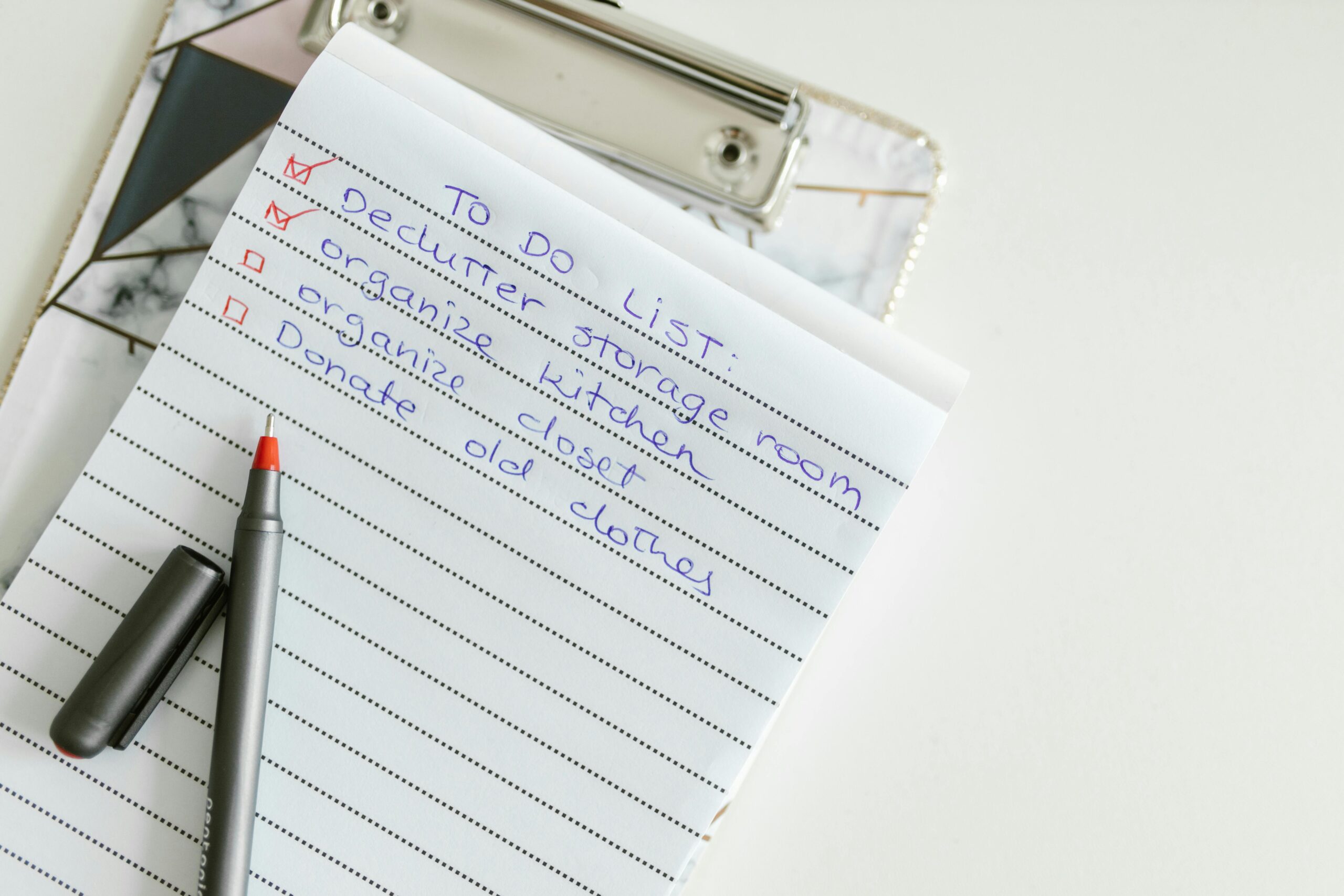
✨ Making It Effortless: Turning Rules Into Habits
The ultimate goal is making the one-in-one-out approach so automatic that it requires no conscious effort. This transformation from rule to habit takes time but proves incredibly freeing.
Start by creating physical reminders in acquisition zones—near your front door, in your car, at your desk. A simple note saying “What will this replace?” prompts the necessary consideration before items enter your home. Over time, this external reminder becomes internal dialogue.
Pair the new habit with existing routines. When you bring in groceries, scan for expired items to discard. When you receive mail, immediately recycle junk mail rather than letting it accumulate. These micro-habits reinforce the larger principle of maintaining balance.
Practice self-compassion when you slip up. Perfection isn’t the goal—sustainable improvement is. If you bring something new home without removing something old, simply correct it within a few days. The habit strengthens through consistent practice, not flawless execution.
The one-in-one-out declutter method transforms how you relate to your possessions and your space. It’s not about deprivation or strict minimalism—it’s about intentionality and balance. By implementing this simple rule consistently across your home, you’ll discover that maintaining organization becomes effortless rather than exhausting. Your space remains functional and peaceful without constant decluttering sessions. Most importantly, you’ll develop mindful consumption habits that serve you far beyond organized closets, creating financial freedom, mental clarity, and environmental consciousness that enriches every aspect of your life.