Meal prep has revolutionized how busy individuals approach weekly nutrition, but success hinges on one crucial factor: choosing the right containers. The perfect storage solution can mean the difference between fresh, appetizing meals and soggy disappointments.

Whether you’re a meal prep beginner or a seasoned pro looking to upgrade your system, understanding container selection fundamentals will transform your entire food preparation experience. The right picks preserve flavor, maintain texture, and make your weekly routine remarkably efficient.
🔍 Why Container Selection Makes or Breaks Your Meal Prep Success
Before diving into specific container types, it’s essential to understand why this choice matters so profoundly. Poor container selection leads to moisture accumulation, flavor transfer between foods, and premature spoilage. Your carefully prepared meals deserve storage solutions that protect quality and nutritional value throughout the week.
The container you choose directly impacts food safety, portion control accuracy, and storage space efficiency. When you master container selection, you’ll notice improved meal freshness, reduced food waste, and a streamlined refrigerator organization system that makes grabbing your prepared meals effortless.
Understanding the Core Container Categories 📦
The meal prep container market offers seemingly endless options, but they fall into several distinct categories. Each type serves specific purposes and excels with particular meal types. Understanding these categories empowers you to build a versatile collection that handles every meal prep scenario.
Glass Containers: The Premium Choice
Glass containers represent the gold standard for meal prep enthusiasts who prioritize durability and safety. These containers don’t absorb odors, stains, or chemicals, ensuring your tomato-based sauces won’t leave lasting marks. Glass withstands temperature extremes beautifully, transitioning seamlessly from freezer to oven.
The weight factor is the primary consideration with glass containers. They’re significantly heavier than plastic alternatives, which matters if you’re transporting multiple meals daily. However, the investment pays dividends through longevity—quality glass containers can last decades with proper care.
Plastic Containers: Lightweight Convenience
Modern BPA-free plastic containers offer remarkable convenience for meal preppers on the go. They’re lightweight, affordable, and come in countless shapes and sizes. The best plastic containers feature thick walls that resist warping and tight-sealing lids that prevent leaks during transport.
When selecting plastic containers, look for products labeled microwave-safe and dishwasher-safe. Quality matters significantly in this category—cheap plastic containers may warp after several heating cycles or develop cloudy appearances that make assessing food freshness difficult.
Stainless Steel: The Eco-Warrior’s Choice
Stainless steel containers appeal to environmentally conscious meal preppers seeking plastic-free alternatives. These durable containers resist dents, don’t retain flavors, and maintain food temperatures effectively. They’re particularly excellent for cold meal transport and outdoor activities.
The limitation with stainless steel involves microwave incompatibility. You’ll need to transfer food to microwave-safe dishes for reheating. Additionally, you cannot see contents without opening containers, which some find inconvenient when selecting meals from a packed refrigerator.
Matching Containers to Meal Types 🍱
Different meals require different storage approaches. Matching your container to your meal type ensures optimal freshness and presentation. This strategic approach prevents common meal prep disappointments like soggy salads or separated sauces.
Protein-Focused Meals
Grilled chicken, lean beef, fish, and other protein-centered dishes perform best in shallow, rectangular containers with secure lids. These containers allow proteins to cool quickly after cooking, preventing bacterial growth. Look for containers between 2-4 cups capacity for single-serving protein portions.
Divided containers work exceptionally well when pairing proteins with sides. The compartments prevent flavor mixing and moisture transfer, keeping your roasted vegetables crisp and your proteins properly textured. Glass containers particularly excel here, as they reheat proteins evenly without creating rubbery textures.
Salad and Fresh Vegetable Storage
Salads demand specialized container considerations to maintain crispness throughout the week. Wide, shallow containers with ventilation features prevent moisture accumulation that leads to wilting. Some advanced salad containers include elevated inserts that keep greens above excess moisture.
The dress-separate-store method requires containers with separate dressing compartments or small sauce containers. Never dress salads more than a few hours before consumption. Mason jars offer an alternative approach—layer dressing at bottom, followed by hearty vegetables, proteins, and delicate greens on top.
Soup, Stew, and Liquid-Based Meals
Liquid meals require containers with completely leak-proof seals. Look for containers with silicone gaskets in lids and secure locking mechanisms. Round containers waste less space with liquids and facilitate easier pouring than rectangular alternatives.
Leave adequate headspace in soup containers—liquids expand when frozen. For refrigerated storage, fill containers to about three-quarters capacity. Wide-mouth containers simplify reheating and cleaning, particularly important for thick stews and chilis that may stick to container sides.
Grain Bowls and Mixed Dishes
Grain-based meals like quinoa bowls, rice dishes, and pasta preparations thrive in medium-depth containers with 3-5 cup capacities. These containers accommodate the volume these ingredients require while maintaining reasonable stackability in your refrigerator.
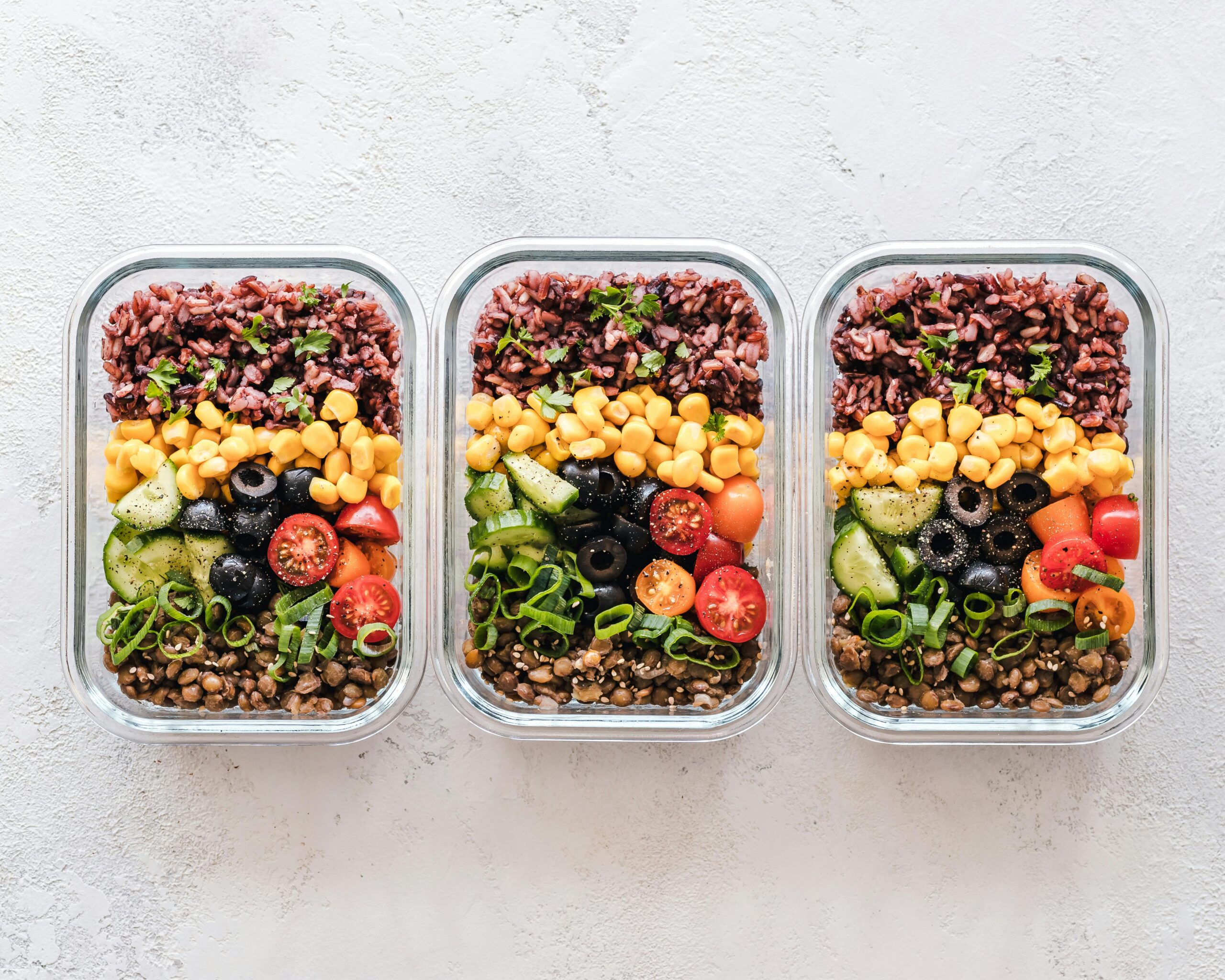
Compartmentalized containers excel for grain bowls where you want to keep components separate until eating. Store wet ingredients like sauces separately or in small attached compartments. This prevents grain absorption and texture degradation over storage time.
Essential Features That Elevate Container Performance ⭐
Beyond basic material and size considerations, specific features dramatically improve container functionality. Investing in containers with these characteristics ensures long-term satisfaction with your meal prep system.
Leak-Proof Sealing Technology
Nothing frustrates meal preppers more than discovering leaked contents inside bags or refrigerators. Quality sealing involves multiple elements: flexible silicone gaskets, properly designed lid-to-container interfaces, and secure locking mechanisms. Test seal quality before purchasing in bulk by filling a container with water, sealing it, and inverting it over a sink.
Stackability and Space Efficiency
Refrigerator real estate is precious. Containers designed with flat lids and uniform footprints stack securely without wasting vertical space. Nesting capability when empty is equally important—containers that nest inside each other dramatically reduce storage space requirements in your cabinets.
Transparent Construction
Being able to identify meal contents without opening containers saves time and reduces temperature fluctuations in your refrigerator. Transparent or translucent construction allows quick visual inventory of your prepared meals. If using opaque containers, implement a labeling system indicating contents and preparation dates.
Freezer-to-Microwave Capability
Versatile containers handle temperature extremes without cracking or warping. This flexibility allows you to prep and freeze meals in advance, then reheat directly without transferring between containers. Ensure containers are explicitly labeled for this purpose—not all microwave-safe containers tolerate freezer temperatures.
Building Your Perfect Container Collection 🎯
Rather than purchasing massive container sets with sizes you’ll never use, build a customized collection based on your specific meal prep habits. This strategic approach saves money and storage space while ensuring you always have appropriate containers available.
The Starter Collection
New meal preppers should begin with a basic collection covering fundamental needs. Purchase 5-7 containers in the 3-4 cup range for main meals, 3-5 smaller containers (1-2 cups) for sides or snacks, and 2-3 larger containers (6-8 cups) for batch cooking storage. This foundation handles most weekly meal prep scenarios.
Specialized Container Additions
As your meal prep routine solidifies, add specialized containers addressing specific needs. Salad containers with dressing compartments, bento-style boxes with multiple compartments, and small sauce containers enhance your system. Purchase these additions only after identifying genuine needs in your routine.
Maintenance Practices That Extend Container Lifespan 🧼
Proper care dramatically extends container longevity and maintains food safety standards. Different materials require different maintenance approaches, but several universal principles apply across all container types.
Wash containers immediately after emptying when possible. Food residue becomes increasingly difficult to remove as it dries and sets. Use warm soapy water and soft sponges—abrasive scrubbers scratch containers, creating grooves where bacteria hide. Pay special attention to lid seals and gaskets where food particles accumulate.
Periodically deep clean containers showing discoloration or odor retention. Baking soda paste removes many stains naturally, while white vinegar eliminates lingering smells. For stubborn odors in plastic containers, fill with water and add several tablespoons of baking soda, then let sit overnight before washing.
Store containers with lids off or loosely placed to promote air circulation and prevent musty odors. This practice also preserves gasket elasticity by preventing compression over long periods. Nest containers efficiently but avoid forcing tight stacks that stress lid mechanisms.
Safety Considerations Every Meal Prepper Must Know ⚠️
Food safety extends beyond proper cooking and refrigeration—your containers play a crucial role in preventing foodborne illness. Understanding and implementing safety best practices protects your health and maximizes meal quality.
Never use damaged containers for food storage. Cracks, chips, and deep scratches harbor bacteria that standard washing cannot eliminate. Replace compromised containers immediately, particularly those showing wear around sealing surfaces. The small cost of replacement far outweighs the risk of food contamination.
Respect temperature danger zones when filling containers with freshly cooked food. Allow hot foods to cool for 20-30 minutes before sealing and refrigerating, but don’t leave them at room temperature longer than two hours. Shallow containers facilitate faster cooling, reducing the time food spends in dangerous temperature ranges.
Label containers with preparation dates using removable labels or erasable markers. Most prepared meals maintain quality for 3-4 days refrigerated, while frozen meals last 2-3 months. A simple labeling system prevents consuming expired food and helps rotate meals appropriately.
Budget-Friendly Container Solutions That Don’t Compromise Quality 💰
Quality meal prep containers represent an investment, but you don’t need premium prices for effective solutions. Strategic shopping and smart compromises deliver excellent results without breaking your budget.
Start with mid-range containers in your most-used sizes rather than buying complete premium sets. Many affordable brands offer durability comparable to premium options, particularly in standard rectangular shapes. Read reviews focusing on seal quality and longevity rather than brand recognition.
Mix and match materials based on specific uses. Invest in glass for reheating and long-term storage while using affordable plastic for cold items like salads and snacks. This hybrid approach optimizes your budget without sacrificing functionality where it matters most.
Watch for seasonal sales at kitchen stores and online retailers. Post-holiday periods often feature significant discounts on storage solutions. Buying during these windows can slash costs by 30-50% compared to regular pricing.
Troubleshooting Common Container Challenges 🔧
Even with quality containers, certain issues arise during regular meal prep routines. Understanding how to address these challenges prevents frustration and food waste.
When containers develop lingering odors despite washing, create a solution of one part white vinegar to four parts water, fill containers, and let soak for several hours. For particularly stubborn smells, crumple newspaper inside the dry container and seal overnight—the paper absorbs odors effectively.
Staining from tomato-based sauces plagues plastic containers especially. Prevent stains by lightly coating container interiors with cooking spray before adding tomato-heavy meals. For existing stains, make a paste from baking soda and water, apply to stains, and let sit for several hours before scrubbing.
If lids lose their seal effectiveness over time, check gaskets for damage or displacement. Many quality containers sell replacement gaskets separately. Clean gasket channels thoroughly, as food residue buildup often causes seal failure before actual gasket damage occurs.
Transform Your Meal Prep Game Starting Today 🚀
Mastering container selection elevates meal prep from basic food storage to an efficient, enjoyable system that supports your health goals. The right containers preserve quality, simplify organization, and make healthy eating remarkably convenient throughout busy weeks.
Begin by assessing your current container situation honestly. Discard damaged pieces, identify gaps in your collection, and prioritize replacements based on your specific meal types and frequency. A thoughtful container system pays dividends through reduced waste, better meal quality, and streamlined kitchen routines.
Remember that perfect container selection is personal—your ideal system reflects your cooking style, storage space, and lifestyle needs. Experiment with different options, learn from what works, and continuously refine your collection. The investment in proper containers ranks among the most impactful improvements you can make to your meal prep success.
Your journey to meal prep mastery starts with smart container choices. Armed with this comprehensive understanding of container types, features, and selection strategies, you’re equipped to build a system that keeps your prepared meals fresh, organized, and ready to fuel your success all week long.