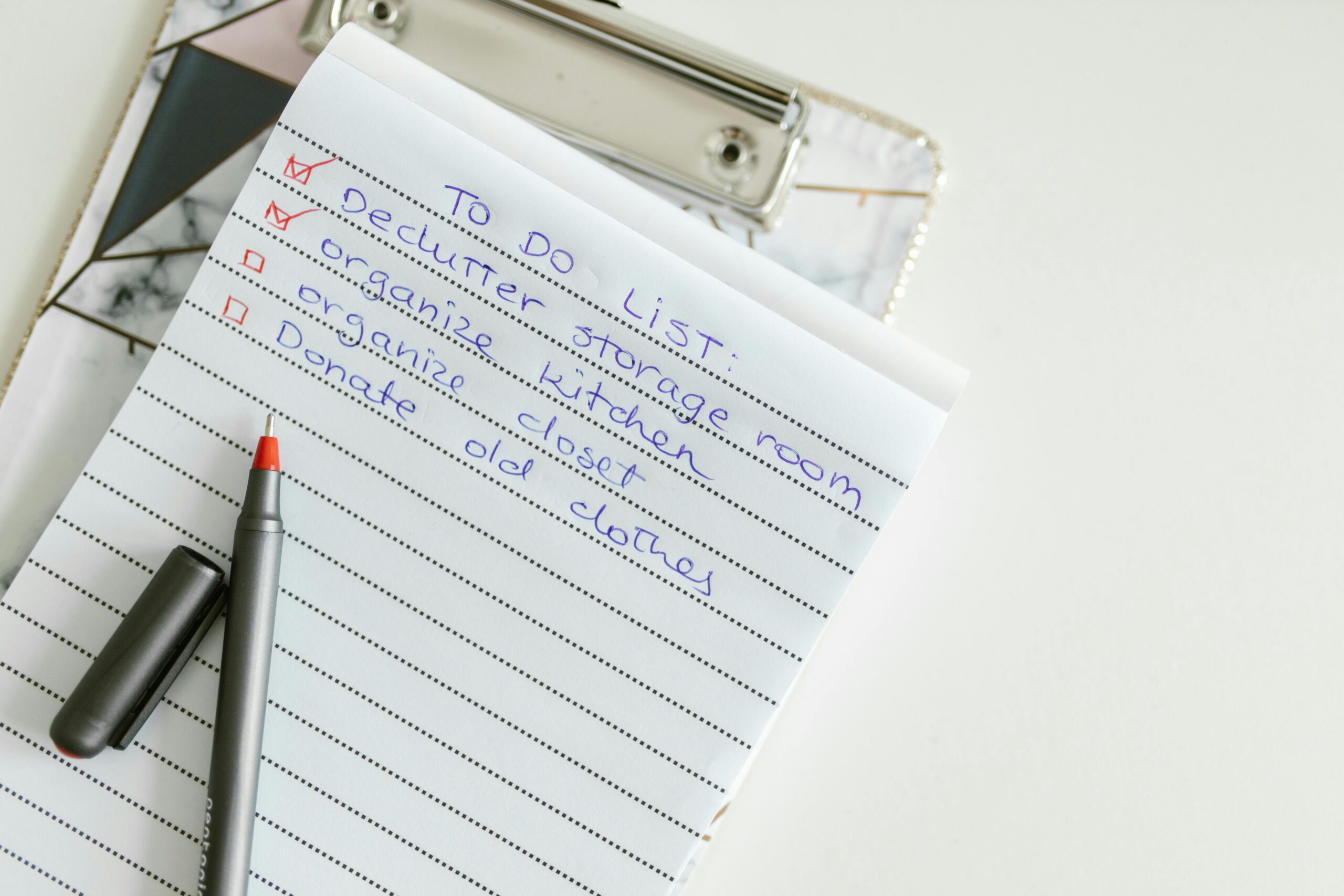
A chaotic pantry can turn meal planning into a stressful guessing game. Creating a comprehensive pantry inventory mapping system transforms your kitchen into an organized, efficient space where everything has its place and nothing goes to waste.

Whether you’re a busy parent juggling family meals, a meal prep enthusiast, or simply someone tired of buying duplicate items, mastering your pantry organization can revolutionize your cooking routine and save you significant time and money. The secret lies in implementing a strategic inventory mapping template that works with your lifestyle.
🗂️ Why Your Kitchen Needs an Inventory Mapping System
Most households waste hundreds of dollars annually on expired food and duplicate purchases simply because they don’t know what’s hiding in their pantry. An inventory mapping template solves this problem by creating a visual and written record of everything you own, where it’s located, and when it expires.
The benefits extend far beyond just knowing what you have. A well-organized pantry inventory reduces decision fatigue during meal planning, streamlines grocery shopping, minimizes food waste, and helps you maintain optimal stock levels of essential items. You’ll spend less time searching for ingredients and more time enjoying the cooking process.
Additionally, having a comprehensive inventory system proves invaluable during emergencies or unexpected situations. You’ll always know exactly what resources you have available, making it easier to create meals from existing supplies without last-minute store runs.
📋 Essential Components of an Effective Pantry Inventory Template
A functional pantry inventory template needs several key elements to be truly effective. Your template should include item names, categories, quantities, storage locations, purchase dates, and expiration dates. These components work together to create a complete picture of your pantry ecosystem.
Item Categories That Make Sense
Organizing your inventory by logical categories makes finding items exponentially easier. Consider dividing your pantry into sections like grains and pasta, canned goods, baking supplies, spices and seasonings, snacks, breakfast items, oils and condiments, and specialty ingredients.
Within each category, you can create subcategories for even greater precision. For example, under grains and pasta, you might separate rice varieties, different pasta shapes, quinoa, and other whole grains. This hierarchical structure mirrors how your physical pantry should be organized.
Location Mapping for Quick Retrieval
The mapping component is what transforms a simple list into a powerful organizational tool. Assign specific zones, shelves, or containers to different categories. Document these locations in your template so anyone in your household can find exactly what they need.
Use a simple coding system like “Shelf 1A” or “Container-Baking” to reference locations. You can even create a visual diagram of your pantry layout and label each section, then reference these labels in your inventory spreadsheet for seamless coordination.
🛠️ Creating Your Custom Pantry Inventory Template
Building your inventory template can be done using various methods, from simple pen-and-paper systems to sophisticated digital spreadsheets and specialized apps. The best choice depends on your technical comfort level and how frequently you want to update your inventory.
Digital Spreadsheet Solutions
Spreadsheet programs like Microsoft Excel, Google Sheets, or Apple Numbers offer excellent flexibility for creating pantry inventories. Start by creating columns for item name, category, quantity, unit of measurement, location, purchase date, expiration date, and notes.
Format your spreadsheet with filters and sorting capabilities so you can quickly view items by category, expiration date, or location. Use conditional formatting to highlight items approaching their expiration dates, making it easy to spot what needs to be used soon.
Consider adding columns for minimum stock levels and reorder points. When quantities drop below these thresholds, you’ll know it’s time to add items to your shopping list. This proactive approach prevents frustrating moments when you discover you’re out of essential ingredients mid-recipe.
Mobile Apps for Real-Time Inventory Management
Several smartphone applications specialize in pantry inventory management, offering features like barcode scanning, automatic expiration tracking, recipe integration, and shopping list generation. These apps sync across devices, allowing all household members to access and update the inventory in real-time.
Popular options include dedicated pantry management apps that let you photograph items, scan barcodes for automatic entry, set expiration reminders, and even suggest recipes based on available ingredients. The convenience of updating your inventory while putting away groceries makes these digital solutions particularly appealing.
📊 Setting Up Your Initial Pantry Audit
Creating your inventory starts with a thorough audit of everything currently in your pantry. Set aside a few hours for this initial setup—it’s a time investment that pays dividends for months to come.
Remove everything from your pantry shelves and group similar items together. This process helps you discover hidden duplicates, expired products, and items you forgot you owned. Discard anything past its expiration date or showing signs of spoilage.
As you audit, clean your pantry shelves and assess your storage solutions. This is the perfect opportunity to add shelf risers, lazy Susans, clear containers, or labels that will make maintaining your system easier moving forward.
Recording Your Inventory Efficiently
Work through one category at a time, recording each item in your template. For packaged goods, note the expiration or best-by date. For bulk items transferred to containers, use the purchase date to estimate freshness.
Take photos of your pantry sections after organizing them. These visual references complement your inventory template and help you maintain the system over time. You can also photograph product labels for items you frequently repurchase, ensuring you buy the correct brand or variety.
🔄 Maintaining Your Pantry Inventory System
The most brilliant inventory system fails if you don’t maintain it regularly. Establishing simple routines makes updates feel effortless rather than overwhelming.
The After-Shopping Update Ritual
Immediately after grocery shopping, update your inventory before putting items away. This takes just a few minutes but keeps your system current. Scan or enter new items, update quantities for restocked products, and note new expiration dates.
Make this process easier by keeping your inventory device or notebook in the kitchen. If using a digital system, bookmark the inventory page or keep the app on your phone’s home screen for quick access.
Weekly Review and Rotation
Dedicate 10-15 minutes weekly to reviewing your inventory and physically checking your pantry. This brief maintenance session helps you catch discrepancies, plan meals around items needing to be used soon, and identify what should go on next week’s shopping list.
Practice first-in, first-out rotation by moving older items to the front of shelves and placing new purchases behind them. Update consumed items in your inventory regularly—some people prefer daily quick updates, while others do a comprehensive review weekly.
💡 Advanced Strategies for Power Users
Once you’ve mastered basic inventory management, these advanced techniques can further optimize your pantry organization system.
Integration with Meal Planning
Connect your pantry inventory with your meal planning process for maximum efficiency. When planning weekly menus, reference your inventory to incorporate ingredients you already have, reducing grocery costs and preventing waste.
Some inventory apps integrate directly with recipe databases, allowing you to check if you have all necessary ingredients for a specific dish. This feature eliminates the frustration of starting a recipe only to discover you’re missing a key component.
Seasonal Inventory Management
Adjust your inventory approach seasonally. During holidays or special occasions, you might stock up on baking supplies or specific ingredients. Create seasonal sections in your template to track these temporary expansions without cluttering your everyday inventory.
Similarly, adjust minimum stock levels seasonally. You might keep more soup ingredients during winter or grilling supplies during summer. Your inventory template should flex with your changing needs throughout the year.
🎯 Common Pitfalls and How to Avoid Them
Even with the best intentions, certain challenges can derail your pantry organization efforts. Being aware of common mistakes helps you avoid them from the start.
Overcomplicating the System
The most common failure point is creating an overly complex system that becomes burdensome to maintain. Start simple with basic categories and essential information. You can always add complexity later if needed, but beginning with an intimidating system often leads to abandonment.
Don’t track every individual item if that feels overwhelming. Some people prefer tracking categories and quantities rather than individual products. Find the level of detail that balances usefulness with maintainability for your situation.
Failing to Involve the Household
If you’re the only person maintaining the inventory in a multi-person household, the system will quickly become inaccurate. Train family members or roommates on how to update the inventory when they consume items or put away groceries.
Make the process as simple as possible for everyone. If using a digital system, ensure all adults have access. Consider a simple paper checklist for children to mark off items they use, which you can transfer to the main inventory later.
📱 Technology Tools That Enhance Inventory Management
Beyond dedicated pantry apps, several technology tools can support your inventory management efforts and make the process more seamless.
Barcode scanning apps can quickly capture product information, eliminating manual data entry. Some grocery store apps maintain purchase histories, which you can reference when building your initial inventory or determining how frequently you use certain items.
Smart home assistants can also play a role. You can verbally add items to your shopping list or set reminders about expiring products. Voice commands make updating your system possible even when your hands are busy with cooking or cleaning.
🌟 Transforming Your Kitchen Experience
A well-maintained pantry inventory mapping template does more than organize your food—it transforms your entire kitchen experience. You’ll find yourself cooking more often because you know exactly what ingredients you have available.
Financial benefits become apparent quickly. Studies show that households with organized pantries waste up to 50% less food than disorganized ones. You’ll stop buying duplicate items and use what you have before it expires, directly impacting your grocery budget.
The mental clarity that comes from pantry organization shouldn’t be underestimated. Knowing your kitchen is systematically managed reduces stress and creates space for culinary creativity rather than frantic searching and last-minute shopping trips.
🚀 Getting Started Today
The perfect time to begin your pantry inventory journey is right now. You don’t need to complete everything in one session—even starting with a single category or shelf moves you forward.
Choose your inventory method based on what you’ll actually use consistently. If you love spreadsheets, start there. If you’re always on your phone, try a dedicated app. If pen and paper feel most natural, begin with a simple notebook system.
Remember that your template will evolve over time. The initial version doesn’t need to be perfect—it needs to be started. You’ll discover what works for your household and adjust accordingly. The key is taking that first step toward a more organized, efficient, and stress-free kitchen.
Within a few weeks of implementing your pantry inventory system, you’ll wonder how you ever managed without it. The time invested in setup and maintenance returns to you multiplied through easier meal planning, reduced waste, lower grocery bills, and the simple pleasure of a beautifully organized space.
Master your kitchen by mastering your pantry inventory. The ultimate mapping template isn’t a rigid system imposed from outside—it’s the customized approach that fits seamlessly into your life, making kitchen management feel effortless rather than exhausting. Start small, stay consistent, and watch as your organized pantry transforms your entire cooking experience.