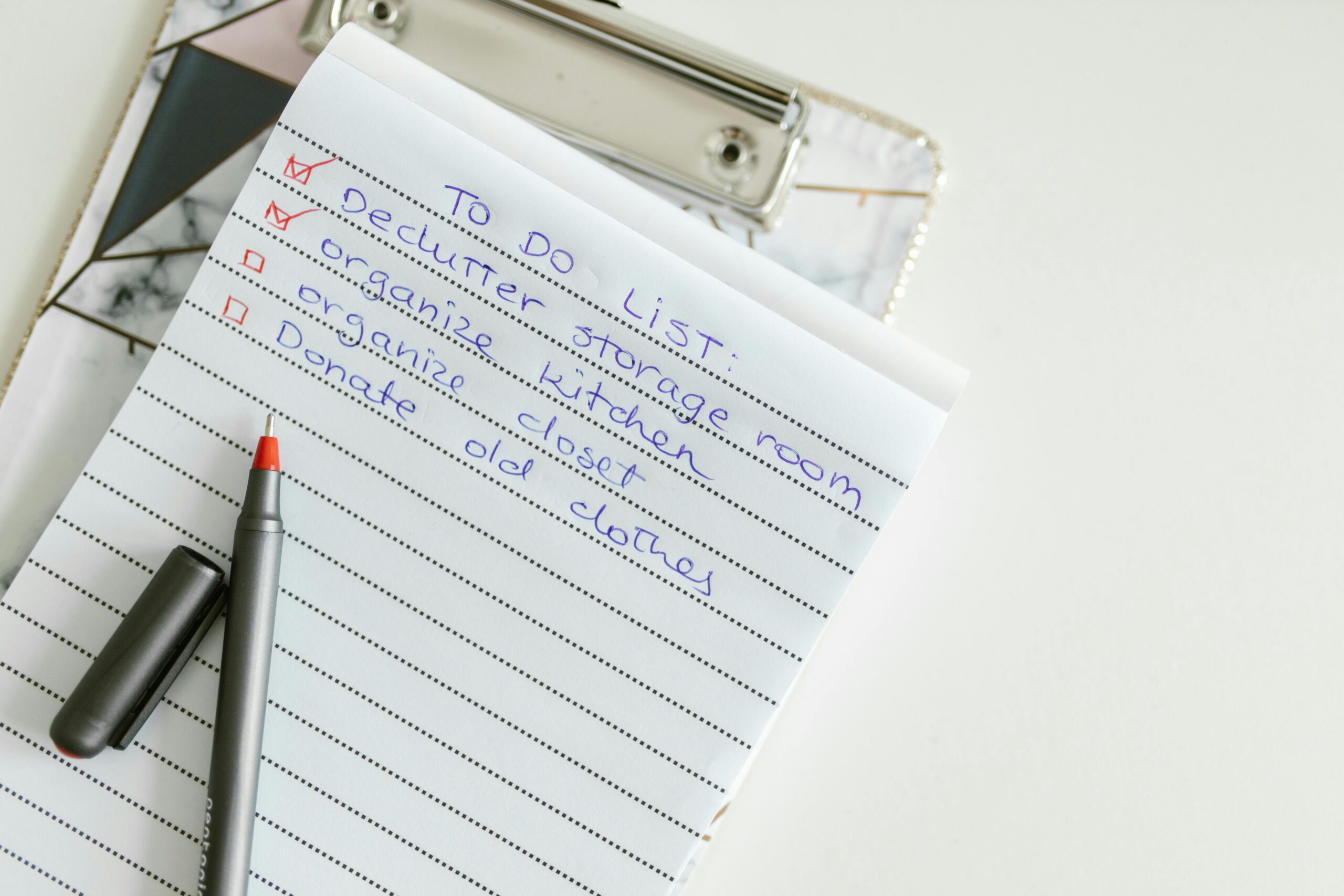
Living in a cluttered home can drain your energy and productivity. A systematic cabinet-by-cabinet audit is the foundation for creating organized, functional spaces that truly work for your lifestyle.

Every home contains dozens of storage spaces that gradually become catch-alls for forgotten items, duplicates, and things we no longer need. The challenge isn’t just about having enough space—it’s about using the space you already have efficiently. A comprehensive cabinet audit transforms chaotic storage areas into streamlined systems that save you time, money, and mental energy every single day.
🎯 Why a Cabinet Audit Changes Everything
Most people organize their homes reactively, dealing with messes as they become unbearable. This approach keeps you trapped in a cycle of temporary fixes rather than creating lasting solutions. A cabinet-by-cabinet audit takes a different approach entirely.
When you systematically evaluate every storage space in your home, you discover patterns about your habits, needs, and the disconnect between how you want to live and how your spaces are currently set up. You’ll find items stored in illogical locations, duplicates hiding in different cabinets, and valuable real estate wasted on things you never use.
This process isn’t about perfection or maintaining magazine-worthy spaces. It’s about creating functional systems that reduce daily friction and make your home work harder for you. The efficiency gains compound over time—minutes saved daily become hours saved monthly.
🔍 Preparing for Your Cabinet Audit Journey
Success begins with proper preparation. Before touching a single cabinet, gather your supplies and set realistic expectations. You’ll need garbage bags, donation boxes, cleaning supplies, labels, a notebook or digital device for notes, and measuring tape for assessing dimensions.
Schedule dedicated time blocks rather than attempting everything at once. A thorough audit of an average home takes 10-15 hours spread across multiple sessions. Trying to rush through causes decision fatigue and poor choices about what to keep or discard.
Establish clear criteria for evaluating items before you begin. Common frameworks include the one-year rule (if you haven’t used it in a year, it goes), condition assessment (broken or damaged items rarely deserve space), and duplicate elimination (keeping only the number you actually need).
📋 The Ultimate Cabinet Audit Template
A structured template keeps you focused and ensures consistency across all storage areas. This framework adapts to any cabinet type while capturing the essential information needed for optimization.
Cabinet Identification and Current State
Begin each audit by documenting the cabinet location, type, and current purpose. Note the dimensions, existing organization tools (shelves, dividers, containers), and general condition. Take before photos—these become powerful motivation as you progress and valuable references for future adjustments.
Assess the current accessibility. Can you easily reach all areas? Do items fall out when you open the door? Is there wasted vertical space? These observations highlight immediate opportunities for improvement.
Complete Contents Inventory
Remove everything from the cabinet completely. This step is non-negotiable. You cannot accurately assess what you have while items remain stacked and hidden. As you remove items, group similar things together on a nearby surface.
Create an inventory list that includes item categories, quantities, condition, and frequency of use. This list becomes your decision-making tool. Seeing “23 food storage containers” written down has a different impact than noticing them gradually while rummaging through a cabinet.
Critical Evaluation Questions
For each item or category, ask yourself these essential questions:
- When did I last use this item?
- Do I have duplicates that serve the same purpose?
- Is this the most logical location for this item based on where I use it?
- Is this item in good working condition?
- Would I buy this again today if I didn’t already own it?
- Does keeping this item align with my current lifestyle and goals?
These questions cut through emotional attachment and sunk-cost fallacy, helping you make objective decisions about what truly deserves space in your home.
🏠 Room-by-Room Cabinet Audit Strategy
Kitchen Cabinets: The High-Impact Zone
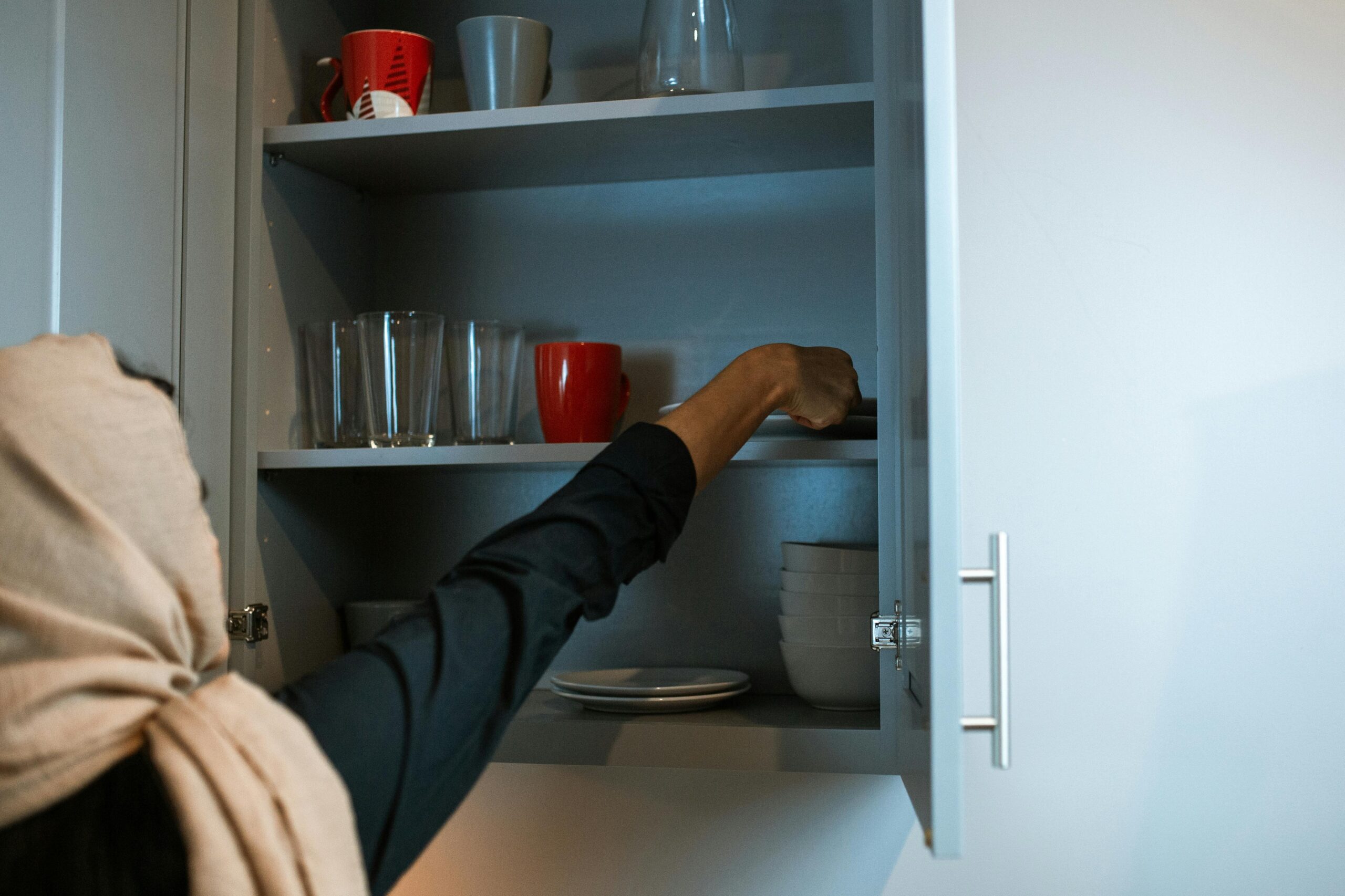
Kitchen cabinets often yield the most dramatic improvements because we use this space multiple times daily. Start with your most-used cabinets—typically those near the stove, sink, and primary prep areas.
Evaluate your dishes and glasses first. Most households own far more than needed. A good rule: keep enough for your household plus 25% for guests, assuming you run the dishwasher regularly. Everything beyond this creates clutter without adding value.
Food storage containers are notorious space-wasters. Match all containers with lids, recycling orphaned pieces immediately. Nest containers by size and store lids separately in a dedicated organizer. This simple change can reclaim 30-40% of cabinet space.
Assess your small appliances honestly. That bread maker gathering dust represents wasted space and mental clutter. If you haven’t used an appliance in six months, it’s taking up premium real estate that could serve you better.
Bathroom Cabinets: Conquering the Chaos
Bathroom cabinets become dumping grounds for expired medications, half-used beauty products, and hotel toiletries we’ll never use. Begin by checking expiration dates on all medications, ointments, and cosmetics. Many people are shocked to discover products that expired years ago.
Group remaining items by category: first aid, daily medications, hair care, skincare, oral care, and so on. This reveals duplicates and helps you create zones within your storage. Store daily-use items at eye level and occasional-use items higher or lower.
Under-sink bathroom cabinets present unique challenges due to plumbing. Maximize this space with stackable drawers or slide-out organizers designed to fit around pipes. Reserve this area for cleaning supplies and backup stock rather than daily-use items.
Bedroom Closets and Cabinets: Personal Space Optimization
Bedroom storage failures often stem from seasonal items taking up year-round space. During your audit, separate clothing and items by season, storing off-season items in less accessible areas or under-bed storage.
Evaluate your wardrobe with a critical eye. The 80/20 rule applies strongly here—most people wear 20% of their clothes 80% of the time. Items you haven’t worn in a year (accounting for season) are taking up valuable space without serving you.
Drawer dividers transform chaotic drawers into functional systems. Assign each drawer or section a specific purpose: daily accessories, special occasion items, undergarments, etc. This organization makes morning routines faster and reduces decision fatigue.
Utility and Storage Cabinets: Hidden Potential
Linen closets, coat closets, and utility cabinets often become “miscellaneous” dumping grounds. Your audit should assign clear purposes to these spaces and remove anything that doesn’t align with that purpose.
Linen closets work best when organized by type (sheets, towels, tablecloths) and frequency of use. Store one or two backup sets for each bed; more than this creates unnecessary bulk. Use shelf dividers to prevent towel avalanches.
Hall and coat closets should contain only current-season outerwear and frequently-used items. Vacuum cleaner storage, winter gear in summer, and random storage boxes don’t belong here—they belong in dedicated utility spaces.
✅ Implementing Your Audit Findings
Data without action creates zero change. Once you’ve completed audits for all cabinets, compile your findings into an action plan prioritized by impact and effort required.
The Four-Box Sorting System
As you audit each cabinet, sort items into four categories: Keep (items staying in this cabinet), Relocate (items moving to a better location), Donate/Sell (usable items you don’t need), and Trash (broken, expired, or unusable items).
Process the Trash box immediately—no need to think twice about these items. Schedule donation drop-offs within 48 hours before you reconsider keeping things. Relocate items should move to their new homes during the same session when possible.
Strategic Organization Solutions
After decluttering, assess what organizational tools would genuinely help. Resist the urge to buy containers before auditing—you often need less than expected after reducing contents. Measure spaces carefully and choose solutions that maximize vertical space.
Drawer dividers, shelf risers, lazy Susans, pull-out baskets, and door-mounted storage can dramatically improve cabinet functionality. However, these tools work only when cabinets contain appropriate amounts of appropriate items. Organization systems don’t fix overcrowding.
📊 Tracking Your Audit Progress
Maintaining momentum across multiple audit sessions requires tracking progress visibly. Create a simple checklist of all cabinets in your home, checking them off as you complete each one. This visual progress is surprisingly motivating.
Consider creating a simple tracking table for accountability:
| Cabinet Location | Audit Date | Items Removed | Organization Added | Time Invested |
|---|---|---|---|---|
| Kitchen Upper Left | March 15 | 12 items donated, 5 trashed | Shelf riser, labels | 45 minutes |
| Master Bath Under Sink | March 16 | 8 expired products, 3 donated | Slide-out drawer | 30 minutes |
This documentation helps you see cumulative impact and identifies time-intensive cabinets that might need different strategies or professional help.
🔄 Creating Sustainable Cabinet Systems
The ultimate goal isn’t a one-time organization project but sustainable systems that maintain themselves with minimal effort. This requires thinking beyond the initial audit to how spaces will function long-term.
The One-In-One-Out Rule
Prevent re-cluttering by implementing a simple rule: when something new enters a category, something old leaves. Buy a new coffee mug? Donate an existing one. This maintains equilibrium without conscious effort.
This rule works particularly well for clothes, kitchen items, books, and toiletries—categories that tend to accumulate gradually. It forces intentional consumption rather than mindless acquisition.
Quarterly Quick Audits
Schedule 15-minute quarterly reviews of each major storage area. These aren’t full audits but maintenance checks to catch problems before they become overwhelming. Remove anything that doesn’t belong, check for expired items, and adjust organization tools as needed.
Calendar reminders or seasonal markers (first day of each season) help establish this as a routine rather than something you have to remember. These brief check-ins prevent the need for major overhauls down the road.
💡 Advanced Optimization Techniques
Vertical Space Maximization
Most cabinets waste 30-50% of available vertical space. Shelf risers, stackable containers, and hanging organizers reclaim this unused real estate. In kitchen cabinets, risers double your usable space for canned goods and dishes.
Adjustable shelving provides flexibility to customize heights based on what you’re actually storing. If your cabinets have fixed shelves, after-market shelf risers and under-shelf baskets create additional levels.
Zone-Based Organization
Group items by use-case rather than just type. Create a “coffee station zone” with mugs, filters, and sweeteners together rather than separating by category. Build a “breakfast zone” with cereals, bowls, and morning supplements in one area.
This functional zoning reduces steps and decision-making during daily routines. You’re not hunting through multiple cabinets; everything needed for a specific task lives together.
Visual Management Systems
Clear containers and labels eliminate guesswork. You can see contents at a glance and know exactly where things belong when putting them away. This dramatically reduces the mental load of maintaining organization.
Label even obvious containers. Labels aren’t just for you—they enable everyone in your household to maintain systems independently. When everything has a designated home, that’s clearly marked, maintaining organization becomes nearly effortless.
🎁 The Long-Term Benefits of Cabinet Auditing
The immediate satisfaction of organized cabinets is wonderful, but the long-term benefits extend far beyond aesthetics. You’ll stop buying duplicates of items you already own but couldn’t find. You’ll waste less food because you can actually see what you have. You’ll spend less time searching for things and more time doing what matters.
Financial benefits often surprise people. The average household discovers $200-500 worth of forgotten items, redundant purchases, and wasted products during a thorough audit. Those who implement strong systems typically reduce household spending by 10-15% simply by using what they have.
Mental clarity represents perhaps the greatest benefit. Visual clutter creates mental clutter. When you know exactly what you own and where everything lives, you free up mental energy for more important decisions. Your home becomes a source of calm rather than stress.
🚀 Starting Your Cabinet Audit Today
The best time to start auditing your cabinets was six months ago. The second-best time is right now. Don’t wait for a free weekend or perfect circumstances—start with one cabinet during a 30-minute window today.
Choose a small, high-impact cabinet for your first audit. A bathroom medicine cabinet or single kitchen cabinet provides quick wins that build momentum. Experience the process on a manageable scale before tackling larger, more challenging spaces.
Remember that progress beats perfection. An imperfect cabinet audit that actually happens creates infinitely more value than a perfect plan that never gets implemented. Give yourself permission to start messy, learn as you go, and improve your process with each cabinet.
Your home contains finite space but infinite potential for optimization. A systematic cabinet-by-cabinet audit unlocks that potential, transforming how you interact with your living environment every single day. The investment of time and mental energy pays dividends for years through increased efficiency, reduced stress, and a home that truly supports your best life. Start today with one cabinet, and watch the transformation ripple through your entire home.