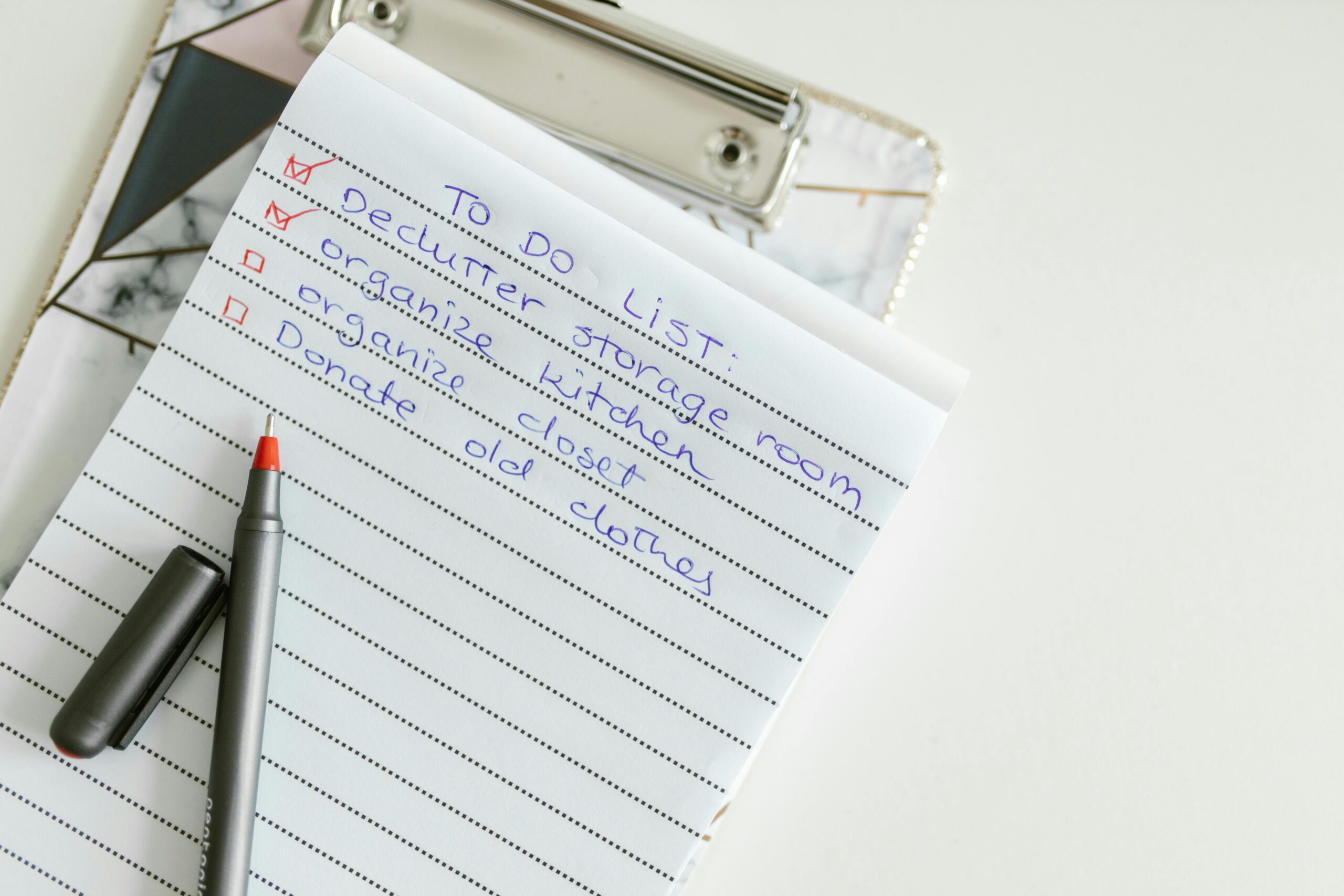
Struggling to find what you need in your freezer? A well-organized freezer saves time, reduces food waste, and makes meal planning effortless. Discover how a simple bin mapping template can transform your frozen food storage.

Every household faces the same frustrating scenario: digging through layers of frozen packages, ice-covered containers, and mystery items wrapped in foil. The average person spends nearly 10 minutes searching for items in a disorganized freezer, and families often throw away perfectly good food simply because it got lost in the back. This isn’t just inconvenient—it’s costly and wasteful. A strategic approach to freezer organization can revolutionize your kitchen efficiency, and that’s where a bin mapping template becomes your secret weapon.
🧊 Why Freezer Organization Matters More Than You Think
Beyond the obvious convenience factor, proper freezer organization impacts multiple aspects of your household management. When you know exactly where everything is located, you reduce the time your freezer door stays open, which maintains consistent temperatures and lowers energy costs. Studies show that organized freezers can reduce electricity consumption by up to 15% simply by minimizing door-open time and improving air circulation.
Food waste represents another significant concern. The average family discards approximately $1,500 worth of food annually, with a substantial portion coming from forgotten freezer items. When you can’t see what you have, you can’t use it. A bin mapping system ensures every item has a designated location, making inventory management as simple as glancing at your map.
Health and safety considerations also come into play. Proper organization helps you track purchase dates and maintain a first-in, first-out rotation system. This prevents freezer burn, maintains food quality, and ensures you’re consuming items within their optimal freshness window.
📋 Understanding the Bin Mapping Template Concept
A bin mapping template is essentially a visual guide that assigns specific categories of food to designated zones or bins within your freezer. Think of it as a blueprint for your frozen food storage. This simple yet powerful tool eliminates guesswork and creates a systematic approach to freezer management that anyone in your household can follow.
The template works by dividing your freezer into labeled sections, with each bin or zone dedicated to specific food categories. Whether you have a chest freezer, upright freezer, or standard refrigerator-freezer combination, the mapping principle adapts to your specific layout and storage needs.
Components of an Effective Mapping System
A comprehensive bin mapping template includes several key elements that work together seamlessly. First, you’ll need a visual diagram of your freezer’s layout, whether that’s a top-down view for chest freezers or a front-facing diagram for upright models. This diagram shows the physical location of each bin or section.
Second, category labels identify what belongs in each designated area. Common categories include:
- Proteins (beef, chicken, fish, pork)
- Prepared meals and leftovers
- Vegetables and fruits
- Bread and baked goods
- Ice cream and desserts
- Breakfast items
- Meal prep ingredients
- Kids’ snacks and lunch items
Third, your template should include a color-coding system that makes identification even faster. Visual cues help family members quickly locate items without reading every label, especially useful when you’re in a hurry or have your hands full.
🎯 Creating Your Personalized Freezer Bin Mapping Template
The beauty of a bin mapping template lies in its customization potential. Every household has different needs, eating patterns, and freezer sizes. Your template should reflect your unique lifestyle and food storage requirements.
Step One: Assess Your Freezer Space
Begin by emptying your freezer completely—yes, everything. This might seem daunting, but it’s essential for accurate planning. Use coolers with ice packs to temporarily store frozen items while you work. Measure your freezer’s dimensions, noting any shelves, drawers, or compartments. Take photos from multiple angles to reference when designing your map.
Count how many bins or containers you can realistically fit. Standard chest freezers typically accommodate 6-8 medium-sized bins, while upright freezers might use a combination of bins and baskets across multiple shelves. Door storage shouldn’t be overlooked—this prime real estate works perfectly for frequently accessed items.
Step Two: Analyze Your Frozen Food Inventory
As you handle each item during your freezer cleanout, categorize them. Create a quick inventory list noting what you have, quantities, and how frequently you use each category. This data-driven approach ensures your mapping template reflects actual usage patterns rather than idealized scenarios.
You might discover that your family goes through frozen vegetables quickly but rarely touches that bulk bag of chicken wings. This information determines bin sizes and prime location assignments. High-frequency items deserve the most accessible spots, while occasional-use items can occupy less convenient areas.
Step Three: Design Your Template Layout
Using your measurements and inventory analysis, sketch your freezer layout. You can use traditional pen and paper, spreadsheet software, or specialized organization apps. The key is creating something visual and easy to reference.
Assign each category to a specific bin or zone based on your findings. Consider these strategic placement principles:
- Place everyday items at eye level or in front sections
- Store bulk purchases and backup supplies in lower or rear areas
- Keep similar items together for efficient meal planning
- Reserve drawer space for flat items like pizza or frozen meals
- Use door storage for small, frequently grabbed items
🏷️ Implementing Your Freezer Organization System
With your template designed, implementation transforms theory into practice. Invest in quality freezer-safe bins that fit your dimensions. Clear containers work exceptionally well because they allow visual scanning without opening each bin. Look for stackable options to maximize vertical space, and choose bins with handles for easy removal from chest freezers.
Label everything clearly using waterproof labels or a label maker. Include both the category name and, if helpful, examples of what belongs there. For instance, “PROTEINS: Chicken, Beef, Fish, Pork” eliminates any confusion. Some households benefit from adding date ranges to labels, especially for meal prep areas.
The Power of Visual Mapping
Print or digitally display your completed map in a prominent location—typically on the freezer door or nearby wall. Laminating paper versions protects them from moisture and wear. Make the map colorful and engaging so family members actually reference it rather than ignoring another posted household rule.
Consider creating a digital version stored on your phone for grocery shopping reference. Knowing exactly what you have and where it’s located prevents duplicate purchases and helps you spot gaps in your inventory while at the store.
🔄 Maintaining Your Organized Freezer System
Organization isn’t a one-time project—it requires consistent maintenance. Schedule monthly freezer reviews where you check inventory, remove expired items, and ensure everything remains in its designated location. These 15-minute sessions prevent the gradual chaos that undermines even the best organizational systems.
Create a simple inventory tracking method that works for your lifestyle. Some people maintain a whiteboard list on the freezer, noting items as they’re added and erasing them when used. Others prefer digital solutions like spreadsheets or inventory apps that sync across family devices.
Training Your Household
The most brilliant organizational system fails if only one person follows it. Hold a family meeting to introduce your new freezer mapping template. Walk everyone through the categories, show them how to read the map, and explain why maintaining the system matters. Make it a household rule that items must return to their designated bins after use.
For children, consider creating a simplified, illustrated version of the map with pictures representing each category. This empowers even young kids to help with freezer organization and builds life skills around household management.
📱 Digital Tools and Apps for Enhanced Organization
While pen-and-paper templates work wonderfully, technology offers additional capabilities for tech-savvy organizers. Several apps specifically designed for home inventory management can complement your physical bin mapping system.
These digital solutions often include features like barcode scanning, expiration date alerts, shopping list generation based on inventory levels, and recipe suggestions using available frozen ingredients. Some apps even calculate the approximate value of your freezer inventory, which can be useful for insurance purposes.
When selecting an organizational app, look for user-friendly interfaces, customization options, and the ability to share access with household members. Cloud syncing ensures everyone sees real-time updates when items are added or removed.
💡 Advanced Bin Mapping Strategies for Maximum Efficiency
Once you’ve mastered basic bin mapping, advanced strategies can elevate your system further. Consider implementing a zone-based approach that groups items by meal type rather than food category. For example, create a “Quick Weeknight Dinners” zone containing pre-portioned proteins, matching vegetables, and corresponding starches.
Seasonal Rotation Planning
Your freezer needs change throughout the year. Summer might mean more frozen treats and grilling proteins, while winter could shift toward soups, stews, and comfort foods. Build flexibility into your template by designating one or two “seasonal” bins that adapt their contents based on the time of year.
This approach prevents the common mistake of static organization that doesn’t evolve with changing household needs. Review and adjust your mapping template quarterly to ensure it continues serving your current lifestyle.
Meal Planning Integration
Your bin mapping template becomes even more powerful when integrated with meal planning. Dedicate specific bins to meal prep components, making weeknight cooking exponentially faster. When you know exactly where to find pre-diced onions, portioned chicken breasts, and frozen herbs, meal assembly takes minutes instead of an hour.
Some families create “meal kit” bins where all components for specific recipes are stored together. Imagine having a “Taco Tuesday” bin containing ground beef, cheese, and tortillas, or a “Stir-Fry Station” with various frozen vegetables and proteins. This restaurant-style organization brings professional efficiency to home cooking.
🌟 Troubleshooting Common Freezer Organization Challenges
Even the best-planned systems encounter obstacles. Limited space ranks as the most common challenge. When your freezer can’t accommodate ideal bin sizes, get creative with stackable containers, hanging baskets for chest freezers, or slim, vertical dividers that create zones without physical bins.
Irregularly shaped items like whole chickens or large roasts don’t fit neatly into bins. Designate a flexible zone for oversized items, and update your map to show this “variable” section. Vacuum-sealing bulky items reduces their size significantly and makes them more mappable.
Dealing with Freezer Burn and Quality Control
Your mapping system should incorporate quality control mechanisms. Use your monthly review sessions to check for freezer burn, evaluate item ages, and rotate stock. Consider adding a “use first” bin where items approaching their optimal consumption window get placed for priority use.
Proper packaging prevents freezer burn regardless of organization. Invest in quality freezer bags, remove excess air, and double-wrap items for extended storage. Your template can include packaging standards for each category, ensuring consistent protection across all frozen items.
🎨 Creative Customization Ideas for Your Template
Personalization makes your system more engaging and easier to maintain. Use color psychology strategically—cool blues for seafood sections, warm reds for meats, and greens for vegetables. This intuitive color association speeds up item location even further.
Add motivational elements to your displayed map. Include small notes about money saved through reduced waste, energy efficiency achievements, or time saved during meal prep. These positive reinforcements encourage continued adherence to the system.
For artistic households, transform the functional map into decorative kitchen art. Use attractive fonts, illustrations, or even commission a custom design that matches your kitchen aesthetic. When your organizational tool is beautiful, you’re more likely to reference and maintain it.
🚀 Taking Your Freezer Organization to the Next Level
Once your bin mapping template is running smoothly, consider expanding the concept to other storage areas. The same principles apply to pantries, refrigerators, and even non-food storage spaces. Consistency across all household organization creates a cohesive system that becomes second nature.
Share your success with friends and family. Home organization enthusiasts often find that teaching others reinforces their own commitment to maintaining systems. You might even start a neighborhood organizing group where people share templates, tips, and accountability.
Remember that perfectionism is the enemy of good organization. Your template doesn’t need to be flawless—it needs to be functional and sustainable for your specific situation. Allow yourself flexibility to adjust categories, relocate bins, and refine your system as you discover what works best through real-world use.
🏆 The Long-Term Benefits of Committed Freezer Organization
Households that maintain organized freezer systems report significant quality-of-life improvements beyond just finding food faster. Reduced decision fatigue around meal planning, lower grocery bills through strategic bulk buying, and decreased stress during busy weeknights all stem from knowing exactly what resources you have available.
The financial impact becomes substantial over time. When you stop buying duplicates of items already in your freezer, eliminate waste from forgotten foods, and can confidently take advantage of sales knowing you have storage capacity, the savings add up quickly. Many families report saving $100-300 monthly after implementing comprehensive freezer organization.
Environmental benefits shouldn’t be overlooked either. Reducing food waste, lowering energy consumption, and making mindful purchasing decisions all contribute to a smaller household carbon footprint. Your simple bin mapping template becomes part of a larger sustainable living strategy.
Your freezer represents a valuable asset that deserves the same organizational attention as any other aspect of your home. By implementing a thoughtful bin mapping template customized to your household’s needs, you transform chaotic frozen storage into a streamlined system that saves time, money, and stress. Start today by assessing your current situation, and within a few hours, you’ll have created an organizational framework that serves your family for years to come. The initial investment of effort pays dividends every single time you open that freezer door and immediately find exactly what you need. 📊✨