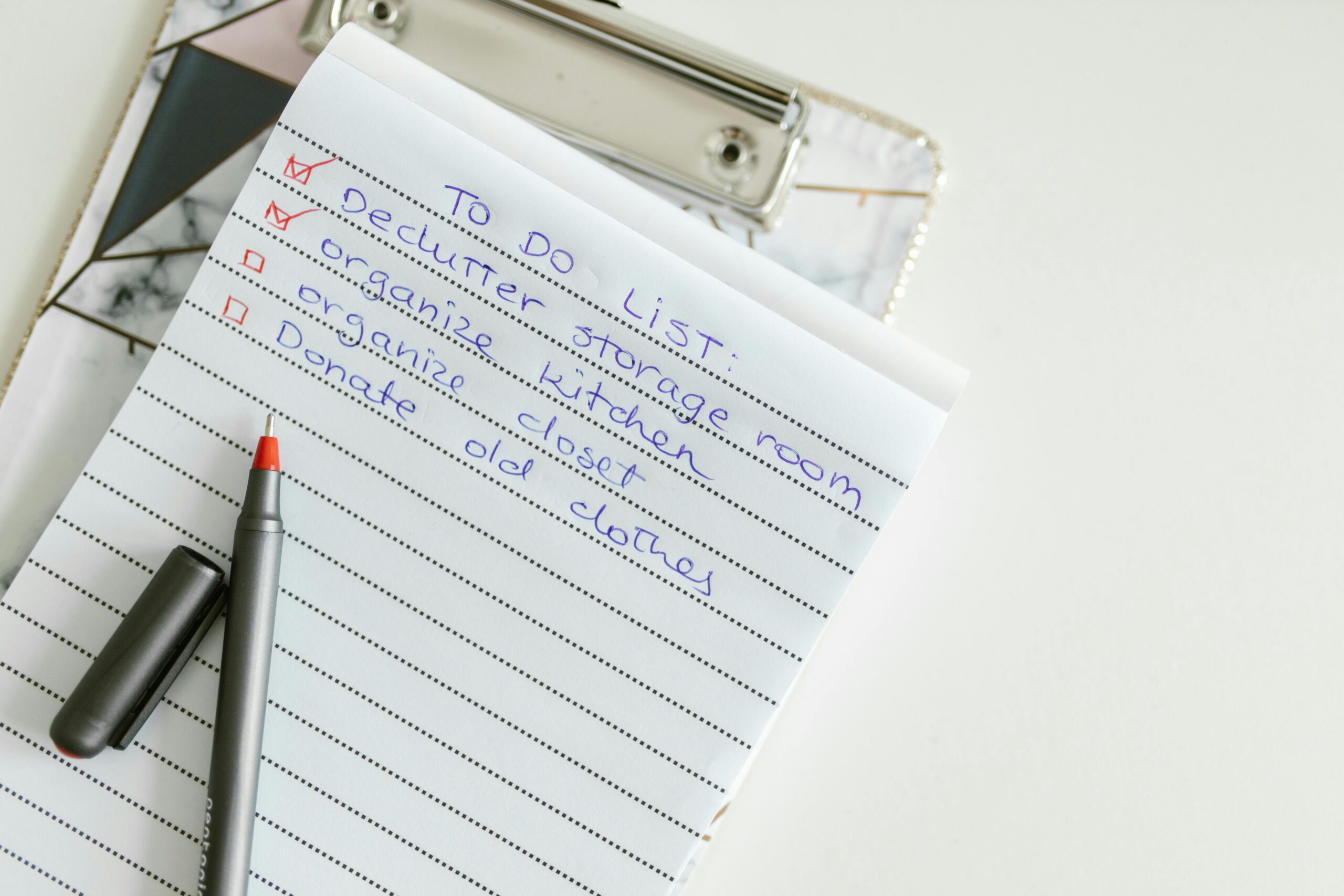
Transforming your kitchen into an efficient workspace starts with understanding how you move, prep, and cook. A well-mapped meal-prep station eliminates wasted steps, reduces frustration, and turns cooking from a chore into a streamlined, enjoyable experience.

Whether you’re a home cook preparing weeknight dinners or someone who batch-cooks for the entire week, the way you organize your tools and surfaces directly impacts your efficiency. This comprehensive guide will walk you through creating the ultimate meal-prep station mapping template that works specifically for your cooking style, kitchen layout, and culinary goals.
🗺️ Why Kitchen Flow Matters More Than You Think
Your kitchen flow is the invisible choreography that happens every time you prepare food. When your cutting board sits far from your knife drawer, or your mixing bowls are stored three cabinets away from your food processor, you’re adding unnecessary steps to every recipe.
Professional chefs understand the concept of “mise en place” – everything in its place. But home kitchens require a different approach because we’re not just cooking; we’re also storing groceries, cleaning up, and often working in spaces that weren’t designed with optimal workflow in mind.
The average home cook walks between 50-70 steps while preparing a single meal. By mapping your meal-prep stations strategically, you can reduce this by up to 40%, saving time, energy, and reducing the mental load that makes cooking feel overwhelming.
Understanding the Kitchen Work Triangle and Beyond
The traditional kitchen work triangle connects your refrigerator, stove, and sink – the three most-used areas in any kitchen. However, modern meal prep requires expanding this concept to include dedicated preparation zones that support your specific cooking patterns.
Your meal-prep station should exist within or adjacent to this triangle, creating a fourth point that serves as your command center. This is where ingredients get transformed from raw materials into recipe-ready components.
The Five Essential Meal-Prep Zones
Every efficient kitchen contains these fundamental zones, whether you have a sprawling space or a compact apartment kitchen:
- Receiving Zone: Where groceries first land and get unpacked
- Storage Zone: Pantry, refrigerator, and freezer access points
- Preparation Zone: Your primary cutting, chopping, and assembly area
- Cooking Zone: Stovetop, oven, and heat-based cooking tools
- Cleaning Zone: Sink, dishwasher, and waste disposal
Your meal-prep station mapping template should identify each zone and optimize the connections between them based on your most frequently prepared meals.
Creating Your Personalized Station Mapping Template
Before reorganizing a single drawer, you need to understand your current cooking patterns. Grab a notepad and spend one week documenting which tools you reach for most frequently, which ingredients you use daily versus weekly, and where bottlenecks occur in your workflow.
Step 1: Document Your Cooking Patterns
Track these elements for at least five cooking sessions:
- Which tools do you use in every meal? (knives, cutting boards, measuring cups)
- What ingredients do you prep most often? (onions, garlic, proteins, grains)
- Where do you naturally gravitate when you start cooking?
- What causes you to walk back and forth repeatedly?
- Which tasks take longer than they should due to poor tool placement?
This observational period reveals your authentic cooking style rather than an idealized version. You might discover you never actually use that food processor you thought was essential, or that you’re constantly reaching across your body for the olive oil.
Step 2: Measure Your Primary Prep Surface
Your main preparation surface is the foundation of your meal-prep station. Measure not just the dimensions, but also the “reach zones” – areas you can comfortably access without moving your feet.
The optimal reach zone extends about 24 inches in front of you and 18 inches to each side when you’re standing at your prep surface. Everything you need for 80% of your meal preparation should live within this zone or one step away.
🔪 Mapping Your Tools for Maximum Efficiency
Tool organization follows a simple hierarchy: frequency of use determines proximity. The items you use daily should be within arm’s reach, while specialized tools can live further away in less accessible storage.
The Daily Driver Tools
These tools should occupy prime real estate in your meal-prep station:
- Chef’s knife and paring knife (wall-mounted magnetic strip or countertop block)
- Primary cutting board (stored vertically near prep surface or as permanent fixture)
- Wooden spoons and silicone spatulas (countertop crock within reach)
- Measuring cups and spoons (drawer directly below prep surface)
- Can opener and vegetable peeler (same drawer as measuring tools)
- Kitchen shears (magnetic strip or designated drawer slot)
Consider keeping duplicates of frequently-used items like wooden spoons or measuring cups if your budget allows. This prevents the frustrating situation where you need a clean measuring cup but the one you need is currently dirty in the sink.
The Weekly Rotation Tools
These items should be easily accessible but don’t need to occupy premium space:
- Mixing bowls (stacked in cabinet above or below prep surface)
- Colander and strainers (hung on cabinet door or stored with mixing bowls)
- Food processor or blender (countertop corner or appliance garage)
- Grater and microplane (drawer organizer or hung on cabinet door)
- Meat thermometer and kitchen timer (designated drawer section)
The Special Occasion Tools
Store these items in less convenient locations since you’ll use them infrequently:
- Holiday-specific bakeware and serveware
- Specialty appliances used monthly or less
- Large stockpots and roasting pans
- Decorating tools and specialty cutters
Surface Strategy: Maximizing Your Horizontal Real Estate
Counter space is the most valuable resource in any kitchen, yet most home cooks unknowingly waste it by treating all surfaces equally. Your mapping template should designate specific purposes for each available surface area.
The Landing Zone Surface
Designate at least 18 inches of counter space immediately adjacent to your refrigerator as a landing zone. This is where grocery bags get unpacked, meal-prep containers get staged, and ingredients transition from cold storage to active preparation.
This surface should remain relatively clear during non-cooking times to serve its function effectively. Avoid placing permanent appliances or decorative items here.
The Active Prep Surface
Your primary prep surface should offer at least 24 inches of uninterrupted workspace. This is where cutting boards live, ingredients get chopped, and recipe assembly happens. Ideally, this surface sits between your sink and stove, with easy access to both.
Keep this surface completely clear when not cooking. Even a decorative fruit bowl or coffee maker infringes on valuable working space during meal prep.
The Assembly Line Surface
If you batch-cook or meal prep for the week, dedicate a third surface for assembly work. This is where empty containers get filled, components get combined, and finished dishes get portioned.
This surface works best when positioned away from the heat and mess of active cooking, allowing you to work cleanly with food that’s ready for storage.
📱 Digital Tools for Kitchen Mapping
Several apps can help you visualize and plan your kitchen organization strategy. Simple floor plan apps allow you to map your exact kitchen dimensions and experiment with different organizational approaches before moving a single item.
Photo documentation apps help you capture “before” images and track your progress. Take pictures of every drawer and cabinet before reorganizing, then reference these images if you need to troubleshoot or adjust your system.
The Ingredient Hierarchy: Storing by Frequency and Flow
Just as tools follow a frequency hierarchy, ingredients should be stored based on how often you use them and where they fit into your cooking process.
Prime Positioning for Daily Ingredients
These items deserve the most accessible storage locations:
- Cooking oils and vinegars (beside stovetop or in upper cabinet at eye level)
- Salt, pepper, and everyday spices (countertop organizer or magnetic wall strip)
- Onions, garlic, and fresh herbs (basket near prep surface or in designated drawer)
- Everyday condiments (refrigerator door or dedicated shelf)
Creating Ingredient Stations
Group ingredients by cuisine type or meal category. A “breakfast station” might include oats, coffee, sweeteners, and breakfast spices all within reach of your morning prep area. A “pasta station” contains various noodles, canned tomatoes, Italian seasonings, and parmesan cheese.
This categorical organization reduces decision fatigue and ensures you can see at a glance what ingredients are available for specific types of meals.
🎯 Implementing Your Meal-Prep Station Map
Now comes the practical application of your mapping template. Set aside a weekend day for this project – rushing through kitchen organization defeats the purpose.
The Total Reset Method
For maximum effectiveness, empty everything from your kitchen onto your dining table or a cleared area. This complete reset forces you to make intentional decisions about where each item should live rather than defaulting to historical placement that might not serve your current needs.
Clean all surfaces, drawers, and cabinets while empty. Add shelf liners, drawer organizers, or cabinet risers as needed to maximize vertical space and create defined homes for categories of items.
The Strategic Placement Process
Return items to your kitchen in this order:
- Daily driver tools first, occupying prime real estate
- Everyday ingredients in their designated frequency zones
- Weekly rotation items in secondary locations
- Occasional-use tools and ingredients in tertiary storage
- Specialized or seasonal items in the most remote locations
As you place each item, physically walk through the motions of using it. Does the placement make sense when you’re actually cooking, or only in theory?
Testing and Refining Your Kitchen Flow
Your initial mapping template is a hypothesis, not a permanent solution. Plan to spend at least two weeks testing your new organization before making final adjustments.
Keep a notepad in your kitchen during this testing period. When you reach for something that’s not where you expect it, make a note. When you discover you’re still walking unnecessary steps, document what would improve the flow.
The One-Week Evaluation
After one week, review your notes and make obvious corrections. Maybe you placed your cutting boards too far from the sink, or your most-used spices ended up in a cabinet that requires opening awkwardly while your hands are full.
Make these obvious adjustments immediately. Don’t force yourself to adapt to a system that clearly isn’t working.
The Two-Week Fine-Tuning
By week two, your major placement decisions should feel relatively comfortable. Now focus on micro-optimizations. Can you consolidate two partially-filled drawers into one? Is there a tool you thought you’d use frequently but haven’t touched?
This fine-tuning phase separates good kitchen organization from truly optimized meal-prep stations. The difference might be measured in seconds per task, but those seconds compound into minutes saved per meal and hours saved per month.
Maintaining Your Optimized Kitchen Flow
Even the best-organized kitchen deteriorates without maintenance. Tools migrate to incorrect locations, new purchases lack designated homes, and old habits creep back in.
Schedule a monthly 15-minute kitchen audit. Walk through your meal-prep station, return any misplaced items, and evaluate whether your system still serves your current cooking patterns. As seasons change, your cooking style might shift, requiring adjustments to ingredient placement or tool accessibility.
The New Item Protocol
Before purchasing any new kitchen tool or gadget, identify exactly where it will live and what it will replace. If you can’t answer both questions, you probably don’t need the item.
When you do add something new, remove something old. This one-in-one-out policy prevents organizational creep and forces you to evaluate what truly serves your cooking needs.
🏆 Advanced Strategies for Serious Meal Preppers
If you regularly batch-cook or prepare multiple meals at once, these advanced strategies will further optimize your kitchen flow.
The Container System
Invest in a complete set of matching meal-prep containers and designate specific cabinet space exclusively for them. Store containers with lids already attached to eliminate the frustrating lid-matching game when you’re trying to pack meals quickly.
Keep your container storage location between your assembly surface and refrigerator, creating a smooth flow from final assembly to storage without carrying items across your entire kitchen.
The Prep Day Cart
A rolling cart transforms into a mobile meal-prep station that consolidates everything you need for batch cooking. Load it with cutting boards, knives, measuring tools, and empty containers, then position it wherever you have the most working space.
After your prep session, the cart rolls back to its storage location with all tools contained, keeping your daily cooking space clear.
Adapting the Template for Small Kitchens
Limited space requires even more strategic mapping. When you can’t spread out horizontally, think vertically and temporally.
Install magnetic strips on backsplashes for knives and metal tools. Use adhesive hooks inside cabinet doors for measuring cups and light utensils. Stack items vertically with shelf risers to double your effective cabinet space.
Create temporary prep surfaces using cutting boards that span your sink or stovetop when those areas aren’t actively in use. A large cutting board can transform a compact kitchen into a functional prep station when you need it.
Your Kitchen, Your Rules: Customization Is Key
The ultimate meal-prep station mapping template isn’t a rigid system but a flexible framework adapted to your unique circumstances. A household of vegetarians organizes differently than meat-focused cooks. Someone who bakes daily needs different tool accessibility than someone who primarily grills.
Your kitchen should feel intuitive to you, even if it looks unconventional to others. If storing your knives in a drawer instead of on a magnetic strip works better for your flow, do that. If you prefer ingredients grouped by color rather than type, organize that way.
The goal isn’t Instagram-worthy aesthetics or adherence to professional kitchen standards. The goal is a space that makes cooking feel effortless, where your hands know where to reach without your brain having to think, where meal preparation becomes a smooth, satisfying process rather than a frustrating obstacle course.
Start with the principles outlined in this mapping template, then bend and break the rules as needed to create your perfect kitchen flow. Your future self, standing in a beautifully organized kitchen preparing tonight’s dinner with minimal wasted motion, will thank you for the effort.