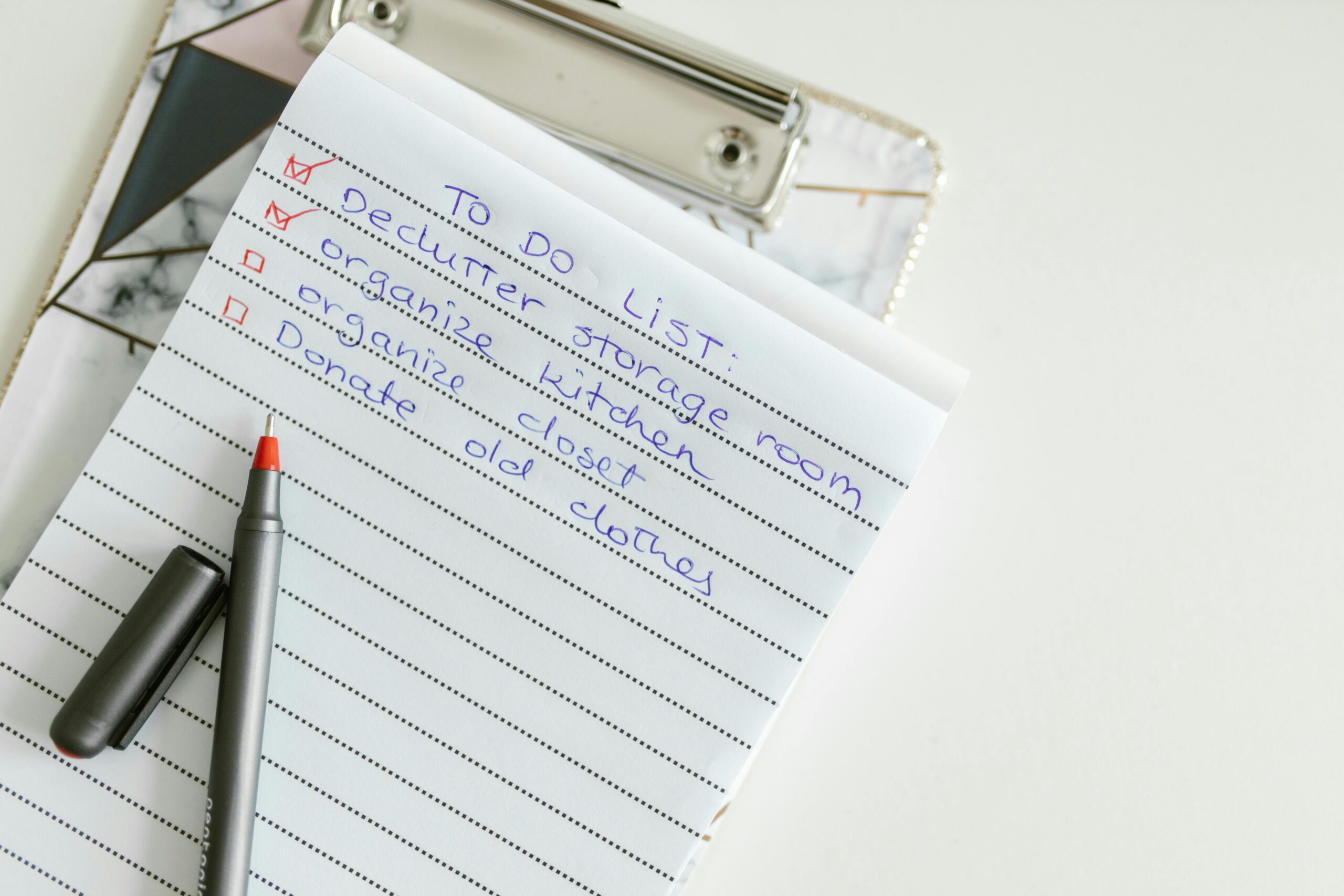
A cluttered, disorganized kitchen can turn meal preparation into a frustrating chore rather than an enjoyable experience. The secret to transforming your cooking space lies in strategic planning and visual organization.

Imagine knowing exactly where every ingredient, utensil, and appliance belongs at a single glance. A kitchen map template offers this clarity, bringing order to chaos and efficiency to your daily cooking routine. This simple yet powerful tool can revolutionize how you interact with your culinary workspace, making cooking more intuitive and enjoyable for everyone in your household.
🗺️ What Exactly Is a Kitchen Map Template?
A kitchen map template is a visual representation of your cooking space that identifies the location of every essential item. Think of it as a GPS for your kitchen—a printed guide that eliminates guesswork and saves precious time when you’re preparing meals.
This practical organizational tool goes beyond simple labeling. It creates zones within your kitchen, assigns logical homes for items based on frequency of use, and establishes a system that everyone in your household can follow. Whether you’re reorganizing an existing kitchen or setting up a new one, a kitchen map provides the blueprint for maximum efficiency.
The beauty of a printable kitchen map lies in its flexibility. You can customize it to match your specific space, cooking habits, and storage solutions. Unlike rigid organizational systems that force you to adapt to their structure, a personalized kitchen map adapts to you.
Why Your Kitchen Desperately Needs This Organization Strategy
The average person spends countless hours searching for kitchen items throughout their lifetime. Those minutes add up to hours, then days, ultimately stealing time that could be spent actually cooking or enjoying meals with loved ones.
A well-designed kitchen map addresses this time drain directly. By establishing designated locations for every item and documenting them visually, you eliminate the “Where did I put that?” moments that plague busy cooks. Family members and guests can also locate what they need without constantly asking questions.
Beyond time savings, kitchen mapping reduces food waste. When you know exactly where ingredients are stored and can see your inventory at a glance, you’re less likely to buy duplicates or let items expire forgotten in the back of cabinets. This organizational clarity translates directly into financial savings and reduced environmental impact.
The Psychological Benefits of Kitchen Organization
An organized kitchen offers more than practical advantages—it creates mental space. Research consistently shows that cluttered environments increase stress levels and decrease productivity. When your kitchen is systematically organized with a clear visual map, you enter the space with confidence rather than dread.
Cooking becomes meditative rather than stressful when you’re not constantly hunting for ingredients or tools. This mental clarity can actually improve your culinary skills, as you’re able to focus on technique and flavor rather than logistics and frustration.
Essential Elements of an Effective Kitchen Map Template
Creating a kitchen map that truly transforms your space requires including specific components. Your template should feature clearly defined zones that reflect the natural workflow of cooking: preparation, cooking, serving, and cleanup areas.
Each zone should be labeled with the categories of items stored there. For example, your preparation zone might include cutting boards, knives, mixing bowls, and measuring tools. Your cooking zone would encompass pots, pans, cooking utensils, and frequently used spices.
Zone-Based Kitchen Organization Strategy
The most effective kitchen maps utilize a zone-based approach that mirrors professional culinary workflows. This method groups items according to their function and the stage of cooking where they’re needed most.
- Preparation Zone: Located near your primary work surface, housing cutting boards, knives, peelers, mixing bowls, and prep containers
- Cooking Zone: Centered around your stove and oven, storing pots, pans, cooking utensils, pot holders, and everyday seasonings
- Cleaning Zone: Near your sink, containing dish soap, scrubbers, towels, and cleaning supplies
- Storage Zone: Typically pantry and refrigerator areas, organized by food category and meal type
- Serving Zone: Housing plates, bowls, serving dishes, and items needed for plating and presentation
📋 How to Create Your Custom Printable Kitchen Map
Starting with a blank template allows you to tailor your kitchen map precisely to your space. Begin by sketching a simple overhead view of your kitchen layout, including major appliances, cabinets, drawers, and countertops.
Next, inventory everything currently in your kitchen. This comprehensive list becomes the foundation for your organizational system. Group similar items together and consider how frequently you use each category. High-frequency items should occupy the most accessible locations.
Assign logical homes for each category based on the zone principle. Items used together should be stored together. For instance, coffee mugs belong near the coffee maker, baking supplies cluster together near your mixing area, and cleaning products stay under the sink.
Step-by-Step Mapping Process
The actual creation process follows a logical sequence that ensures nothing gets overlooked. Start with your major zones and work down to specific drawer and cabinet contents.
First, photograph your kitchen from multiple angles. These images serve as reference points when creating your map. Next, measure your storage spaces so you can accurately represent them in your template.
Using graph paper or a digital design tool, create scale representations of your storage areas. Label each section with general categories first, then add specific details. For drawers, create mini-maps showing how items are arranged within each compartment.
Practical Design Tips for Maximum Usability ✨
An effective kitchen map must be visually clear and easy to reference quickly. Use color coding to differentiate zones—perhaps blue for cleaning supplies, green for cooking tools, red for baking items, and yellow for serving pieces.
Typography matters more than you might think. Choose fonts that are large enough to read from several feet away, especially if you plan to mount your map on a wall or inside a cabinet door. Sans-serif fonts typically offer better readability at a glance.
Include visual icons or symbols alongside text labels. A small picture of a whisk next to “mixing tools” or a pot icon next to “cookware” makes scanning even faster, particularly helpful when you’re in the middle of preparing a meal.
Digital vs. Physical Kitchen Maps
Both formats offer distinct advantages. Physical printed maps provide instant visibility without needing to unlock a device or open an app. They can be laminated and mounted where they’re most useful—inside cabinet doors, on the pantry wall, or on your refrigerator.
Digital maps offer editability and accessibility from multiple devices. You can update them easily as your organization system evolves, share them with household members via cloud storage, and include hyperlinks to recipes or inventory lists.
The ideal solution often combines both approaches: maintain a master digital version that you can update, then print fresh copies whenever your system changes significantly.
Implementing Your Kitchen Map Successfully
Creating the map is just the beginning—implementation determines whether this tool transforms your kitchen or becomes unused clutter. Start with a complete kitchen decluttering session, removing items you no longer use or need.
Clean each storage area thoroughly before reorganizing according to your map. This fresh start creates positive momentum and makes the new system feel official and intentional rather than just another attempted organizational fix.
Physically relocate items to match your map’s designated locations. This process might reveal that some assignments don’t work as well in practice as they looked on paper. Don’t hesitate to adjust your map based on real-world testing.
Getting Your Household on Board
The most brilliant organizational system fails if family members don’t follow it. Share your kitchen map with everyone who uses the space, explaining the logic behind your zone assignments and item locations.
Consider creating a simplified version for children with picture labels and primary categories only. Make it a household rule that items must be returned to their mapped locations after use—consistency is what transforms a good system into an effortless habit.
Post copies of relevant map sections in strategic locations. A mini-map inside your spice cabinet showing the alphabetical or usage-based organization system helps everyone maintain order. A pantry map near the entrance prevents items from being randomly shoved onto shelves.
🎯 Customization Ideas for Different Kitchen Types
Small apartment kitchens require creative solutions that maximize limited space. Your map should emphasize vertical storage, multi-functional items, and strict category limits—keeping only essentials that earn their place.
Large family kitchens benefit from detailed zone subdivisions and quantity tracking. Your map might include inventory lists for frequently purchased items, helping you maintain adequate supplies without overstocking.
Specialty kitchens for bakers, meal preppers, or international cuisine enthusiasts need maps that prioritize their unique requirements. A baker’s kitchen map might dedicate significant space to organizing various flours, sugars, leavening agents, and decorating supplies.
Adapting Maps for Accessibility Needs
Kitchen maps can be designed to support various accessibility requirements. For users with mobility limitations, maps should indicate which items are stored at reachable heights and which might require assistance or adaptive tools.
Visual impairments benefit from maps that include tactile elements—raised labels or Braille additions that make the organizational system accessible through touch. High-contrast color schemes improve visibility for users with reduced vision.
Maintaining Your Kitchen Map System Long-Term
Even the best organizational system requires periodic maintenance. Schedule quarterly reviews of your kitchen map, assessing whether the current arrangement still serves your needs efficiently.
Cooking habits change with seasons, life stages, and evolving dietary preferences. Your map should evolve accordingly. When you acquire new appliances or storage solutions, update your map before integrating them into your kitchen.
Track pain points as they emerge. If you repeatedly find yourself searching for a particular item despite having a map, that’s a signal to reassess where it’s stored. The goal is continuous improvement, not rigid adherence to an outdated system.
Seasonal Kitchen Map Adjustments
Consider creating seasonal variations of your kitchen map that reflect changing inventory and usage patterns. Summer maps might emphasize grilling tools and fresh produce storage, while winter versions highlight baking supplies and slow-cooker accessories.
These seasonal adjustments prevent your kitchen from becoming cluttered with items that aren’t currently useful while ensuring you have optimal access to what you need most during each time of year.
Beyond the Basics: Advanced Kitchen Mapping Techniques 🚀
Once your basic system is functioning smoothly, consider incorporating advanced features that take organization to the next level. Inventory tracking systems can be integrated into your map, noting when items need restocking.
QR codes strategically placed on your physical map can link to digital resources—recipes that use ingredients in that section, instructional videos for appliances, or shopping lists generated from your inventory system.
Meal planning integration connects your kitchen map to weekly menus. By noting which zones contain ingredients for planned meals, you can streamline preparation and ensure you’re adequately stocked for the week ahead.
Troubleshooting Common Kitchen Organization Challenges
Even with a perfect map, certain organizational challenges persist. Limited cabinet space might mean some items can’t be stored in their ideal locations. Your map should note these compromises and include reminders about secondary storage locations.
Awkward cabinet configurations—corner spaces, extremely high shelves, or deep narrow cupboards—require creative solutions. Your map should indicate these challenging areas and specify exactly what’s stored there, since they’re harder to browse casually.
Shared households with multiple cooks often struggle with competing organizational preferences. Creating a kitchen map collaboratively, with input from all primary users, increases buy-in and ensures the system works for everyone.
The Environmental and Financial Impact of Kitchen Organization 🌱
Proper kitchen organization through mapping directly reduces waste. When you can see all your food inventory at a glance, items don’t get forgotten and expire. This visibility prevents duplicate purchases that strain budgets and create unnecessary packaging waste.
Studies show that organized households waste approximately 30% less food than disorganized ones. That percentage translates to significant annual savings—hundreds of dollars that can be redirected to higher quality ingredients or other priorities.
Efficient kitchen systems also reduce energy consumption. When you know exactly where items are located, refrigerator and freezer doors stay open for shorter periods, and you spend less time running appliances while hunting for ingredients or tools.
Bringing It All Together: Your Kitchen Transformation Journey
Transforming your cooking space with a kitchen map template isn’t about achieving Instagram-perfect aesthetics—it’s about creating a functional system that genuinely improves your daily life. The perfect map is the one that works consistently for your unique household and cooking style.
Start small if the full process feels overwhelming. Map just one zone—perhaps your most problematic area—and experience the benefits before expanding to your entire kitchen. Success builds motivation for tackling the next section.
Remember that this organizational tool serves you; you don’t serve it. If something isn’t working, change it. The flexibility to adapt is what makes printable kitchen maps so powerful compared to rigid organizational products that can’t be customized.
Your kitchen should be a space that invites creativity and nourishes both body and soul. A well-designed, thoughtfully implemented kitchen map removes the friction and frustration that stand between you and enjoyable cooking experiences. It’s a simple tool with transformative potential—practical, printable, and absolutely perfect for anyone ready to take control of their culinary space.
The investment of time creating and implementing your kitchen map pays dividends every single day, meal after meal, year after year. Your future self will thank you every time you reach for exactly what you need without searching, every time you avoid buying duplicates, and every time you enter a kitchen that feels calm and organized rather than chaotic and stressful.