
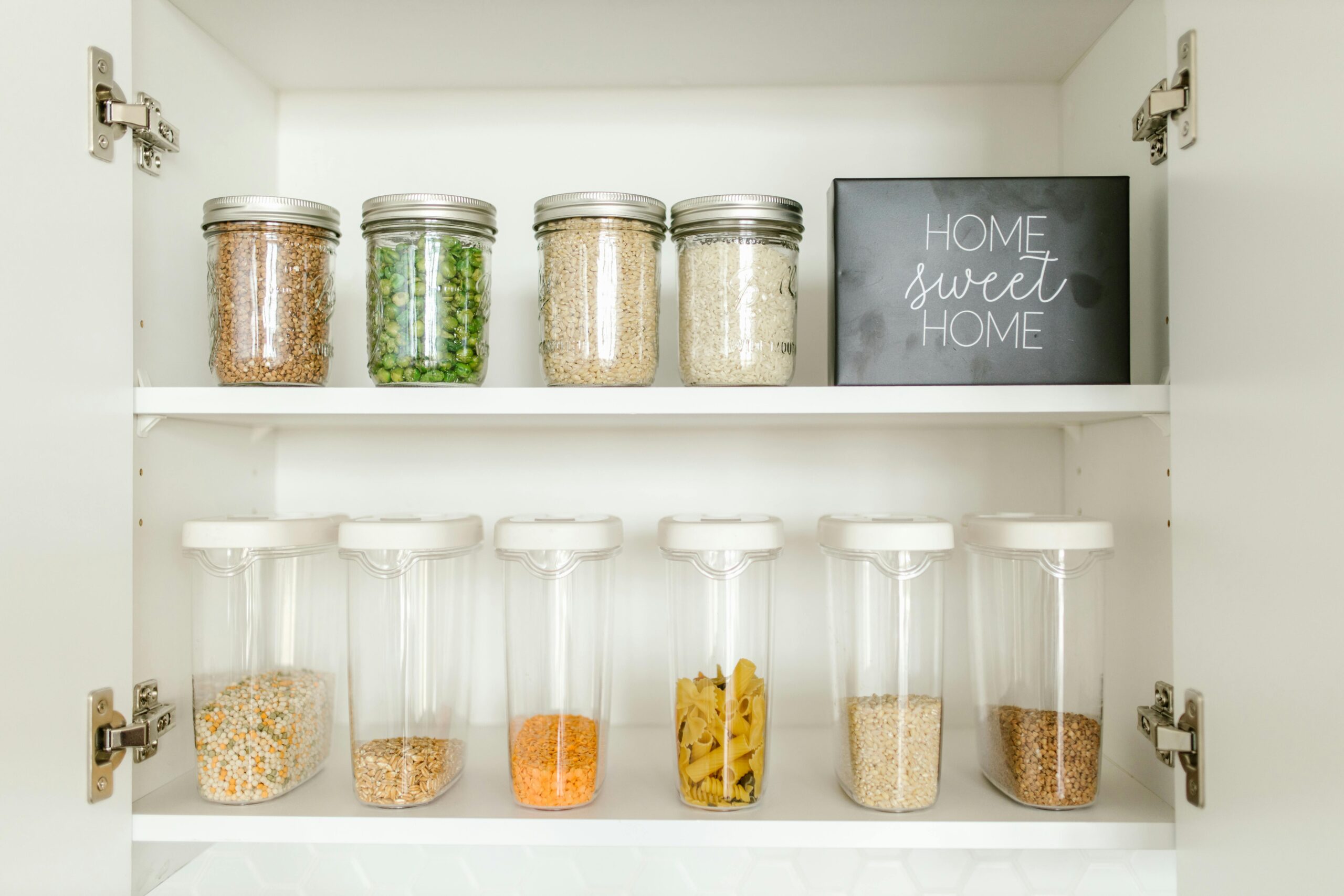
A well-organized pantry transforms not just your kitchen, but your entire cooking experience. Clear containers paired with sleek cabinet solutions create a visually stunning space that combines functionality with modern aesthetics.

The chaos of mismatched boxes, half-empty bags, and cluttered shelves can make meal preparation stressful and time-consuming. By implementing strategic organization systems with transparent storage solutions, you’ll revolutionize how you interact with your pantry daily. This transformation goes beyond simple tidiness—it’s about creating an efficient, beautiful space that inspires culinary creativity and saves precious time.
✨ The Clear Container Revolution: Why Transparency Matters
Clear containers have become the gold standard in pantry organization for compelling reasons. The ability to see exactly what you have at a glance eliminates the guesswork that leads to duplicate purchases and food waste. When ingredients are visible, you’re more likely to use them before expiration dates pass.
Transparency creates visual harmony in your pantry space. Unlike manufacturer packaging with competing colors and designs, clear containers provide a unified aesthetic that feels clean and sophisticated. This visual consistency transforms your pantry from a purely functional space into an attractive focal point of your kitchen.
Beyond aesthetics, clear storage solutions promote accountability in your food inventory. You’ll immediately notice when supplies run low, making grocery shopping more efficient and reducing those frustrating moments when you discover you’re out of a crucial ingredient mid-recipe.
🏗️ Designing Your Dream Pantry Layout
Before investing in containers and organizational tools, assess your pantry’s unique dimensions and limitations. Measure shelf heights, depths, and widths carefully. Understanding your space prevents costly mistakes and ensures every container fits perfectly within your cabinet structure.
Consider creating functional zones within your pantry. Designate specific areas for baking supplies, breakfast items, snacks, canned goods, and cooking essentials. This zoning approach mirrors how grocery stores organize products, making it intuitive to locate items quickly.
Vertical Space Optimization Strategies
Most pantries have underutilized vertical space that could dramatically increase storage capacity. Stackable clear containers maximize this dimension while maintaining accessibility. Choose containers with modular designs that nest securely without requiring excessive effort to separate.
Install shelf risers or tiered organizers to create additional levels within existing shelves. These solutions work particularly well for shorter items like spice jars, condiments, and small clear containers holding nuts, seeds, or dried fruits.
🔍 Selecting the Perfect Clear Container System
Not all clear containers are created equal. Material selection significantly impacts durability, maintenance requirements, and long-term satisfaction. Understanding the differences between plastic, glass, and acrylic options helps you make informed decisions.
High-quality BPA-free plastic containers offer lightweight convenience and shatter-resistance, making them ideal for upper shelves and households with children. Look for containers with thick walls that resist scratching and clouding over time.
Glass containers provide superior durability and don’t absorb odors or stains. They’re heavier and more fragile but offer a premium aesthetic and are dishwasher-safe without degradation concerns. Glass works beautifully for items you access frequently at eye level or below.
Acrylic containers split the difference, offering clarity similar to glass with lighter weight and better impact resistance. Premium acrylic maintains its crystal-clear appearance longer than standard plastic and often features modern, sleek designs.
Essential Container Sizes for Every Pantry
- Extra-large containers (4-6 quarts): Perfect for flour, sugar, rice, pasta, and other staples you buy in bulk
- Large containers (2-3 quarts): Ideal for cereals, oats, snacks, and secondary baking ingredients
- Medium containers (1-2 quarts): Suited for coffee, tea, dried beans, lentils, and specialty grains
- Small containers (8-16 ounces): Great for spices, herbs, baking powder, chocolate chips, and nuts
- Narrow containers: Specifically designed for pasta varieties, breadsticks, and other elongated items
🎨 Creating Visual Harmony with Labeling Systems
Even the most beautiful clear containers benefit from thoughtful labeling. Labels eliminate confusion, especially for similar-looking ingredients like different types of flour, sugar, or grains. They also help other household members maintain your organizational system.
Consider your pantry’s aesthetic when selecting label styles. Minimalist chalkboard labels offer flexibility and a rustic charm, while printed vinyl labels provide crisp, modern text. For a completely seamless look, etched glass labels on glass containers create elegant permanence.
Include essential information on your labels beyond just the ingredient name. Adding purchase dates or expiration dates helps with freshness monitoring. For baking enthusiasts, including measurement equivalents directly on the label saves time during recipe preparation.
💡 Smart Cabinet Solutions That Enhance Container Systems
Clear containers reach their full potential when paired with intelligent cabinet modifications. Pull-out drawers transform deep pantries from black holes where items disappear into fully accessible storage where everything remains visible and reachable.
Lazy Susan turntables work wonderfully in corner cabinets, allowing you to utilize awkward spaces efficiently. Group similar-sized clear containers on these rotating platforms for effortless access to oils, vinegars, sauces, and condiments.
Door-Mounted Storage Innovations
Cabinet doors represent valuable real estate often overlooked in pantry organization. Over-the-door organizers with clear pockets or small container holders maximize this space for spices, snack packets, or frequently used ingredients.
For custom solutions, consider installing narrow shelves on the interior of pantry doors. These shallow shelves perfectly accommodate rows of small clear containers, keeping smaller items organized and preventing them from getting lost behind larger containers on main shelves.
🌟 Maintaining Your Organized Pantry System
Organization isn’t a one-time project but an ongoing practice. Establishing simple maintenance routines ensures your beautifully organized pantry remains functional and attractive long-term. Dedicate fifteen minutes weekly to quick tidying and inventory checks.
When restocking containers, practice the “first in, first out” method. Pour new purchases into temporary containers, empty the main container completely, refill with older product first, then add new product on top. This rotation prevents ingredients from aging unnecessarily.
Deep-clean your clear containers quarterly, even if they appear clean. Oils and fine particles can create residue that gradually clouds containers. Hand-washing with warm, soapy water and thorough drying maintains that crystal-clear appearance.
📊 Budget-Conscious Approaches to Pantry Transformation
Transforming your pantry doesn’t require unlimited funds. Strategic purchasing and phased implementation make this project accessible regardless of budget constraints. Start with the most-used items and expand your container collection gradually.
| Budget Level | Strategy | Expected Investment |
|---|---|---|
| Minimal Budget | Focus on multi-packs of basic clear containers; DIY labels; repurpose existing organizers | $50-$100 |
| Moderate Budget | Mix of quality containers for staples; purchase shelf risers and turntables; professional labels | $150-$300 |
| Premium Budget | Complete matching container set; custom shelving; pull-out drawers; high-end organizers | $400-$800+ |
Watch for sales at container stores and home organization retailers, particularly during January when organization products are heavily discounted. Buying complete sets rather than individual containers typically offers better value and ensures perfect aesthetic matching.
🍽️ Specialized Storage Solutions for Different Food Categories
While universal containers work for many items, certain food categories benefit from specialized clear storage solutions designed specifically for their unique requirements. Investing in category-specific containers enhances both functionality and food preservation.
Fresh Produce Containers
Clear produce containers with adjustable ventilation extend the life of fruits and vegetables dramatically. These specialized containers regulate humidity and airflow, preventing premature spoilage while keeping produce visible and accessible.
Stackable produce containers with drainage systems work particularly well for berries, cherry tomatoes, and grapes. The clear design lets you monitor freshness at a glance, reducing forgotten produce that wilts in opaque crisper drawers.
Snack Station Organization
Create a dedicated snack zone using medium-sized clear containers for chips, crackers, cookies, and other grab-and-go items. This approach works especially well for families with children, putting healthy snack options at eye level in attractive, accessible containers.
Consider clear containers with pour spouts or flip-top lids for cereals and granola. These features make morning routines smoother while maintaining airtight seals that preserve freshness and prevent spills.
🔧 Installation Tips for Cabinet Modifications
If you’re adding shelves, pull-outs, or other structural modifications to accommodate your clear container system, proper installation ensures safety and longevity. Measure twice and cut once applies both literally and figuratively when modifying cabinetry.
Ensure shelving can support the weight of filled containers. Glass and ceramic containers filled with heavy staples like flour or sugar add significant weight. Use appropriate brackets and hardware rated for kitchen loads.
When installing pull-out drawers, choose ball-bearing slides rated for full extension and appropriate weight capacity. Cheaper slides create frustration with limited extension and premature failure under the constant use pantries experience.
🌿 Sustainability Considerations in Pantry Organization
Organizing with clear containers aligns beautifully with sustainable living practices. Buying staples in bulk using reusable containers dramatically reduces packaging waste compared to pre-packaged products.
Many grocery stores and co-ops now offer bulk sections where customers bring their own containers. Clear containers make this process simple—bring them to the store, have them weighed empty (tare weight), fill them, and pay only for the product weight.
Quality clear containers represent a long-term investment that eliminates disposable packaging. While initial costs exceed continuing to use manufacturer packaging, the environmental and financial benefits accumulate impressively over time.
👨👩👧👦 Family-Friendly Pantry Organization Strategies
When organizing pantries for families, accessibility for all household members becomes paramount. Position frequently used items and containers within reach of children when appropriate, fostering independence while reducing constant requests for assistance.
Use visual cues beyond text labels for younger children. Color-coded lids or picture labels help pre-readers identify contents independently. Clear containers make this even easier—children can see the actual contents alongside identifying markers.
Create low-level stations with child-safe containers for breakfast cereals, snack options, and lunch-packing supplies. This empowerment builds life skills while reducing morning chaos as children prepare their own meals with minimal supervision.
🎯 Troubleshooting Common Pantry Organization Challenges
Even well-planned pantry systems encounter obstacles. Addressing common challenges proactively prevents frustration and system abandonment. The most frequent issue involves household members not maintaining the organizational system.
Combat this through simplicity—complicated systems fail. Make returning items to their proper containers and locations easier than leaving them scattered. Position containers in logical locations that align with natural workflow patterns.
If containers aren’t staying fresh, check seal quality. Airtight seals are non-negotiable for pantry containers, preventing staleness, moisture intrusion, and pest problems. Replace containers with worn gaskets or loose-fitting lids immediately.
✅ Your Pantry Transformation Action Plan
Begin your pantry transformation by completely emptying your current space. This clean slate approach lets you assess items you actually use versus expired products and forgotten purchases taking up valuable space.
As you sort through items, create three categories: keep, donate (unexpired items you won’t use), and discard (expired or opened stale products). This purge often reveals you need fewer containers than anticipated because unnecessary items were consuming significant space.
Clean shelves thoroughly before implementing your new system. A fresh, clean space deserves your beautiful new clear containers and organizational elements. This cleaning also lets you assess whether shelf paper or liners would enhance the finished appearance.
Implement your system gradually if the scope feels overwhelming. Start with dry goods and baking supplies—typically the most visually impactful categories. Success in one area builds momentum for completing the entire transformation.
The investment of time, thought, and resources into transforming your pantry with sleek cabinet solutions and clear containers pays dividends daily. Every meal preparation becomes more efficient, groceries shopping grows more strategic, and your kitchen gains a showpiece worth displaying. This organization transcends mere tidiness, creating systems that genuinely enhance your daily life while bringing sophisticated style to functional spaces. The clarity of transparent storage solutions mirrors the mental clarity that comes with knowing exactly what you have, where it lives, and how to access it effortlessly.