
Transform your kitchen into a haven of order and elegance with the right wall cabinet solutions designed specifically for glassware and plate storage.

The kitchen remains the heart of every home, where culinary creativity meets daily family life. Yet, this central space often struggles with organization challenges, particularly when it comes to storing delicate glassware and plates. Wall cabinets offer an exceptional solution that combines functionality with aesthetic appeal, turning cluttered countertops into streamlined spaces that inspire cooking and entertaining. Whether you’re renovating an existing kitchen or designing a new one from scratch, understanding how to maximize your wall cabinet potential can revolutionize your entire kitchen experience.
🏠 The Strategic Advantage of Wall-Mounted Storage Solutions
Wall cabinets represent one of the most efficient uses of vertical space in any kitchen design. Unlike base cabinets that occupy valuable floor area, wall-mounted units capitalize on often-underutilized wall space, creating storage opportunities without sacrificing the room’s footprint. This vertical approach proves particularly beneficial in smaller kitchens where every square inch counts.
The elevation of glassware and plates above counter level also serves practical purposes beyond space efficiency. Items stored at eye level remain more accessible than those tucked away in lower cabinets, reducing the physical strain of bending and reaching. This ergonomic advantage becomes increasingly important as homeowners age or deal with mobility challenges.
Furthermore, wall cabinets protect your valuable dishware from the hazards of lower storage areas. Ground-level cabinets face greater exposure to water damage from plumbing leaks, spills, and cleaning mishaps. Elevated storage keeps your cherished glassware and china safely away from these risks while maintaining convenient access during meal preparation and service.
✨ Design Styles That Complement Your Kitchen Aesthetic
Modern wall cabinet solutions come in an impressive array of styles, materials, and finishes that can enhance virtually any kitchen aesthetic. Traditional wooden cabinets with raised panel doors create warmth and classic elegance, perfect for homes with farmhouse or colonial design sensibilities. These timeless pieces often feature intricate molding and hardware that adds architectural interest to your walls.
Contemporary kitchens benefit from sleek, minimalist cabinet designs featuring flat-panel doors, handleless mechanisms, and high-gloss finishes. These streamlined units create clean visual lines that make spaces feel larger and more open. Glass-fronted cabinets work beautifully in modern settings, allowing you to display colorful glassware or patterned plates as decorative elements while keeping them dust-free and organized.
Transitional styles bridge the gap between traditional and contemporary, offering versatile cabinet solutions with simple shaker-style doors and neutral finishes. These adaptable designs work across various decorating schemes and provide longevity as design trends evolve over time.
Material Considerations for Durability and Beauty
Selecting the right material for your wall cabinets significantly impacts both their longevity and visual appeal. Solid hardwood remains a premium choice, offering unmatched durability and the ability to refinish over time. Oak, maple, and cherry woods bring natural beauty and strength, though they command higher price points.
Medium-density fiberboard (MDF) provides a cost-effective alternative that accepts paint finishes exceptionally well. When properly sealed and maintained, MDF cabinets deliver years of reliable service, making them ideal for budget-conscious renovations. Plywood construction offers excellent strength-to-weight ratios and superior moisture resistance compared to particleboard options.
For contemporary or industrial-themed kitchens, metal cabinets in stainless steel or powder-coated finishes create striking focal points. These materials prove particularly easy to clean and maintain, resisting stains and moisture damage that can plague wooden alternatives.
📐 Optimizing Cabinet Configuration for Glassware Storage
Strategic cabinet configuration makes the difference between chaotic storage and perfectly organized glassware collections. Interior shelving adjustability stands as a critical feature, allowing you to customize spacing based on your specific glass heights and quantities. Wine glasses, water goblets, champagne flutes, and everyday tumblers all require different vertical clearances.
Installing specialized glass racks within wall cabinets maximizes storage density while protecting delicate stemware. These racks typically feature slots or grooves that secure glasses upside-down by their bases, preventing chips and breaks while utilizing space efficiently. Some designs incorporate multiple tiers, effectively doubling or tripling your glassware capacity within the same cabinet footprint.
Consider incorporating lighting elements within glass storage cabinets to showcase your collection. LED strip lighting or puck lights mounted to cabinet interiors create an elegant display effect while improving visibility when selecting glasses. This feature transforms functional storage into an attractive design element that enhances your kitchen’s ambiance.
Plate Organization Systems That Work
Plates present unique storage challenges due to their flat shape and varying sizes. Traditional horizontal stacking in wall cabinets works but often leads to difficulty accessing items at the bottom of the stack without disturbing the entire pile. Vertical plate racks offer a superior solution, allowing you to slide individual plates out without disrupting others.
These rack systems come in various configurations, from simple tension rods to custom-fitted dividers that secure plates firmly in place. Some designs accommodate multiple plate sizes within a single cabinet, using adjustable dividers to create customized compartments for dinner plates, salad plates, and dessert dishes.
Pull-down cabinet systems represent an innovative solution for upper cabinets positioned at challenging heights. These mechanisms lower the entire shelf contents to comfortable reaching level with a simple pull, then return items to their elevated storage position. This technology proves particularly valuable for storing special occasion china that sees infrequent use but requires careful handling.
🔧 Installation Considerations for Safety and Stability
Proper installation forms the foundation of safe, functional wall cabinet systems. Wall cabinets filled with glassware and plates carry substantial weight that demands secure mounting to structural supports. Locating wall studs and anchoring cabinets directly to these framing members provides the necessary load-bearing capacity.
Professional installation typically proves worthwhile, especially for large cabinet systems or heavy materials. Experienced installers ensure level mounting, proper weight distribution, and secure attachment methods that prevent accidents. They also understand building codes and safety regulations that govern cabinet installation in various regions.
For DIY enthusiasts tackling wall cabinet installation, investing in quality mounting hardware makes a significant difference. Heavy-duty cabinet screws, French cleat systems, or metal hanging rails distribute weight effectively and provide adjustment capabilities during installation. Always verify that your chosen mounting method accommodates the combined weight of cabinets plus their expected contents with an adequate safety margin.
Height and Placement Guidelines
Standard wall cabinet placement positions the bottom edge 18 inches above countertop surfaces, though this measurement varies based on ceiling height and user preferences. Higher mounting creates a more open feeling and accommodates taller individuals comfortably, while lower placement improves accessibility for shorter users or those with limited reach.
The ideal upper cabinet height allows users to reach the bottom shelf without stretching while leaving adequate clearance above work surfaces for comfortable food preparation. Most designers recommend keeping at least 15 inches of clearance between countertops and cabinet bottoms to prevent head bumps and accommodate small appliances.
Consider the workflow patterns in your kitchen when determining cabinet placement. Position frequently used glassware and everyday plates near the dishwasher for efficient unloading, while special occasion dishes can occupy cabinets in less trafficked areas.
🎨 Color and Finish Options to Enhance Your Space
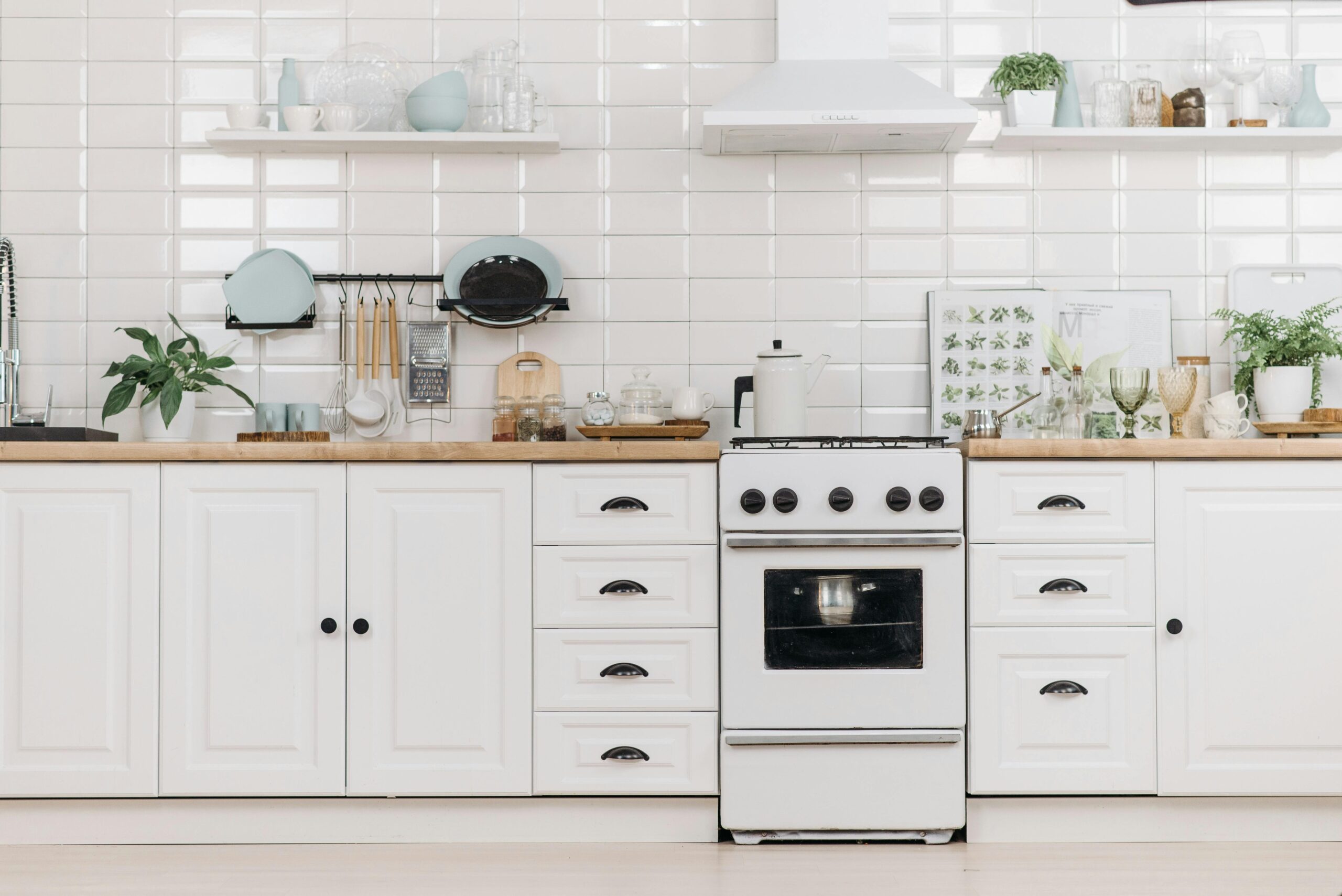
Cabinet color and finish selections dramatically influence your kitchen’s overall appearance and perceived size. White and light-colored cabinets reflect light, making spaces feel larger and more open. These neutral palettes provide timeless appeal that complements changing decor trends and offers a clean backdrop for colorful dishware displays.
Dark cabinet finishes create dramatic contrast and sophisticated elegance, particularly effective in larger kitchens with abundant natural light. Deep navy, charcoal gray, or rich espresso tones add depth and visual interest while concealing minor imperfections and wear patterns better than lighter alternatives.
Two-tone cabinet schemes offer the best of both worlds, combining light upper cabinets that maintain an airy feel with darker base cabinets that ground the space. This approach adds visual variety and allows you to incorporate multiple design elements without overwhelming the room.
Hardware Selection That Makes a Difference
Cabinet hardware serves both functional and decorative purposes, influencing how easily you access stored items while contributing to your kitchen’s style statement. Knobs offer simplicity and work well on smaller cabinet doors, while pulls provide better leverage for larger, heavier doors and reduce fingerprints on cabinet surfaces.
Finish coordination between hardware, faucets, and light fixtures creates cohesive design flow throughout your kitchen. Popular options include brushed nickel, oil-rubbed bronze, polished chrome, and matte black finishes. Mixing metal finishes has become increasingly acceptable in contemporary design, though maintaining consistency within each functional zone prevents visual chaos.
Consider touch-latch or push-to-open mechanisms for a completely handleless appearance that emphasizes clean cabinet lines. These systems prove particularly useful in modern kitchens where minimalist aesthetics take priority.
💡 Smart Features for Modern Cabinet Solutions
Today’s wall cabinets incorporate technological innovations that enhance functionality and convenience. Soft-close hinges prevent door slamming, protecting both cabinet structures and their contents from impact damage. These hydraulic mechanisms also reduce noise levels, an appreciated feature in open-concept living spaces.
Motion-activated LED lighting systems illuminate cabinet interiors automatically when doors open, improving visibility and creating an upscale user experience. These energy-efficient lights consume minimal power while providing excellent illumination for selecting glassware and plates.
Some high-end cabinet systems now integrate charging stations, tablet holders, or even small display screens for accessing recipes and kitchen management applications. While these features add cost, they reflect the evolving role of kitchens as multifunctional spaces that accommodate work, entertainment, and family activities beyond meal preparation.
🧹 Maintenance Strategies for Long-lasting Cabinet Beauty
Regular maintenance preserves your wall cabinets’ appearance and functionality for decades. Establishing simple cleaning routines prevents buildup that damages finishes and requires intensive restoration efforts. Wipe cabinet exteriors weekly with microfiber cloths slightly dampened with mild soap solutions, then dry thoroughly to prevent water spots and streaking.
Interior cabinet surfaces benefit from quarterly deep cleaning sessions that remove dust, food particles, and grease accumulation. Empty shelves completely, vacuum loose debris, then wipe with appropriate cleaners based on cabinet materials. Wood interiors require different products than laminate or metal surfaces.
Inspect hinges, pulls, and other hardware components periodically, tightening loose screws and lubricating moving parts as needed. This preventive maintenance ensures smooth operation and prevents minor issues from escalating into costly repairs. Check for signs of moisture damage, particularly around sink areas, addressing any problems immediately to prevent structural deterioration.
Protecting Your Investment
Avoid harsh chemical cleaners, abrasive scrubbers, or excessive moisture when maintaining cabinet surfaces. These aggressive approaches strip protective finishes, dull appearances, and accelerate wear. Instead, use products specifically formulated for your cabinet materials and follow manufacturer recommendations.
Protect cabinet interiors with shelf liners that cushion glassware and plates while simplifying cleanup. Removable liners allow for periodic washing, maintaining sanitary storage conditions for items that contact food and beverages. Choose non-adhesive options that won’t leave sticky residues or damage cabinet finishes.
Consider applying periodic conditioning treatments to wooden cabinets, particularly in dry climates where wood can crack or warp. These products replenish natural oils, maintaining wood’s flexibility and preventing premature aging.
💰 Budget Planning for Cabinet Projects
Wall cabinet investments range dramatically based on materials, construction quality, features, and installation complexity. Stock cabinets from home improvement retailers offer the most economical entry point, with basic units starting around $100-300 per linear foot. These mass-produced options provide limited customization but deliver functional storage at accessible price points.
Semi-custom cabinets occupy the middle market segment, offering greater size flexibility, finish options, and accessory choices at $150-650 per linear foot. These products balance customization with cost efficiency, making them popular choices for kitchen renovations with moderate budgets.
Custom cabinetry represents the premium tier, with prices exceeding $500-1,200 per linear foot or more for luxury materials and intricate designs. These bespoke solutions accommodate unusual spaces, specific storage requirements, and unique aesthetic visions that off-the-shelf products cannot satisfy.
Cost-Saving Strategies Without Sacrificing Quality
Strategic planning reduces cabinet project costs without compromising results. Consider refacing existing cabinets rather than complete replacement if current structures remain sound. This approach involves installing new doors, drawer fronts, and hardware while retaining existing cabinet boxes, typically costing 30-50% less than full replacement.
Mix cabinet types within your kitchen, using custom or semi-custom units in prominent locations while incorporating stock cabinets in less visible areas. This hybrid approach delivers high-end appearance where it matters most while maintaining budget discipline.
Timing purchases around holiday sales events, particularly Memorial Day, Fourth of July, and Labor Day, can yield significant savings. Many retailers offer substantial discounts during these periods to clear inventory and attract renovation projects.
🌟 Personalizing Your Cabinet Organization
Beyond basic storage, personalizing your wall cabinet organization creates systems that reflect your specific needs and lifestyle. Assess your glassware and plate collections honestly, determining which items deserve premium accessible storage and which can occupy less convenient locations.
Create dedicated zones within your cabinet layout for different dish categories. Group everyday drinking glasses together separate from special occasion stemware. Organize plates by function, keeping breakfast dishes near coffee stations while positioning dinner plates and serving platters closer to main food preparation areas.
Label shelves or use clear dividers to maintain organization systems over time, especially in households where multiple people access kitchen storage. These visual cues help everyone return items to proper locations, preserving your organizational efforts.
Transforming Your Kitchen Into an Organized Masterpiece
Well-planned wall cabinet solutions revolutionize kitchen functionality while elevating aesthetic appeal. The investment in quality storage systems pays dividends through improved daily efficiency, enhanced home value, and the simple pleasure of working in a beautifully organized space. Whether you pursue a complete kitchen renovation or targeted cabinet upgrades, thoughtful planning ensures results that serve your household for years to come.
Your kitchen deserves storage solutions that work as hard as you do while looking spectacular. From selecting appropriate styles and materials to implementing smart organizational systems, every decision contributes to creating a space that truly feels like the heart of your home. Start planning your wall cabinet transformation today, and discover how proper glassware and plate storage can elevate your entire kitchen experience. 🍽️