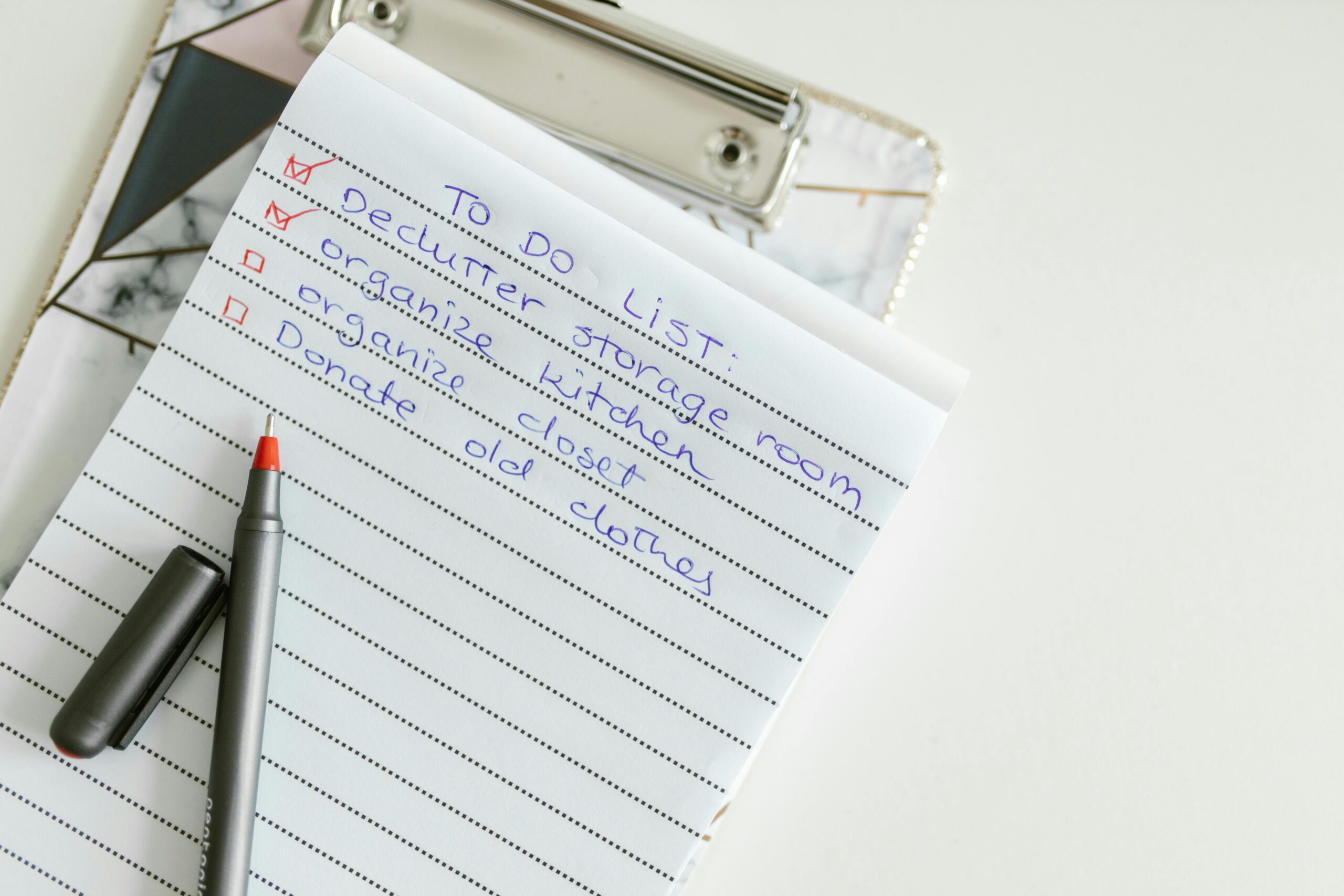
Moving to a new home is exciting, but the process of packing can quickly become overwhelming. The secret to a stress-free relocation lies in decluttering before you even touch the first moving box.

Every item you decide not to move is money saved, space freed, and time reclaimed. Whether you’re downsizing to a smaller apartment or simply craving a fresh start, a strategic decluttering approach will transform your moving experience from chaotic to streamlined.
📦 Why Decluttering Before Moving Is Your Best Decision
The average household accumulates countless items over the years, many of which serve no practical purpose. When you move without decluttering first, you’re essentially paying to transport items you don’t need, use, or even remember owning. Professional movers charge based on weight and volume, making every unnecessary item a direct hit to your wallet.
Beyond the financial benefits, decluttering creates emotional freedom. Starting fresh in a new space without the baggage of unused possessions allows you to design your environment intentionally. You’ll unpack faster, organize more efficiently, and avoid recreating the clutter that plagued your previous home.
Studies show that clutter directly impacts stress levels and mental well-being. By purging unnecessary items before your move, you’re not just lightening the physical load—you’re setting yourself up for improved mental clarity in your new space.
🗓️ The Eight-Week Declutter Timeline
Effective decluttering isn’t a weekend project. Starting at least eight weeks before your moving date gives you adequate time to make thoughtful decisions without the pressure of looming deadlines. This timeline prevents burnout and reduces the likelihood of keeping items out of exhaustion or time constraints.
Weeks 8-7: Assessment and Strategy
Begin by walking through your entire home with a notepad or smartphone. Document every room, closet, garage space, and storage area. This inventory helps you visualize the scope of your decluttering project and identify the most cluttered zones requiring extra attention.
Create specific decluttering goals for each area. Perhaps your kitchen cabinets need the most work, or maybe your garage has become a black hole of forgotten belongings. Prioritizing problematic areas ensures you tackle the biggest challenges while you still have energy and motivation.
Weeks 6-5: Tackling the Easy Wins
Start with areas that require less emotional investment. Bathrooms, pantries, and utility spaces typically contain expired products and duplicates that are easy to discard. These quick wins build momentum and confidence for more challenging spaces later.
Dispose of expired medications, old cosmetics, duplicate kitchen tools, and worn-out linens. These items rarely spark debate and clearing them creates immediate visible progress that motivates continued effort.
Weeks 4-3: The Main Living Spaces
Now tackle bedrooms, living rooms, and home offices. These spaces contain items with more sentimental value, requiring thoughtful consideration. Use the four-box method: keep, donate, sell, and trash. Every item must go into one of these categories.
Be honest about what you actually use. That bread maker gathering dust for three years? It’s taking up valuable space. The clothes that haven’t fit in two years? Someone else can use them now. The decorations you never display? They’re just clutter in disguise.
Weeks 2-1: Final Purge and Difficult Decisions
These final weeks address sentimental items, photographs, documents, and family heirlooms. Not everything with emotional value deserves physical space in your life. Consider photographing sentimental items you don’t actually use, preserving the memory without the physical clutter.
Digitize important documents, old photos, and children’s artwork. Modern scanning apps make this process quick and efficient, reducing boxes of paper to organized digital files accessible from anywhere.
📋 Room-by-Room Declutter Checklist
Kitchen Command Center 🍳
The kitchen accumulates redundant items faster than almost any room. Apply the one-year rule: if you haven’t used it in the past year, you probably won’t miss it. This applies to specialty appliances, duplicate utensils, mismatched containers, and excessive dishware.
- Discard chipped, cracked, or stained dishes and cookware
- Keep only one set of measuring cups and spoons
- Eliminate expired spices, condiments, and pantry items
- Donate duplicate small appliances and rarely-used gadgets
- Consolidate food storage containers, recycling those missing lids
- Remove promotional cups, mugs, and water bottles you never use
Bedroom Sanctuary Simplification 🛏️
Bedrooms hide clutter in closets, under beds, and in dresser drawers. This is where the 80/20 rule shines: most people wear 20% of their wardrobe 80% of the time. Identify your frequently-worn favorites and question everything else.
- Discard clothes that don’t fit, are damaged, or haven’t been worn in a year
- Limit yourself to one or two spare bedding sets per bed
- Clear out expired medications and cosmetics from nightstands
- Remove books you won’t reread (donate to libraries or Little Free Libraries)
- Evaluate every decorative item—does it serve you or just collect dust?
- Digitize old letters, cards, and paper memorabilia when possible
Bathroom Basics Only 🚿
Bathrooms accumulate travel-size toiletries, expired medications, and cosmetics we try once and abandon. These small items add up quickly, filling multiple moving boxes with products that should have been discarded long ago.
- Throw away expired medications, sunscreen, and first aid supplies
- Consolidate partially-used bottles of the same product
- Discard makeup older than recommended shelf life
- Keep only towels in good condition; worn ones become cleaning rags first
- Evaluate every hair tool, skincare gadget, and bathroom appliance
Living Room Liberation 🛋️
Living spaces collect decorations, entertainment items, and furniture that may not fit or suit your new home. Measure your new space carefully and make strategic decisions about what actually belongs in your next chapter.
- Assess furniture dimensions against your new floor plan
- Purge DVD collections by digitizing or using streaming services
- Clear out old magazines, catalogs, and outdated decor
- Donate unused games, puzzles, and hobby supplies
- Evaluate every throw pillow, blanket, and decorative object
Home Office Organization 💻
Paper is the enemy of an efficient move. Home offices overflow with old files, outdated electronics, and office supplies accumulated over years. Digital solutions have made most paper obsolete, so embrace the opportunity to go paperless.
- Shred documents older than necessary retention periods
- Recycle old electronics through proper e-waste programs
- Consolidate office supplies; donate excess to schools or nonprofits
- Digitize important documents using scanning apps or services
- Evaluate whether you truly need that printer, scanner, or fax machine
Garage and Storage Area Sweep 🔧
Storage spaces become dumping grounds for items we can’t decide about immediately. If something has been in storage for years without being accessed, you probably don’t need it. Be ruthless in these spaces to prevent moving problems you’ve been storing.
- Dispose of old paint, chemicals, and hazardous materials properly
- Donate working tools and equipment you haven’t used in two years
- Discard broken items you’ve been meaning to fix forever
- Clear out sporting equipment for activities you no longer pursue
- Evaluate seasonal decorations honestly—keep only what you actually display
💡 Smart Sorting Strategies That Actually Work
The Touch-It-Once Philosophy
When decluttering, handle each item only once. Make an immediate decision: keep, donate, sell, or trash. Placing items in a “maybe” pile just delays the inevitable decision and creates additional work. Trust your gut instinct—it’s usually right.
The Container Concept
Your space is the ultimate container. If your belongings don’t fit comfortably in your new home, something has to go. Measure closets, cabinets, and storage areas in your new place, then limit your possessions accordingly. This prevents moving clutter from one overstuffed space to another.
Digital Before Physical
Before packing any documents, photos, or media, ask whether it can be digitized. Cloud storage is cheaper than square footage, and digital files don’t require moving boxes. Numerous apps and services make scanning and organizing digital files simple and affordable.
🎯 Where Your Discarded Items Should Go
Decluttering isn’t just about throwing everything away. Responsible disposal ensures usable items find new homes while truly unusable items are handled appropriately. Planning your disposal strategy prevents bags of donations from sitting in your garage until moving day.
Donation Destinations
Local charities, thrift stores, homeless shelters, and women’s shelters welcome gently-used items. Many organizations offer pickup services for furniture and large items, saving you transportation hassles. Schedule donations throughout your decluttering process rather than waiting until the end.
Schools, daycares, and community centers often need office supplies, art materials, and children’s items. Senior centers appreciate puzzles, games, and craft supplies. Animal shelters use old towels, blankets, and newspapers. Thinking creatively about donations ensures more items avoid landfills.
Selling for Extra Moving Money 💰
Quality items with resale value deserve the effort of selling. Online marketplaces, garage sales, and consignment shops turn clutter into cash that offsets moving expenses. However, be realistic about time investment versus potential returns.
Set a deadline for selling items—typically two to three weeks. Anything that doesn’t sell by then gets donated immediately. This prevents valuable items from becoming last-minute packing problems because you were overly optimistic about selling them.
Proper Disposal Methods
Some items require special disposal methods. Electronics contain hazardous materials and should go to e-waste recycling centers. Medications should be returned to pharmacy take-back programs. Paint, chemicals, and batteries need hazardous waste facilities. Research local disposal options early to avoid last-minute scrambling.
🚫 Common Decluttering Mistakes to Avoid
Even with the best intentions, decluttering can go wrong. Recognizing common pitfalls helps you avoid them and maintain momentum throughout the process.
Starting Too Late
The biggest mistake is underestimating how long effective decluttering takes. Starting a week before moving forces rushed decisions you’ll regret. You’ll either keep too much out of time pressure or discard items you actually needed. Give yourself adequate time for thoughtful choices.
The Sentimental Trap
Sentimentality is decluttering’s biggest obstacle. We attach emotions to objects that represent memories, but the memory exists independently of the physical item. Take photos of sentimental items before donating them, preserving the memory without the physical burden.
Buying Organizing Products Too Soon
Don’t purchase moving boxes, storage containers, or organizing systems before decluttering. You can’t know what you need until you know what you’re keeping. Declutter first, then assess your actual packing and organizing requirements. This prevents wasting money on unnecessary supplies.
Keeping Things “Just in Case”
The “just in case” mentality keeps garages full of items we might theoretically need someday. If you haven’t needed it in the past year, the chances of needing it in the future are minimal. Items you might need once every five years can be borrowed, rented, or purchased if that rare occasion arises.
📱 Technology Tools for Decluttering Success
Modern technology simplifies decluttering, especially when dealing with paper, photos, and documents. Scanning apps convert physical items into organized digital files, dramatically reducing the volume you need to move.
Inventory apps help track your belongings, making it easier to see what you own and identify redundancies. Some apps even estimate the value of items for insurance purposes or selling decisions. Marketplace apps facilitate selling items quickly to local buyers.
For important document scanning and organization, apps like CamScanner and Microsoft Lens transform your smartphone into a powerful scanner, creating searchable PDFs from paper documents. This technology makes going paperless accessible to everyone, regardless of technical expertise.
🎉 The Psychological Benefits of Moving Light
Beyond practical advantages, decluttering before moving offers profound psychological benefits. Arriving at your new home with only possessions you love and use creates an immediate sense of calm and control. You’re not recreating old problems in a new space—you’re starting fresh.
Unpacking becomes faster and more enjoyable when every box contains only items you genuinely want. You won’t experience the frustration of unpacking things and wondering why you even moved them. Every item in your new home has earned its place through careful consideration.
The discipline of decluttering also builds decision-making skills that serve you long after moving day. You develop a clearer sense of what truly adds value to your life versus what simply takes up space. This clarity influences future purchasing decisions, preventing clutter accumulation in your new home.
💪 Maintaining Momentum When Motivation Fades
Decluttering fatigue is real. The initial excitement fades as you face the tenth closet or twentieth drawer. Building strategies to maintain momentum ensures you complete the process rather than giving up halfway through.
Set small, achievable daily goals. Committing to declutter one drawer, one shelf, or one closet per day feels manageable and creates consistent progress. Celebrate these small wins—they accumulate into significant overall achievement.
Enlist help from friends or family members who can provide objective opinions. We’re often too close to our possessions to make clear decisions. A trusted friend can ask tough questions like “When did you last use this?” or “Does this really fit your new lifestyle?” that help break through emotional attachments.
Take before and after photos of each completed space. Visual evidence of progress motivates continued effort, especially during moments when the task feels overwhelming. These photos also serve as satisfying reminders of how far you’ve come.
🏡 Preparing Your New Space for a Clutter-Free Life
Decluttering before moving is only half the battle. The other half is preventing clutter from accumulating in your new home. Before unpacking, establish systems that maintain the organized lifestyle you’ve worked so hard to achieve.
Implement the “one in, one out” rule: every time you acquire something new, something old must leave. This maintains equilibrium and prevents gradual accumulation of unnecessary items. It also makes you more intentional about purchases, reducing impulse buying.
Designate specific homes for categories of items in your new space. When everything has a place, items are less likely to become clutter. Resist the urge to fill empty spaces just because they exist—empty space is valuable and should be preserved intentionally.
Schedule quarterly decluttering sessions to maintain your clutter-free environment. Regular maintenance is easier than major overhauls. These seasonal reviews keep possessions aligned with your current needs and prevent the accumulation that made your pre-move decluttering necessary.

✨ Embracing Your Fresh Start
Moving presents a unique opportunity to reset your relationship with possessions. The decluttering process isn’t about deprivation—it’s about intentionally surrounding yourself with items that serve your current life, not your past or imagined future. Every item you choose to move should earn its place through regular use, genuine love, or meaningful significance.
As you settle into your new space with fewer boxes and more breathing room, you’ll appreciate the time invested in thoughtful decluttering. The money saved on moving costs, the stress avoided during unpacking, and the peace of living in an intentionally organized space all validate the effort. Your new home becomes a true sanctuary rather than just another storage unit for accumulated possessions.
Remember that decluttering is a skill that improves with practice. This move teaches you lessons about what you truly need, use, and value. Apply these insights moving forward to maintain the lighter, more intentional lifestyle you’ve created. Your future self will thank you for the discipline, clarity, and freedom that come from streamlining your move and lightening your load.