Transforming a cramped kitchen into a meal prep powerhouse isn’t just possible—it’s essential for modern living. With strategic planning and smart station layouts, even the tiniest cooking spaces can become incredibly efficient.

Small kitchens present unique challenges that many home cooks face daily. The struggle to find counter space, organize tools, and maintain workflow can turn simple meal preparation into a frustrating puzzle. However, understanding the principles of space optimization and applying proven station layout techniques can revolutionize your cooking experience, regardless of your kitchen’s square footage.
🏠 Understanding the Kitchen Triangle in Compact Spaces
The classic kitchen work triangle—connecting your refrigerator, stove, and sink—becomes even more critical in tiny kitchens. This foundational concept ensures minimal movement between your three most-used areas. In a small kitchen, you’ll want to keep these distances between 4 and 6 feet for optimal efficiency.
Rather than fighting against your kitchen’s limitations, embrace them. A compact triangle actually means less walking and more productivity. Your goal is to arrange your meal prep stations around this triangle, creating natural zones that flow seamlessly from one task to the next.
Consider your dominant hand and natural movement patterns. Right-handed cooks typically prefer moving from right to left, so position your most-used items accordingly. This small adjustment can save countless steps throughout your meal prep sessions.
Creating Dedicated Prep Zones Within Limited Space
Even in a galley kitchen measuring just 8 feet by 10 feet, you can establish distinct functional zones. The key is vertical thinking and multi-purpose surfaces. Your prep zone doesn’t need extensive counter space—it needs the right counter space with proper organization.
Designate your primary prep station near the sink for easy access to water and quick cleanup. This area should house your cutting boards, knives, and most-used prep tools. A 24-inch section is sufficient if properly organized with vertical storage solutions.
The Power of Vertical Organization
When horizontal space is scarce, look upward. Wall-mounted magnetic strips hold knives within arm’s reach without consuming precious drawer space. Pegboards create customizable tool storage that adapts as your needs change. Floating shelves above your prep area keep frequently used ingredients visible and accessible.
Install hooks under cabinets for measuring cups, small colanders, and utensils. This often-overlooked space becomes prime real estate in a tiny kitchen. Every inch counts, and the vertical plane offers exponentially more storage potential than countertops alone.
⚡ The Assembly Line Approach for Meal Prep Success
Professional kitchens use assembly line principles because they work. Adapting this method for your tiny kitchen means arranging stations in the order you’ll use them. Start with ingredient storage, move to washing, then cutting, cooking, and finally plating or storage.
Create a mental map of your typical meal prep workflow. Do you usually wash produce first? Start there. Then set up your cutting station immediately adjacent. Your cooking zone comes next, followed by cooling and storage areas. This left-to-right (or right-to-left) progression eliminates backtracking.
Batch processing becomes more efficient with this setup. Wash all vegetables at once, move them to your cutting station, prep everything in one session, then cook in organized batches. Your limited space actually encourages this efficient approach.
Portable Stations for Ultimate Flexibility
Rolling carts are game-changers in tiny kitchens. A slim cart measuring 18 inches wide can serve as a mobile prep station, extra storage, or serving area. Position it where needed during meal prep, then tuck it away when finished.
Over-the-sink cutting boards expand your workspace instantly, creating a temporary station that doesn’t require permanent counter space. These boards typically add 12 to 24 inches of working surface exactly where you need it most.
Strategic Storage Solutions for Meal Prep Essentials
Meal prep requires specific containers, tools, and ingredients that must be easily accessible. In a tiny kitchen, strategic storage transforms chaos into calm. Group items by function rather than by type—keep all breakfast prep items together, all lunch components in another zone.
Clear, stackable containers maximize cabinet space while keeping ingredients visible. Label everything clearly to eliminate searching. A well-organized cabinet opens like a mini pantry, with each item in its designated spot.
Deep drawers benefit from dividers that create sections for different tool categories. Dedicate one section to measuring tools, another to prep utensils, and another to storage lids. This organization system makes retrieval automatic and quick.
The Container Management System
Meal prep containers often become the biggest storage headache. Establish a dedicated zone for these items, preferably in a cabinet near your cooling and packing station. Stack containers by size with lids stored separately in a shallow bin or attached to the cabinet door.
Limit your container collection to three sizes that nest efficiently. This restraint prevents overflow and simplifies decisions. You’ll know exactly what containers you have and where to find them every single time.
🔧 Tool Selection and Placement for Maximum Efficiency
In a tiny kitchen, every tool must earn its place. Multi-functional equipment becomes essential. A food processor that chops, shreds, and purees replaces three separate tools. An Instant Pot combines pressure cooking, slow cooking, and sautéing functions in one appliance.
Position your most-used tools within the “golden zone”—the area between your shoulders and knees where reaching requires minimal effort. Reserve this premium space for items you use daily: chef’s knife, cutting board, mixing bowls, and primary cooking utensils.
Less frequently used items migrate to higher shelves or lower cabinets. If you only use your waffle maker monthly, it doesn’t deserve prime real estate. Be ruthlessly honest about usage frequency when assigning storage locations.
Creating Tool Kits for Different Meal Types
Organize tools into kits based on meal categories. Your breakfast kit includes everything for morning meal prep in one container. Lunch prep tools live together. This system allows you to pull one kit and have everything needed for that specific task.
Store these kits in bins or baskets that slide easily from cabinets. Label each clearly. This organization method reduces setup time dramatically—you’re not gathering individual tools from various locations.
The Pre-Prep Station: Your Secret Weapon
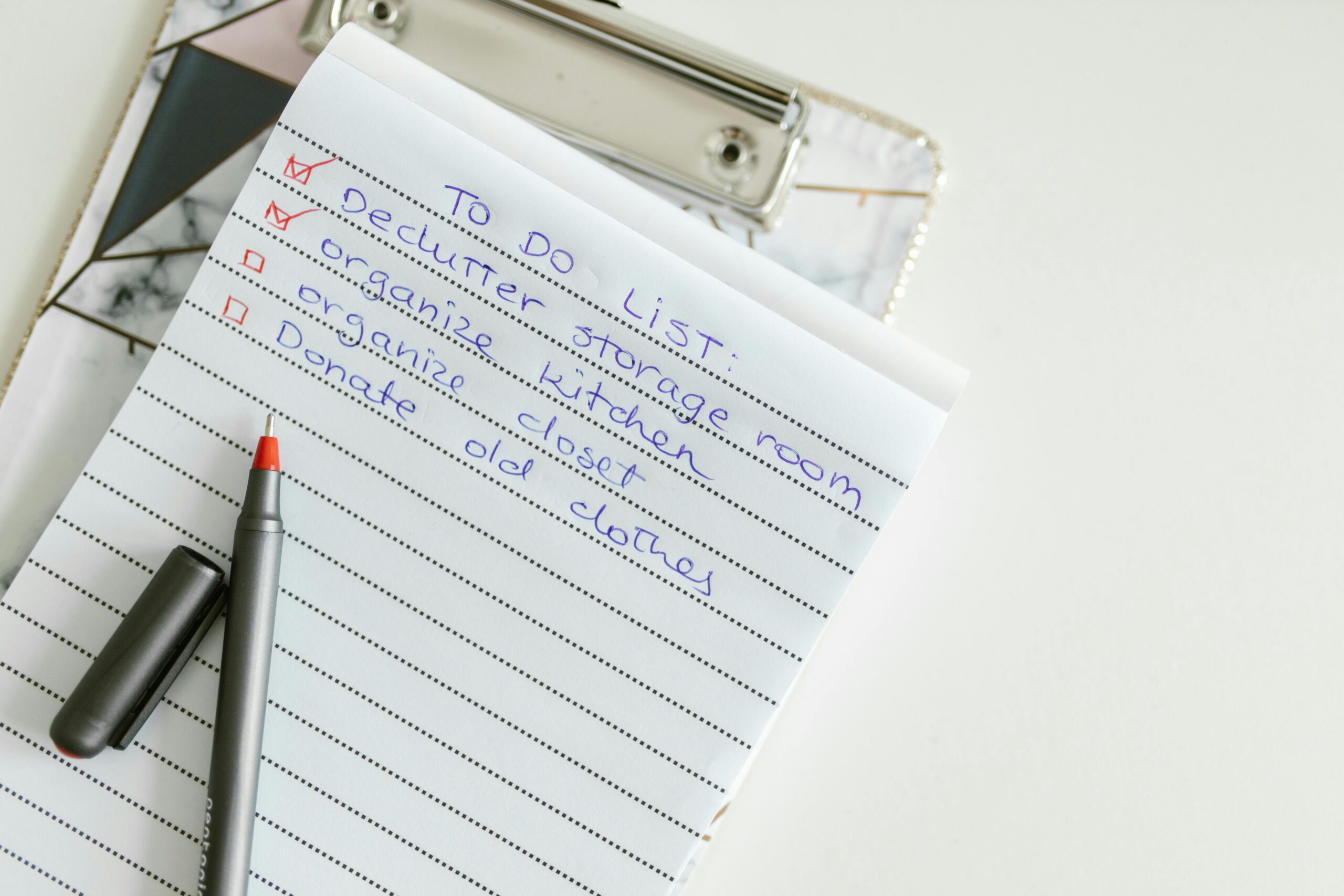
Designate a small area, even just a corner of counter or a drawer, as your pre-prep station. This zone houses items needed before actual cooking begins: recipe cards, meal planning notes, shopping lists, and your phone or tablet for recipe access.
Having a consistent place to review recipes and plan your prep sequence prevents mid-task interruptions. You’ll make fewer mistakes and work more confidently when you’ve reviewed everything beforehand.
Meal planning apps help organize recipes and generate shopping lists automatically. Keep your device charged and positioned in your pre-prep zone for easy reference during cooking. A simple phone stand or tablet holder prevents constant picking up and setting down.
💡 Lighting Your Workspace Properly
Inadequate lighting sabotages efficiency in any kitchen, but especially in small spaces where shadows accumulate. Task lighting above your primary prep area eliminates eye strain and improves accuracy when chopping and measuring.
Under-cabinet LED strips are inexpensive and transformative. They illuminate countertops directly, creating a professional-grade workspace. Install them on dimmer switches to adjust intensity based on the time of day and task at hand.
Natural light is ideal when available, but most meal prep happens during early mornings or evenings. Plan your lighting accordingly. Well-lit stations feel larger and more inviting, encouraging you to use the space more often.
The Cooling and Storage Station
Meal prep doesn’t end when cooking stops. You need an efficient cooling and portioning station. Designate a heat-safe area where hot dishes can rest before refrigeration. A trivet or cooling rack on a specific counter section works perfectly.
Position this station adjacent to your refrigerator for minimal travel distance. As dishes cool to safe temperatures, you can quickly portion and store them. This proximity prevents carrying heavy containers across the kitchen.
Keep your storage containers and labeling supplies at this station. Everything needed for the final meal prep step lives in one place. Include a permanent marker for dating containers and masking tape for quick labels.
Refrigerator Organization for Meal Prep
Your refrigerator becomes an extension of your prep station when organized properly. Dedicate specific shelves or zones to prepared meals. Use clear bins to group meals by day or by person if cooking for multiple household members.
Stack containers efficiently, keeping the oldest meals at front and newest at back. This rotation system prevents forgotten food and reduces waste. A well-organized refrigerator makes retrieving meals effortless throughout the week.
🧹 The Cleanup Integration Strategy
Efficient meal prep includes cleanup planning. In a tiny kitchen, maintaining clear surfaces throughout the process is crucial. Fill your sink with hot soapy water before beginning prep. As you finish with tools, drop them in to soak.
Keep a compost bowl or trash bowl at your prep station for immediate disposal of scraps. This prevents multiple trips to the trash can and keeps your workspace tidy. A small bowl holding 2 to 3 cups works perfectly.
Wipe surfaces as you transition between tasks. This continuous cleaning approach prevents overwhelming messes and keeps your limited space functional throughout the entire prep session. A dedicated cleaning cloth should live at each station.
Seasonal Rotation and Station Adaptation
Your meal prep needs change seasonally. Summer brings fresh produce requiring different tools than winter’s roasted vegetables. Rotate equipment based on current cooking patterns. Store off-season items in less accessible locations.
This rotation keeps your active workspace optimized for present needs. Your salad spinner earns prime placement in summer but can migrate to a high shelf during slow cooker season. Adapt your stations quarterly for maximum relevance.
Review your setup every three months. What’s working? What causes frustration? Small adjustments compound into significant efficiency gains over time. Your kitchen should evolve with your cooking habits.
⏱️ Time-Saving Station Sequences
Analyze your typical meal prep timeline. Which tasks take longest? Position those stations where you can work comfortably for extended periods. If chopping vegetables consumes 30 minutes of your prep time, ensure that station offers proper lighting, comfortable standing position, and easy access to all needed tools.
Create parallel workflows when possible. While grains cook, use that time for vegetable prep or protein cooking. Your station layout should facilitate monitoring multiple tasks simultaneously without feeling scattered or chaotic.
Time your movements between stations. If you’re constantly walking back and forth, reorganize. The goal is smooth, logical progression with minimal backtracking. Your feet will tell you if your layout works—excess fatigue indicates inefficient station placement.
Mental Organization Complements Physical Layout
Even perfect station layouts fail without mental preparation. Before starting meal prep, visualize your workflow. Which station will you use first? What ingredients need to be pulled? Which tools are required? This mental walkthrough prevents mid-task scrambling.
Create a pre-prep checklist that becomes habitual. Review recipes, gather ingredients, stage tools, start cleanup water, clear working surfaces. This consistent routine transforms into automatic behavior, reducing cognitive load during actual cooking.
The most efficient tiny kitchen combines smart physical layout with practiced mental patterns. Together, they create a system that feels effortless even in limited space.
🎯 Measuring Success in Your Tiny Kitchen
How do you know if your station layout works? Track these metrics: total prep time from start to stored meals, number of steps taken during prep, and frustration level throughout the process. Successful layouts reduce all three.
Video yourself during meal prep occasionally. Watching your movements reveals inefficiencies you don’t notice while cooking. You’ll spot repeated trips for the same item or awkward reaching that could be eliminated with better placement.
The ultimate measure is consistency. Do you actually use your meal prep system weekly? If yes, your layout works. If you frequently skip prep sessions, your setup likely creates resistance rather than facilitating success.
Building Habits Around Your Optimized Space
The best layout means nothing without consistent use. Start with simple meal prep—perhaps just breakfast items or lunch bowls. As the habit solidifies and your confidence grows, expand to more complex preparations.
Schedule specific meal prep times and treat them as non-negotiable appointments. Your optimized kitchen becomes a tool you use regularly rather than an unused system. Consistency transforms good layouts into great results.
Share your space with others if applicable. Everyone in the household should understand the station system and maintain organization. When multiple people respect the layout, efficiency multiplies and the system sustains itself.
Your tiny kitchen, once a source of frustration, can become your favorite space when properly organized. These station layouts aren’t about having more space—they’re about using your existing space brilliantly. Every meal you prep in your optimized kitchen proves that size limitations are mental barriers, not physical ones. Start with one station today, perfect it, then expand. Your future self will thank you for the investment in efficiency and organization.