
Chopping vegetables doesn’t have to consume hours of your day. With strategic batch-chopping techniques, you can transform kitchen chaos into streamlined efficiency.

Professional chefs have long understood that preparation is the secret ingredient to cooking success. The concept of mise en place—having everything in its place—revolutionizes home cooking by eliminating the stop-start rhythm that drains time and energy. When you master batch-chopping workflows, meal preparation shifts from tedious chore to satisfying ritual, freeing up precious hours throughout your week while ensuring fresh, healthy ingredients are always within reach.
🔪 The Game-Changing Benefits of Batch Vegetable Prep
Batch-chopping isn’t just about cutting vegetables in advance—it’s about reclaiming control over your schedule. When you dedicate one focused session to vegetable preparation, you create a ripple effect of efficiency that transforms every subsequent meal.
The average home cook spends approximately 15-20 minutes chopping vegetables for a single meal. Multiply that across seven dinners, and you’re looking at over two hours weekly spent at the cutting board. Batch-chopping consolidates this time into a single 60-90 minute session, immediately saving you 30-60 minutes per week.
Beyond time savings, batch prep dramatically reduces decision fatigue. When pre-chopped vegetables sit ready in your refrigerator, meal decisions become effortless. That container of diced bell peppers can jumpstart a stir-fry, omelet, or grain bowl without requiring additional mental energy or prep work.
Essential Tools That Multiply Your Efficiency
The right equipment transforms batch-chopping from laborious task to smooth operation. Investing in quality tools pays dividends in speed, safety, and consistency.
Sharp Knives Make All the Difference
A properly sharpened chef’s knife is non-negotiable. Dull blades require excessive pressure, increasing injury risk while producing uneven cuts that affect cooking times and presentation. An 8-inch chef’s knife handles most vegetables with ease, while a paring knife tackles detailed work like deveining peppers or removing tomato cores.
Consider adding a nakiri knife to your arsenal—this Japanese vegetable knife features a straight blade designed specifically for efficient up-and-down chopping motion, perfect for batch work.
Game-Changing Accessories
A large, stable cutting board provides adequate workspace for multiple vegetables simultaneously. Opt for boards at least 15×20 inches, and use a damp towel underneath to prevent sliding. Having multiple boards allows you to separate vegetables by type or cooking method without stopping to wash surfaces.
Food processors excel at specific tasks like shredding carrots, slicing cucumbers, or creating uniform onion dice. However, they’re not universal solutions—many vegetables actually prep faster by hand once you factor in assembly and cleanup time.
Strategic Planning: The Foundation of Efficient Batch-Chopping
Success begins before your knife touches the cutting board. Strategic planning ensures you prep the right vegetables in appropriate quantities, minimizing waste while maximizing utility.
Audit Your Weekly Meals
Spend ten minutes each week reviewing your planned meals. Identify common ingredients that appear across multiple recipes. Onions, peppers, carrots, celery, and garlic form the flavor foundation for countless dishes, making them prime batch-prep candidates.
Create a prep list organized by vegetable type rather than individual recipes. If three dinners require diced onions, calculate the total quantity needed and prepare it all at once.
Understanding Storage Lifespan
Different vegetables have varying post-prep shelf lives. Matching your batch quantities to realistic consumption windows prevents waste and maintains quality.
| Vegetable | Optimal Storage Time | Storage Method |
|---|---|---|
| Onions (diced) | 5-7 days | Airtight container |
| Bell Peppers (sliced) | 4-5 days | Container with paper towel |
| Carrots (chopped) | 7-10 days | Submerged in water, changed daily |
| Celery (diced) | 5-7 days | Airtight container |
| Broccoli (florets) | 3-4 days | Container with dry paper towel |
| Mushrooms (sliced) | 3-5 days | Paper bag or breathable container |
| Zucchini (sliced) | 3-4 days | Container with paper towel |
🎯 The Systematic Batch-Chopping Workflow
Efficiency comes from workflow optimization, not just speed. Following a systematic approach eliminates wasted motion and reduces mental load.
Step 1: Complete Washing and Drying
Wash all vegetables before beginning any cutting. Switching between washing and chopping contaminates your workspace and wastes time. Use a salad spinner for leafy items and greens, as excess moisture reduces storage life. Spread root vegetables and firm produce on clean towels to air-dry while you organize your workspace.
Step 2: Organize by Cutting Style
Group vegetables by required cut type rather than recipe. Process all items requiring dice together, then move to slicing, then julienne. This mental organization streamlines your technique and reduces setup time between different cutting styles.
Step 3: Progress from Mild to Strong Flavors
Start with mild vegetables like carrots, celery, and peppers before moving to pungent items like onions and garlic. This sequence prevents flavor transfer and allows your eyes to adjust before encountering tear-inducing compounds. Save mushrooms and other moisture-sensitive items for last, as they benefit from drier workspace conditions.
Step 4: The Assembly Line Approach
For each vegetable type, complete all units before moving forward. If prepping three bell peppers, remove all stems and seeds first, then slice all three, rather than completing one pepper entirely before starting the next. This repetitive motion builds rhythm and speed while maintaining consistency.
Advanced Techniques for Maximum Speed
Once you’ve mastered basic workflow, these professional techniques elevate your efficiency to the next level.
The Claw Grip for Safety and Speed
Position your guiding hand in a claw shape, with fingertips curled inward and knuckles forward. The knife blade rests against your knuckles, which guide cutting thickness while keeping fingertips safely away from the blade. This technique allows rapid, confident chopping without constant visual monitoring of finger position.
Stabilizing Irregular Vegetables
Round vegetables roll unpredictably, creating safety hazards and uneven cuts. Create a flat base by cutting a thin slice from one side. For tomatoes and onions, slice in half through the root end first, placing the flat side down for stability during subsequent cuts.
The Restaurant Prep Trick
Keep a large bowl or container at the edge of your cutting board for scraps and trimmings. Rather than walking to the trash repeatedly, sweep waste into this container throughout your prep session. This seemingly minor adjustment saves countless steps and maintains workflow momentum.
Storage Strategies That Extend Freshness
Even perfect cutting technique fails if vegetables deteriorate in storage. These evidence-based strategies maximize shelf life and quality.
Container Selection Matters
Glass containers prevent staining and don’t absorb odors, but quality BPA-free plastic works equally well for most vegetables. Whatever material you choose, ensure airtight seals to prevent moisture loss and oxidation. Square or rectangular containers maximize refrigerator space compared to round alternatives.
The Paper Towel Method
Line container bottoms with paper towels to absorb excess moisture that accelerates spoilage. This technique proves especially valuable for peppers, zucchini, and other high-moisture vegetables. Replace towels mid-week if they become saturated.
Water Submersion for Specific Vegetables
Carrots, celery, and radishes maintain crispness when stored submerged in water. Change the water every 2-3 days to prevent bacterial growth. This method keeps vegetables crunchy and hydrated far longer than dry storage.
Strategic Layering
When storing multiple vegetable types in the same container, place heartier items like carrots and celery on the bottom, with more delicate options like herbs or sliced mushrooms on top. This prevents crushing while maintaining organization.
⏰ Time-Blocking Your Prep Sessions
Consistency transforms batch-chopping from occasional effort into sustainable habit. Establishing a dedicated prep schedule removes decision-making friction and ensures you always have ready ingredients.
Most home cooks find Sunday afternoon or evening ideal for batch prep, creating a cushion before the busy work week begins. However, your optimal timing depends on shopping schedules, household rhythms, and personal energy patterns. Some prefer splitting prep into two shorter sessions—perhaps Sunday and Wednesday—to maintain maximum freshness.
Set a realistic time window. For beginners, plan 90 minutes. As techniques improve and muscle memory develops, most people reduce this to 60 minutes for a full week’s vegetables. Treat this appointment as non-negotiable as any important commitment.
Common Mistakes That Sabotage Efficiency
Even motivated cooks encounter pitfalls that undermine batch-chopping benefits. Recognizing these common errors helps you avoid frustration and wasted effort.
Over-Prepping Delicate Vegetables
Not all vegetables tolerate advance preparation equally. Avocados oxidize rapidly, turning brown and mushy. Fresh herbs wilt quickly once chopped. Tomatoes become waterlogged. Reserve these items for same-day preparation, focusing batch efforts on hardy vegetables with longer storage potential.
Inconsistent Sizing
Uniform cuts aren’t just aesthetic—they ensure even cooking. When some carrot pieces are twice as large as others, some turn mushy while others remain crunchy. Take an extra moment to maintain consistency, especially for vegetables that will cook together.
Forgetting to Label
After several days, diced onions and shallots look remarkably similar through glass containers. Apply simple labels noting contents and prep date. This prevents confusion and helps you use oldest items first, minimizing waste.
🌟 Integrating Batch-Chopped Vegetables Into Daily Cooking
The ultimate test of any system is practical application. Batch-prepped vegetables shine brightest when seamlessly integrated into your cooking routine.
Morning smoothies become faster when frozen fruit bags include pre-chopped kale or spinach. Weeknight stir-fries come together in under 15 minutes when protein only needs to join already-prepped vegetables in the wok. Even simple snacking improves when carrot sticks and pepper slices await in the refrigerator rather than requiring on-the-spot preparation.
Consider portioning vegetables by meal rather than type for ultimate convenience. Tuesday’s stir-fry vegetables go in one container, Wednesday’s soup vegetables in another. This approach trades slight additional container volume for even faster meal execution.
Seasonal Adjustments for Year-Round Success
Effective batch-choppers adapt their approach to seasonal availability and household needs. Summer’s abundance of fresh produce justifies more extensive prep sessions, while winter might focus on heartier root vegetables with extended shelf lives.
During tomato and zucchini season, consider blanching and freezing excess batch-prepped vegetables to preserve summer flavors for winter months. Root vegetables like carrots, parsnips, and turnips actually improve after a few days in storage, making them ideal cold-weather batch candidates.
Building Skills Through Consistent Practice
Like any worthwhile skill, batch-chopping efficiency improves dramatically with regular practice. Your first session might feel slow and awkward. By the fourth or fifth week, muscle memory takes over and you’ll find yourself moving through vegetables with surprising speed and confidence.
Focus on technique over speed initially. Proper knife skills prevent injury while establishing foundations for future efficiency. As movements become automatic, speed naturally increases without conscious effort.
Consider occasionally timing specific tasks to track improvement. Knowing you’ve reduced onion-dicing time from 8 minutes to 4 minutes provides tangible motivation and highlights progress that might otherwise go unnoticed.
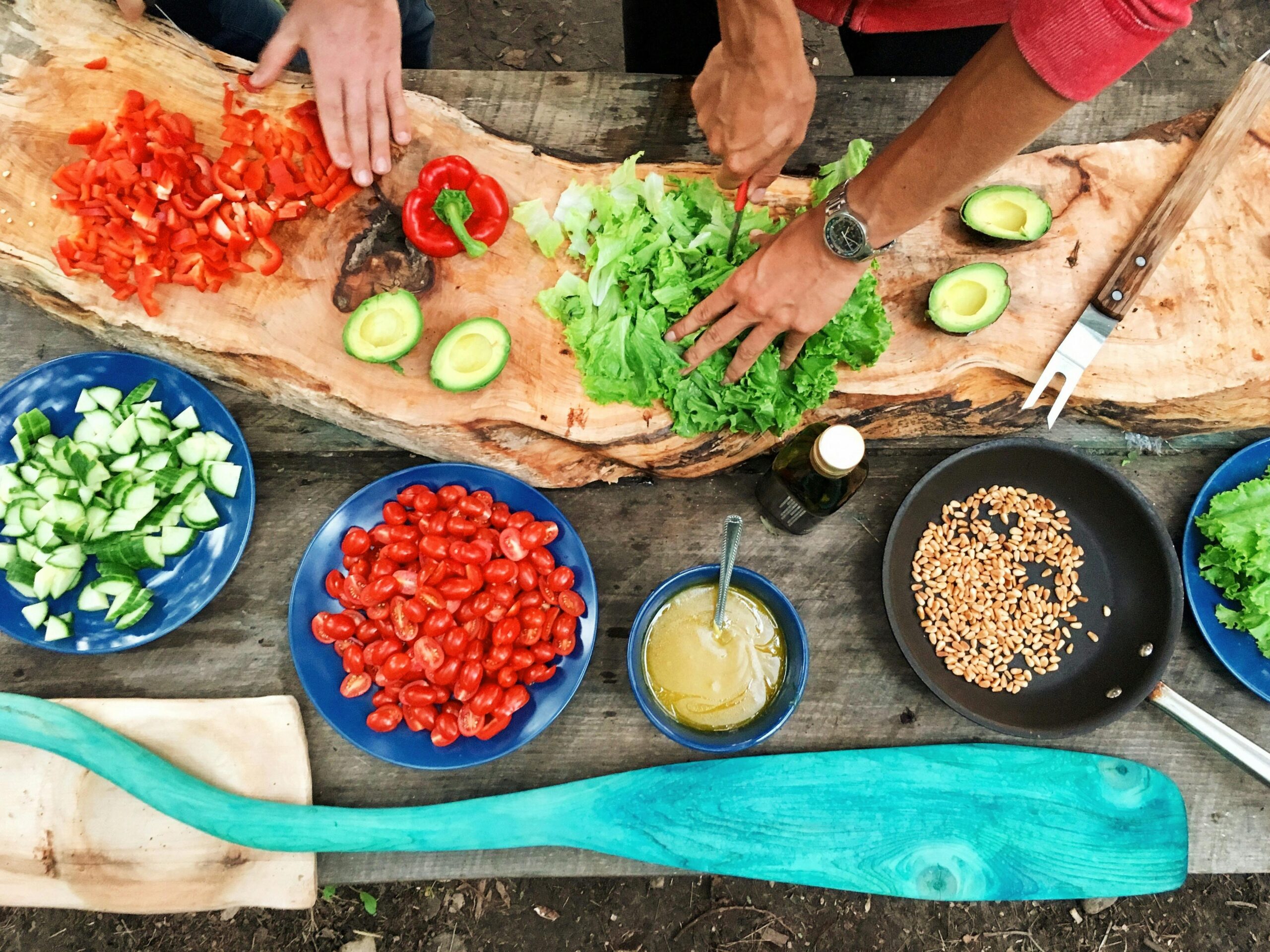
Transforming Kitchen Dread Into Satisfying Ritual
Perhaps the most undervalued benefit of batch-chopping is psychological. When vegetable prep concentrates into a single focused session, it transforms from scattered annoyance into meditative ritual. Many practitioners report finding the rhythmic, repetitive nature genuinely relaxing—a welcome contrast to screen-heavy modern life.
Create an enjoyable atmosphere during prep sessions. Queue up a favorite podcast, audiobook, or playlist. Pour yourself a beverage you enjoy. The session becomes self-care rather than chore, something you anticipate rather than avoid.
The downstream effects ripple throughout your week. Each time you reach for pre-chopped vegetables, you’re reminded of the Sunday afternoon when you invested in your future self. This tangible connection between preparation and reward reinforces healthy habits and builds confidence in your ability to manage household demands efficiently.
Batch-chopping represents more than kitchen efficiency—it’s a philosophy of intentional living. By consolidating preparation into dedicated sessions, you create space for spontaneity and presence during actual mealtimes. Instead of frantically chopping while pasta water boils over, you calmly assemble ingredients, fully present to the cooking process and the people you’re feeding.