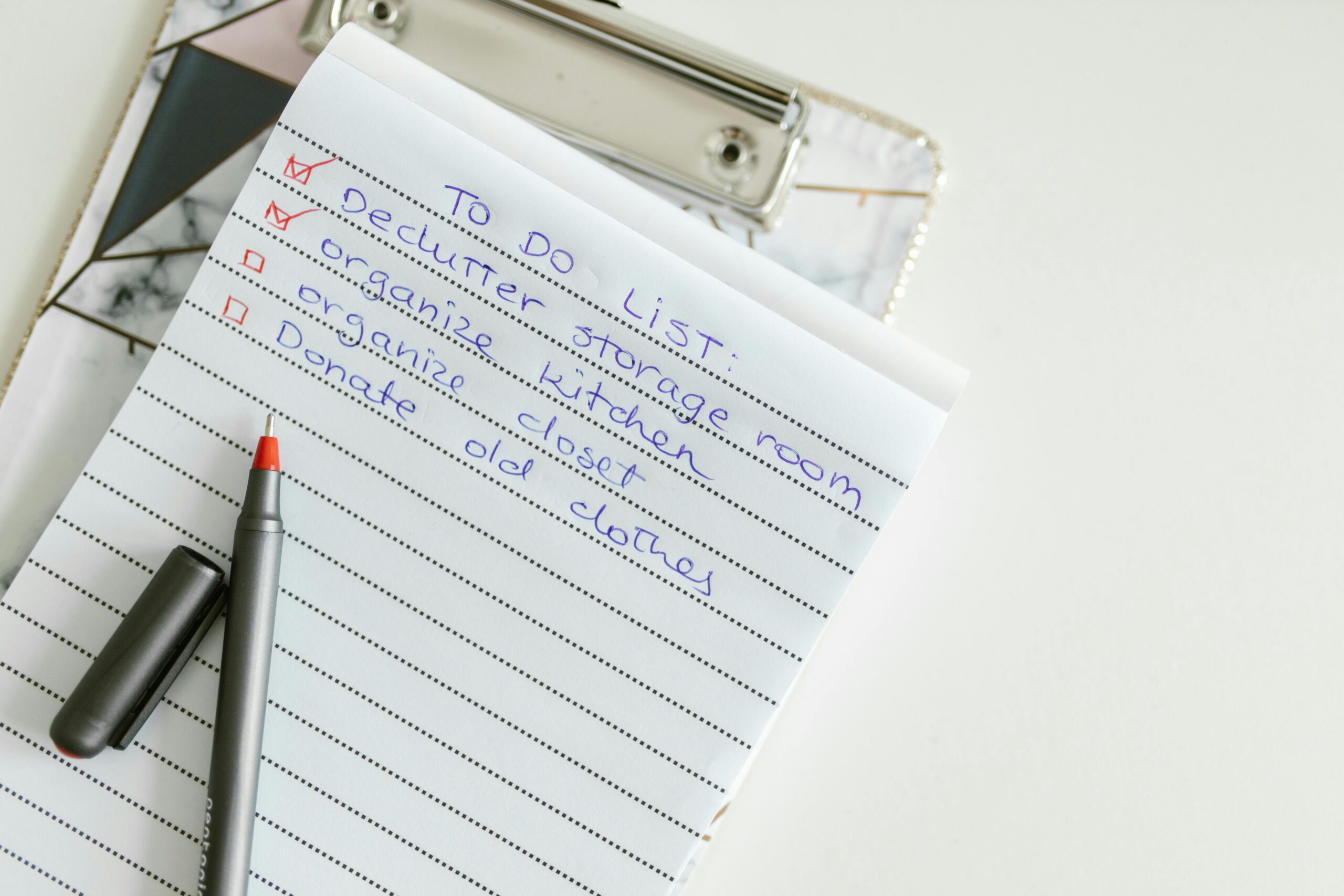
Cooking doesn’t have to mean facing a mountain of dirty dishes afterward. With smart strategies and efficient techniques, you can prepare delicious meals while keeping your kitchen clean and your sanity intact.

The art of low-mess meal prep has revolutionized how busy people approach cooking, transforming what was once a daunting chore into a streamlined, enjoyable process. Whether you’re a working professional, a busy parent, or simply someone who values their time, mastering minimal-dish cooking will change your relationship with your kitchen forever.
🎯 The Philosophy Behind Low-Mess Cooking
Low-mess meal prep isn’t just about being lazy—it’s about being strategic. Every dish you use represents time spent washing, drying, and putting away. By minimizing dishes from the start, you’re actually maximizing your efficiency and creating more time for the things that matter most in your life.
The concept revolves around three core principles: planning before you cook, using multi-purpose tools, and employing cooking methods that consolidate mess into as few vessels as possible. When you embrace these principles, you’ll discover that cooking becomes less stressful and more sustainable as a daily practice.
Essential Tools That Do Multiple Jobs
Investing in the right kitchen tools makes all the difference when streamlining your cooking process. A quality chef’s knife eliminates the need for multiple cutting implements. A large cutting board that can catch scraps saves counter space and reduces cleanup time significantly.
Sheet pans are absolute game-changers for low-mess cooking. These versatile workhorses can roast vegetables, bake proteins, and even handle entire one-pan dinners. Line them with parchment paper or silicone mats, and cleanup becomes almost effortless. Similarly, a good cast-iron skillet transitions seamlessly from stovetop to oven, eliminating the need to transfer food between cookware.
Dutch ovens and large soup pots allow you to build complete meals in a single vessel. From browning meat to simmering sauces and cooking grains, everything happens in one place. The result? Complex, layered flavors with minimal dishes to wash afterward.
🍳 One-Pan Cooking Techniques That Actually Work
Sheet pan dinners have gained popularity for good reason. The technique involves arranging proteins and vegetables on a single pan, seasoning everything appropriately, and letting the oven do the work. The key is understanding cooking times—add quick-cooking items later or cut slower-cooking vegetables smaller to ensure everything finishes simultaneously.
Skillet meals follow a similar logic but offer more control. Start by cooking your protein, set it aside on a plate, then build your sauce or vegetable component in the same pan. Those flavorful brown bits (fond) left behind add incredible depth to your dish. Return the protein at the end to warm through, and you’ve created a restaurant-quality meal with just one pan and one plate.
Foil packet cooking deserves special mention for camping, grilling, or oven use. Seal your ingredients in aluminum foil with seasonings and a bit of liquid, then cook until everything is tender and infused with flavor. When done, simply discard the foil—zero dishes required.
Strategic Ingredient Prep That Saves Mess
How you prepare ingredients dramatically impacts your overall mess level. Instead of using multiple prep bowls, create a “mis en place” directly on your cutting board. Chop vegetables and push them to different corners of the board, keeping everything organized without extra containers.
Prep ingredients in the order you’ll use them, starting with items that need the cleanest knife and board. Vegetables first, then proteins. This approach means you can often complete all your chopping without washing your tools mid-recipe.
Consider batch prepping ingredients during slower moments. Spend thirty minutes on Sunday chopping onions, mincing garlic, and washing greens. Store them properly, and they’ll be ready when you need them throughout the week, dramatically reducing daily meal prep mess.
🥘 Strategic Recipe Selection for Minimal Cleanup
Not all recipes are created equal when it comes to mess generation. Learning to identify and favor low-dish recipes will transform your cooking routine. Look for dishes described as “one-pot,” “sheet pan,” “skillet,” or “dump and go” in recipe titles—these typically minimize cleanup.
Slow cooker and instant pot recipes excel at consolidating mess. Simply add ingredients to the appliance, set the timer, and walk away. Many meals can be served directly from the cooking vessel, eliminating serving dishes entirely. The appliances themselves often have non-stick interiors that clean easily with minimal scrubbing.
Stir-fries and grain bowls offer maximum customization with minimal dishes. Cook your protein, remove it, cook your vegetables in the same pan, then serve everything over pre-cooked grains. Three components, one cooking vessel, endless variety.
The Power of Lining and Covering
Parchment paper, aluminum foil, and silicone baking mats are your best friends in the quest for minimal cleanup. Lining baking sheets before roasting eliminates the need for scrubbing stuck-on food. The sheets stay clean underneath, requiring just a quick wipe after removing the liner.
Silicone baking mats represent a reusable, eco-friendly alternative to disposable liners. They’re non-stick, easy to clean, and last for years. The upfront investment pays for itself quickly in both time saved and reduced foil purchases.
For stovetop cooking, splatter screens prevent oil and sauce from decorating your cooktop and backsplash. This simple tool significantly reduces the after-cooking wipe-down required, keeping your kitchen cleaner throughout the cooking process.
🔥 Smart Cooking Methods That Contain Mess
Certain cooking methods inherently generate less mess than others. Steaming, for instance, keeps everything contained in a single pot with a steamer basket. Poaching cooks food gently in liquid without splattering. Baking and roasting happen inside the oven, containing any mess to easily-cleaned pans.
Pressure cooking and slow cooking seal ingredients inside the appliance, preventing splatters and boil-overs. These methods also tenderize tougher cuts of meat beautifully, allowing you to create impressive dishes without fancy techniques or multiple pans.
When frying is necessary, use deeper pans with higher sides to contain oil splatters. Keep the heat moderate to prevent excessive popping and spitting. Place a baking sheet under your frying pan to catch any drips before they hit the stovetop.
Organizing Your Workflow for Maximum Efficiency
Professional chefs understand that organization determines efficiency. Before you start cooking, read the entire recipe and visualize the process. Identify opportunities to consolidate steps or reuse equipment. This mental preparation prevents mid-recipe scrambling and unnecessary dish multiplication.
Set up cleaning stations as you cook. Keep a large bowl or bag nearby for scraps and packaging. Have a damp towel ready for quick wipe-downs between tasks. Fill your sink with hot soapy water before you start cooking, making it easy to drop items in as you finish with them.
Clean as you go whenever possible. Those moments while water boils or food cooks are perfect for washing a knife, wiping down your cutting board, or putting away ingredients. This approach distributes cleanup throughout the cooking process rather than leaving everything for the overwhelming post-meal pile.
📱 Meal Planning Apps That Support Low-Mess Cooking
Modern technology can help you plan and execute low-mess meals more effectively. Meal planning apps allow you to organize recipes, create shopping lists, and schedule your weekly menu in advance. This preparation helps you identify opportunities for ingredient overlap and strategic meal sequencing.
Some apps specialize in quick, simple recipes that inherently generate less mess. They filter recipes by cooking time, number of ingredients, and equipment needed, making it easy to find dishes that align with your low-mess goals. Recipe scaling features help you cook the right amount, reducing both food waste and leftover container clutter.
🥗 Building Your Low-Mess Recipe Repertoire
Developing a collection of go-to low-mess recipes ensures you always have options when time is tight. Start with five to ten reliable recipes that your household enjoys, then gradually expand from there. Having this foundation eliminates decision fatigue and makes weeknight cooking feel manageable.
Focus on recipes with ingredient overlap. If three of your weekly recipes use onions, garlic, and bell peppers, you can prep all these ingredients at once, creating efficiency across multiple meals. This strategy reduces both prep time and the dishes needed for that prep work.
Don’t overlook simple assembly meals that require minimal or no cooking. Quality ingredients combined thoughtfully can create satisfying meals without generating significant mess. Think grain bowls with rotisserie chicken, salads with pre-washed greens, or wraps with pre-cooked proteins and fresh vegetables.
Strategic Ingredient Substitutions That Simplify
Sometimes swapping one ingredient for another can dramatically reduce your dish count. Pre-minced garlic in jars eliminates the need for garlic presses or extensive knife work. Pre-shredded cheese saves both time and the grater cleanup. Frozen pre-chopped vegetables offer convenience without the multiple cutting board sessions.
While purists might scoff at these shortcuts, they serve an important purpose in sustainable cooking habits. If using a convenience product means you actually cook dinner instead of ordering takeout, that’s a win. Balance convenience with quality where it matters most to you personally.
Pre-marinated proteins from the grocery store can be cooked directly from package to pan, eliminating mixing bowls and marinating containers. Simmer sauces and seasoning blends reduce the number of individual spice jars and measuring implements needed.
🍽️ Serving Strategies That Minimize Dishes
How you serve meals impacts your total dish count significantly. Family-style serving, where everyone portions from shared dishes at the table, eliminates individual plating. Alternatively, serve directly from the cooking vessel when appropriate—a beautiful Dutch oven or cast-iron skillet can go straight to the table.
Bowl meals naturally consolidate food into a single dish per person. Layer your grain, protein, and vegetables in individual bowls, and you’ve eliminated the need for separate plates and side dishes. This approach works for everything from burrito bowls to Asian-inspired rice bowls to Mediterranean grain bowls.
Consider your beverage service as well. Using reusable water bottles throughout the day instead of multiple glasses reduces dishwasher loads. Having designated cups for each family member that get rinsed and reused rather than replaced throughout the day helps too.
The Psychology of Sustainable Low-Mess Habits
Creating lasting change in your cooking habits requires understanding the psychology behind them. Start small rather than attempting to overhaul everything at once. Choose one low-mess technique to implement this week, master it, then add another next week.
Celebrate your successes along the way. Notice how much time you’re saving on cleanup. Acknowledge the reduced stress of facing fewer dirty dishes. These positive reinforcements help cement new habits into permanent lifestyle changes.
Be flexible and forgiving with yourself. Some days will require more dishes—special occasions, experimental cooking, or particularly ambitious recipes. That’s perfectly fine. The goal is reducing average daily mess, not achieving perfection every single time you cook.
🌟 Creating Your Personalized Low-Mess System
Everyone’s kitchen, schedule, and preferences differ, so your low-mess system should reflect your unique situation. Experiment with different techniques and tools to discover what works best for you. Maybe sheet pan dinners are your weeknight savior, or perhaps slow cooker meals better fit your schedule.
Audit your current cooking habits honestly. Where do your dishes pile up most? Which recipes consistently create excessive mess? Identifying your personal pain points allows you to target solutions effectively. Track what works and what doesn’t, refining your approach over time.
Involve your household in the process. If everyone understands the benefits of low-mess cooking and contributes to the effort, success becomes much more achievable. Assign age-appropriate tasks, share favorite recipes, and work together toward a more streamlined kitchen experience.
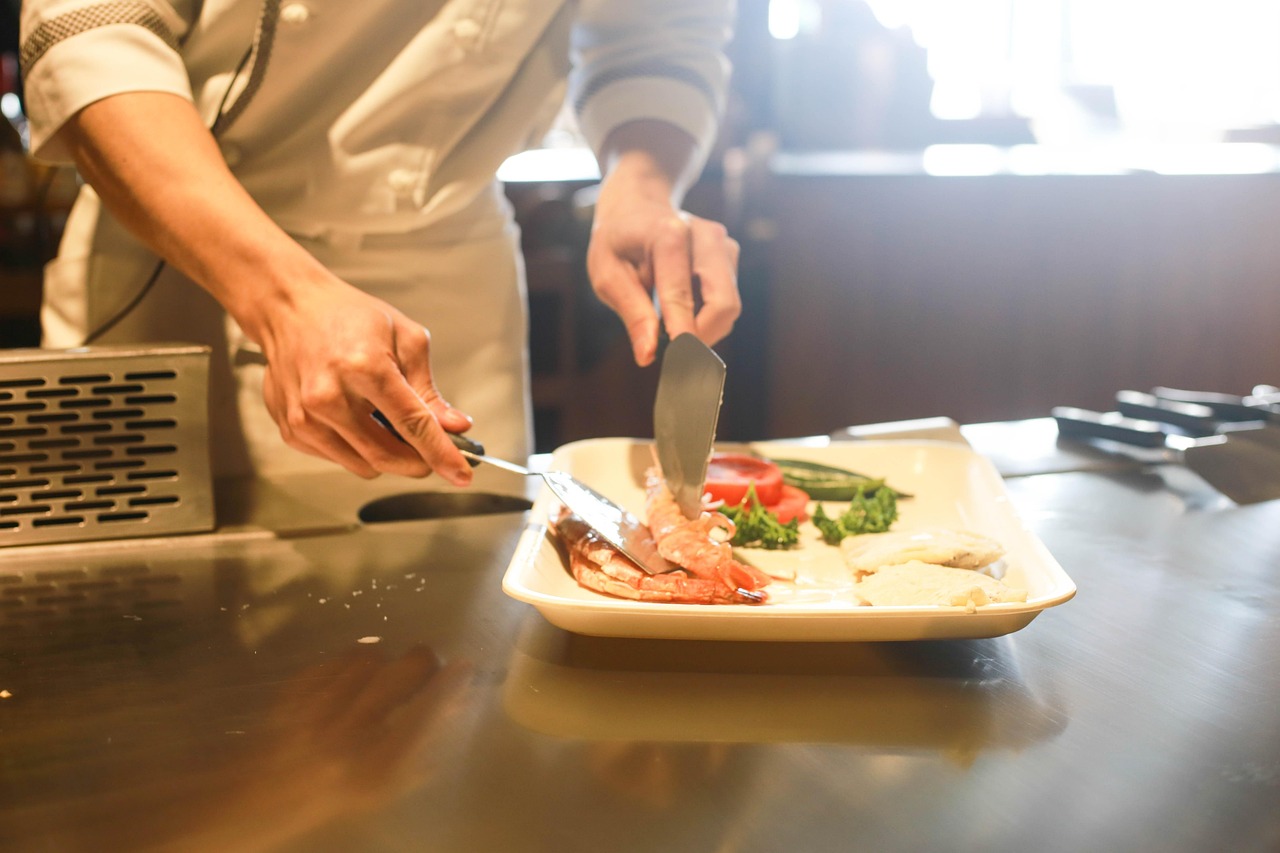
The Long-Term Benefits Beyond Clean Counters
Embracing low-mess meal prep creates ripple effects throughout your life. The time saved on cleanup can be redirected toward exercise, hobbies, relationships, or simply relaxation. The reduced stress of manageable cleanup makes cooking feel less burdensome and more enjoyable.
Financial benefits emerge as well. Cooking at home more consistently saves money compared to restaurant meals and takeout. Reduced food waste from better planning and appropriate portion sizes stretches your grocery budget further.
Environmental impact improves too. Home cooking generally creates less packaging waste than prepared foods. Using reusable tools instead of disposable ones reduces your overall environmental footprint. These seemingly small choices compound into meaningful change over time.
The journey toward streamlined, low-mess cooking is exactly that—a journey rather than a destination. Each meal presents an opportunity to refine your approach, discover new techniques, and build sustainable habits that serve you long-term. Start where you are, use what you have, and take small steps toward the efficient kitchen you envision. Your future self, standing in front of a remarkably clean kitchen after a delicious meal, will thank you for the investment in these skills and strategies today.