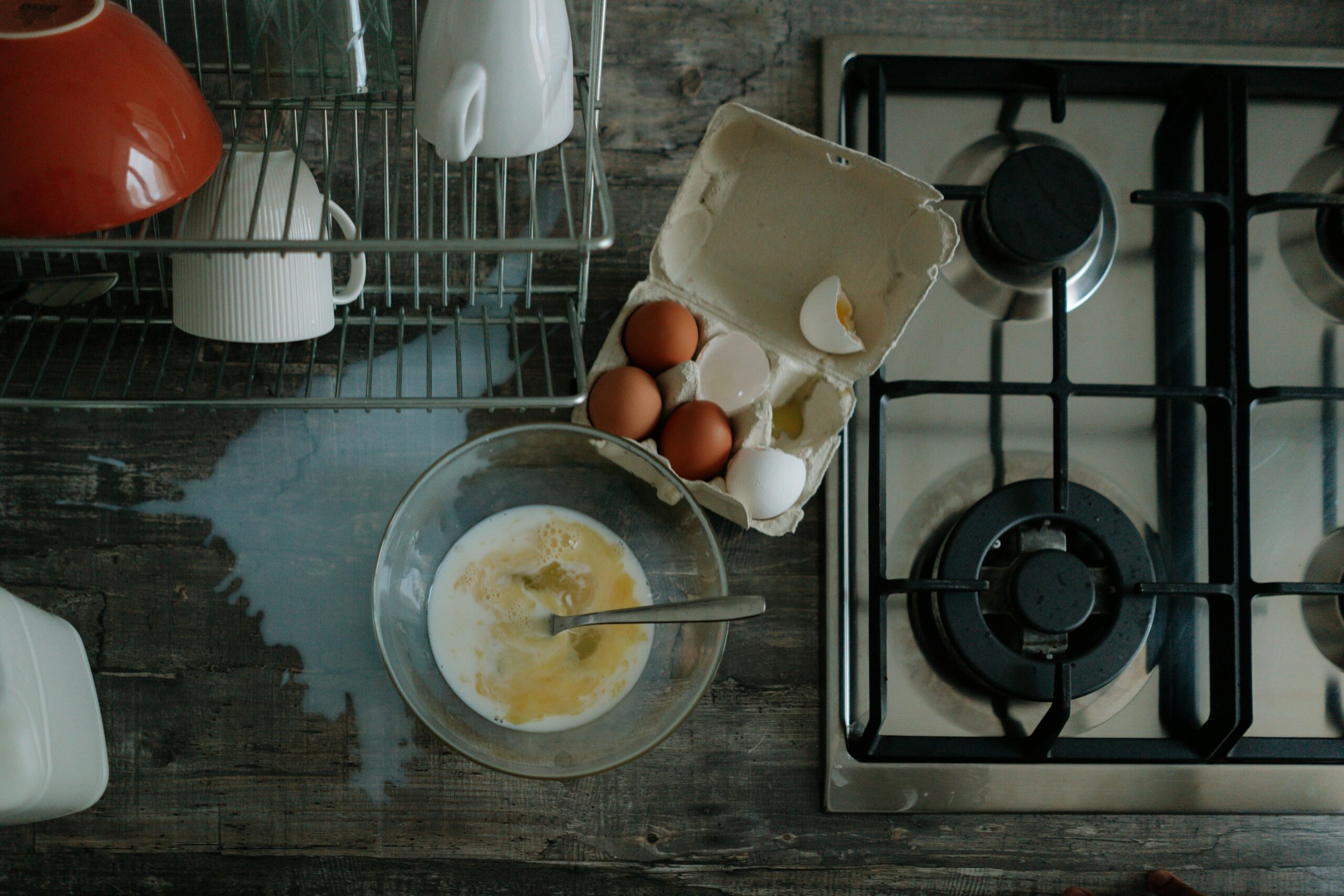
The joy of cooking a delicious meal often comes with an unwelcome companion: a kitchen that looks like a culinary tornado just passed through. But post-meal cleanup doesn’t have to be a daunting task that steals your peace and energy.

With the right approach and a few strategic habits, you can transform your kitchen cleanup routine from a dreaded chore into a smooth, efficient process that leaves you ready and excited for your next cooking adventure. Let’s explore how to streamline your post-meal prep cleanup and reclaim your kitchen space with minimal effort and maximum results.
🎯 The Power of the Clean-as-You-Go Philosophy
The secret to effortless kitchen cleanup begins long before your meal is complete. Embracing a clean-as-you-go approach during cooking can dramatically reduce the overwhelming mess waiting for you after dinner. This proactive strategy means washing utensils while water boils, wiping counters between recipe steps, and putting away ingredients immediately after use.
Professional chefs swear by this method because it maintains kitchen flow and prevents the accumulation of dirty dishes and cluttered surfaces. When you incorporate small cleaning tasks into your cooking rhythm, you’re essentially distributing the workload throughout the entire cooking process rather than facing a mountain of mess at the end.
Start by keeping a damp cloth or sponge within reach while cooking. Every time you finish with a cutting board or knife, give it a quick rinse. When you’re done with the olive oil, return it to the pantry immediately. These micro-actions compound into significant time savings during your final cleanup phase.
Creating Your Post-Meal Cleanup System
A systematic approach to kitchen cleanup eliminates decision fatigue and ensures nothing gets overlooked. Think of your cleanup routine as a series of clearly defined stages, each with its own purpose and sequence. This structure transforms chaos into order and makes the entire process feel less overwhelming.
Stage One: The Immediate Action Items
Right after finishing your meal, tackle the time-sensitive tasks first. Start by transferring leftovers into proper storage containers while the food is still at a safe temperature. This prevents bacterial growth and preserves food quality for your next meal. Place these containers in the refrigerator promptly, maintaining both food safety and kitchen organization.
Next, address any pots or pans with stuck-on food. Fill them with hot, soapy water and let them soak while you handle other tasks. This simple step makes scrubbing significantly easier later and prevents food residue from hardening into difficult-to-remove crusts.
Stage Two: The Sorting Strategy
Before diving into washing, create organized zones for different types of items. Separate dishes into logical categories: glassware, plates, utensils, pots, and pans. This sorting process streamlines both washing and putting away items, as you can batch similar tasks together for maximum efficiency.
If you have a dishwasher, load it strategically by placing the most heavily soiled items where water pressure is strongest, typically on the bottom rack toward the center. Ensure plates face the center spray arm and that nothing blocks the detergent dispenser. For hand-washing, start with the least dirty items first, progressing to greasier pots and pans.
🧼 Mastering the Art of Efficient Dishwashing
Whether you’re loading a dishwasher or washing by hand, technique matters tremendously for speed and effectiveness. For dishwasher users, resist the urge to pre-rinse excessively. Modern dishwashers actually perform better with some food residue present, as their sensors detect soil levels to optimize cleaning cycles. Simply scrape off large food particles and load away.
Hand-washing requires a different strategy for optimal efficiency. Fill one sink basin with hot, soapy water and the other with clean rinse water. Wash items in this order for best results: glassware, flatware, plates and bowls, serving dishes, and finally cookware. This progression prevents grease from contaminating cleaner items.
Invest in quality dish soap that cuts grease effectively, and don’t be afraid to use warmer water than you might think necessary. Hot water dissolves grease far more effectively than lukewarm water, making your scrubbing efforts much more productive. Keep a dedicated brush for bottles and tall glasses to reach every corner without struggle.
Counter and Surface Reset: Creating Visual Calm
Once dishes are under control, turn your attention to surfaces. Clear countertops completely before wiping them down, removing small appliances, cutting boards, and any decorative items. This total clearing allows you to clean thoroughly without working around obstacles and gives you a true fresh start.
Use an appropriate cleaner for your counter material. Granite requires different care than laminate, and butcher block needs special attention to maintain its finish. Wipe in systematic strokes from back to front, pushing crumbs and debris toward the sink or a designated collection point.
Don’t forget often-overlooked surfaces like the stovetop, backsplash, and sink rim. Food splatters travel farther than you might expect during cooking, and these areas accumulate grime that becomes harder to remove over time. A quick wipe after each cooking session prevents buildup and keeps your kitchen looking consistently fresh.
The Floor Sweep Solution
Kitchen floors collect surprising amounts of debris during meal preparation. A quick sweep or vacuum after cooking prevents food particles from being tracked throughout your home and makes deep cleaning sessions less frequent. Keep a small dustpan and brush or a cordless vacuum dedicated to the kitchen for easy access.
For spills or sticky spots, address them immediately with a damp mop or cloth. Fresh spills wipe up in seconds, while dried messes require significantly more elbow grease. This immediate attention also prevents slip hazards and maintains a cleaner overall environment.
♻️ Streamlining Your Trash and Recycling Workflow
An efficient waste management system significantly impacts your cleanup speed. Position your trash bin near your primary prep area, and if possible, keep separate bins for recyclables and compost. This multi-stream approach allows you to sort as you go rather than dealing with everything at once later.
Take out the trash immediately if your bin is full or contains particularly aromatic waste. Nothing dampens kitchen enthusiasm like lingering food odors from yesterday’s meal. Fresh trash bags should always be readily available under your sink or in your trash bin itself for quick replacement.
Compostable materials deserve special mention for environmentally conscious cooks. Vegetable scraps, coffee grounds, and eggshells can be collected in a small counter container designed for this purpose. Empty this daily to prevent fruit fly attraction and maintain a fresh-smelling kitchen.
Organizing as You Clean: The Double Benefit
Post-meal cleanup presents an excellent opportunity to maintain overall kitchen organization. As you put away clean dishes, take an extra moment to ensure items return to their designated spots. This ongoing organization prevents the gradual chaos that accumulates when items are hastily shoved into random cabinets.
Notice patterns in your cooking habits and adjust your organization accordingly. If you constantly reach for the same spices, move them to a more accessible location. When certain pots get used repeatedly, store them in the most convenient cabinet. Your cleanup routine becomes smoother when your kitchen layout supports your actual cooking behavior.
Implementing the One-Touch Rule
Professional organizers recommend the one-touch rule: handle each item only once during cleanup. Rather than setting a clean pot on the counter to “put away later,” take the extra five seconds to return it to its cabinet immediately. This discipline eliminates the secondary cleanup session that happens when you finally address all those “I’ll deal with it later” items.
🌟 Special Situation Solutions
Some meals create unique cleanup challenges that require adapted strategies. Deep-frying, for instance, leaves you with used oil that cannot simply be poured down the drain. Keep a designated container for cooling and storing used cooking oil, which can be properly disposed of later or reused for appropriate dishes.
Baking sessions generate their own specific mess, with flour dust settling on seemingly every surface. Address this with a slightly damp cloth rather than a dry one, which would simply spread the fine powder around. Wipe mixing bowls with a paper towel before washing to remove excess batter that would otherwise clog your sink.
Holiday cooking or large gatherings multiply the cleanup challenge exponentially. For these occasions, implement a staging area where dirty dishes accumulate in an organized manner. Rinse items briefly before stacking them, and consider running multiple dishwasher loads throughout the event rather than facing everything at once at the end.
Time-Saving Tools and Products Worth Having
Strategic investments in cleanup tools can dramatically reduce your post-cooking workload. A good quality scrub brush with replaceable heads saves money over time and cleans more effectively than worn-out sponges. Microfiber cloths outperform traditional dish towels for both cleaning and drying, leaving surfaces streak-free and absorbing significantly more water.
Consider these kitchen cleanup essentials that earn their keep:
- A large drying mat that can accommodate numerous dishes without taking up excessive counter space
- A sink caddy that keeps sponges, brushes, and dish soap organized and accessible
- Dishwasher-safe storage containers that eliminate hand-washing time for leftovers
- A good degreasing dish soap formulated to cut through cooking oils effectively
- Silicone baking mats and air fryer liners that prevent mess before it happens
- A handheld vacuum for quick floor cleanup without dragging out full-size equipment
Building Sustainable Cleanup Habits
The difference between a chaotic kitchen and an efficiently managed one often comes down to consistent habits rather than occasional deep-cleaning marathons. Establish a non-negotiable rule that the kitchen must be fully reset before you go to bed each night. This ensures you always start your morning with a clean slate and prevents the overwhelming accumulation of mess.
Create accountability by setting a timer for your cleanup routine. Challenge yourself to complete the full reset in a specific timeframe, gradually improving your efficiency. This gamification approach makes the task feel less tedious and helps you identify areas where you can streamline further.
Getting Family Members on Board
Cleanup shouldn’t fall on one person’s shoulders. Distribute tasks among household members, assigning age-appropriate responsibilities that teach valuable life skills. Young children can clear their own plates and wipe down the table, while older family members can tackle dishes or take out trash.
Make expectations clear and consistent. When everyone knows their role in the post-meal reset, the process moves faster and creates less resentment. Consider rotating responsibilities weekly to prevent boredom and ensure everyone develops competency in all cleanup aspects.
🚀 The Mental Benefits of a Clean Kitchen
Beyond the practical advantages, maintaining a clean, organized kitchen delivers significant psychological benefits. A cluttered, messy cooking space creates mental stress and reduces your motivation to prepare healthy home-cooked meals. Conversely, walking into a pristine, ready-to-use kitchen inspires culinary creativity and makes cooking feel like pleasure rather than burden.
The sense of completion that comes from a fully reset kitchen provides genuine satisfaction. You’re not just cleaning up after one meal; you’re preparing the stage for your next culinary adventure. This forward-thinking perspective transforms cleanup from looking backward at mess to looking forward toward possibility.
Professional home organizers note that kitchen cleanliness directly correlates with overall household stress levels. When your kitchen—often the true heart of the home—functions smoothly and looks inviting, that calm energy extends throughout your living space and daily life.
Preventing Future Mess: Proactive Strategies
The easiest cleanup is the one you never have to do. Implementing mess-prevention strategies during cooking significantly reduces your post-meal workload. Line baking sheets with parchment paper or silicone mats before roasting vegetables. Use splatter screens when frying to contain oil droplets. Place a large cutting board or mat under your prep area to catch falling ingredients.
Measure ingredients over the sink or a bowl rather than directly over your mixing bowl. This small adjustment means spills land in easily cleaned locations rather than creating countertop mess. Keep a “garbage bowl” on your counter during prep for scraps and packaging, eliminating multiple trips to the trash can that spread debris throughout your kitchen.
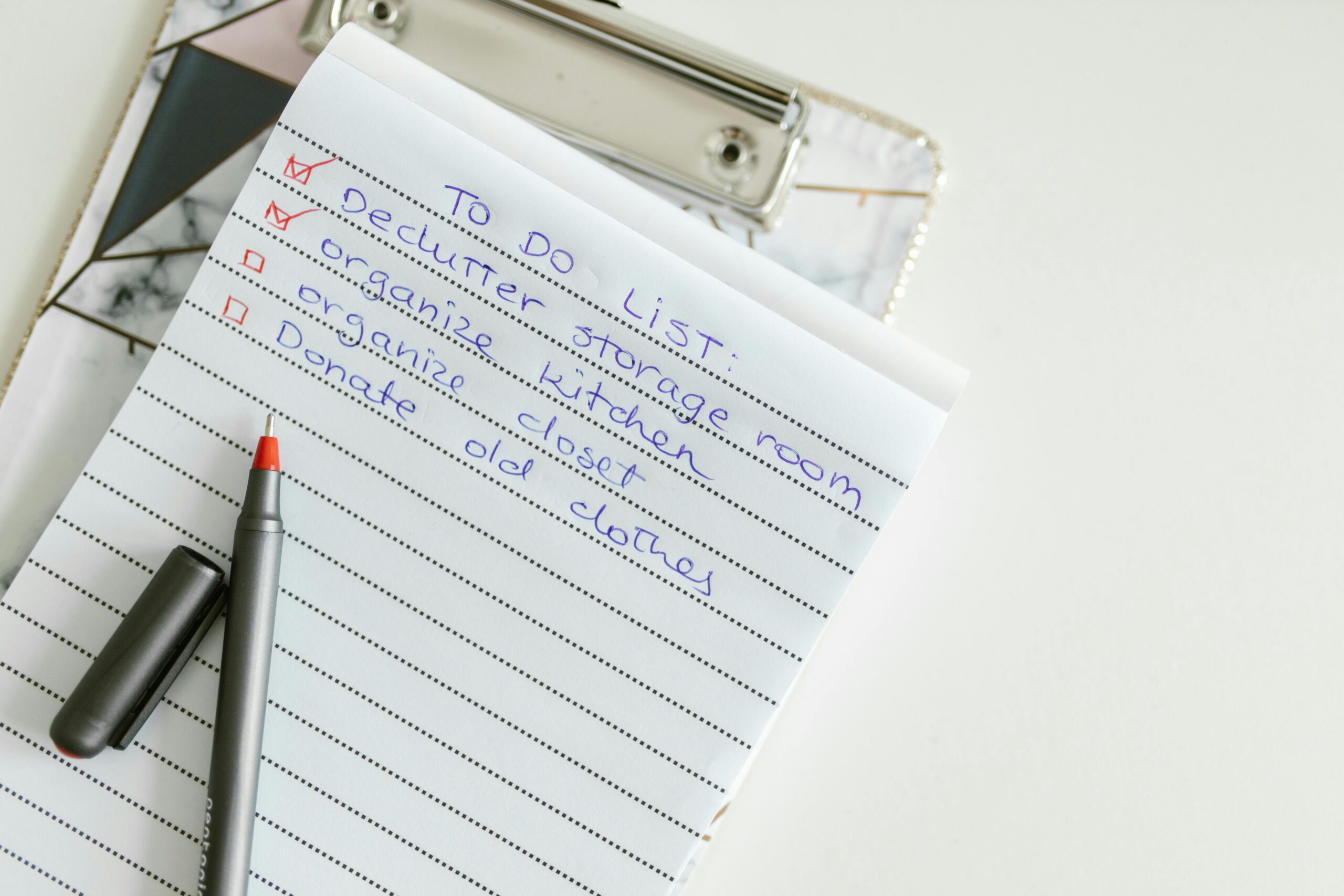
Your Kitchen Reset Checklist for Success
To ensure nothing gets overlooked during your post-meal cleanup, follow this comprehensive checklist that covers all essential areas:
- Store all leftovers properly in sealed containers
- Load or hand-wash all dishes, utensils, and cookware
- Wipe down all countertops and cooking surfaces
- Clean the stovetop and oven door if needed
- Wipe cabinet fronts and handles to remove food residue
- Scrub the sink and run the disposal with ice and citrus peels
- Sweep or vacuum the floor, addressing any spills
- Take out trash and recycling if bins are full
- Hang or fold dish towels neatly
- Return all items to their proper storage locations
- Run the dishwasher before bed if it’s full
- Do a final visual scan for any missed areas
Embracing the Fresh Start Mindset
Your kitchen cleanup routine represents more than just practical maintenance. It’s a daily practice of creating order from chaos, a meditation in motion that brings closure to one meal while opening possibilities for the next. When you approach this task with intentionality rather than resentment, the entire experience shifts from burden to ritual.
Many successful home cooks report that their cleanup routine has become a peaceful transition time between the activity of dinner and the relaxation of evening. It’s a chance to move your body, listen to music or podcasts, and process the day while your hands work through familiar, satisfying motions.
The kitchen you leave behind tonight becomes the kitchen you meet tomorrow morning. By investing twenty focused minutes in a thorough cleanup now, you gift your future self with a welcoming, functional space that invites rather than intimidates. This simple practice of consideration for your future needs exemplifies the self-care that supports sustained healthy eating habits and culinary enthusiasm.
Streamlining your post-meal prep cleanup isn’t about achieving perfection or maintaining a showroom-ready kitchen at all times. It’s about developing efficient systems that work for your lifestyle, reducing unnecessary stress, and creating an environment that supports your cooking goals. With these strategies in place, you’ll find that resetting your kitchen becomes a quick, almost automatic process that frees you to focus on what really matters: enjoying delicious food and the satisfaction of creating it yourself. Your next culinary adventure awaits, and now your kitchen will always be ready.