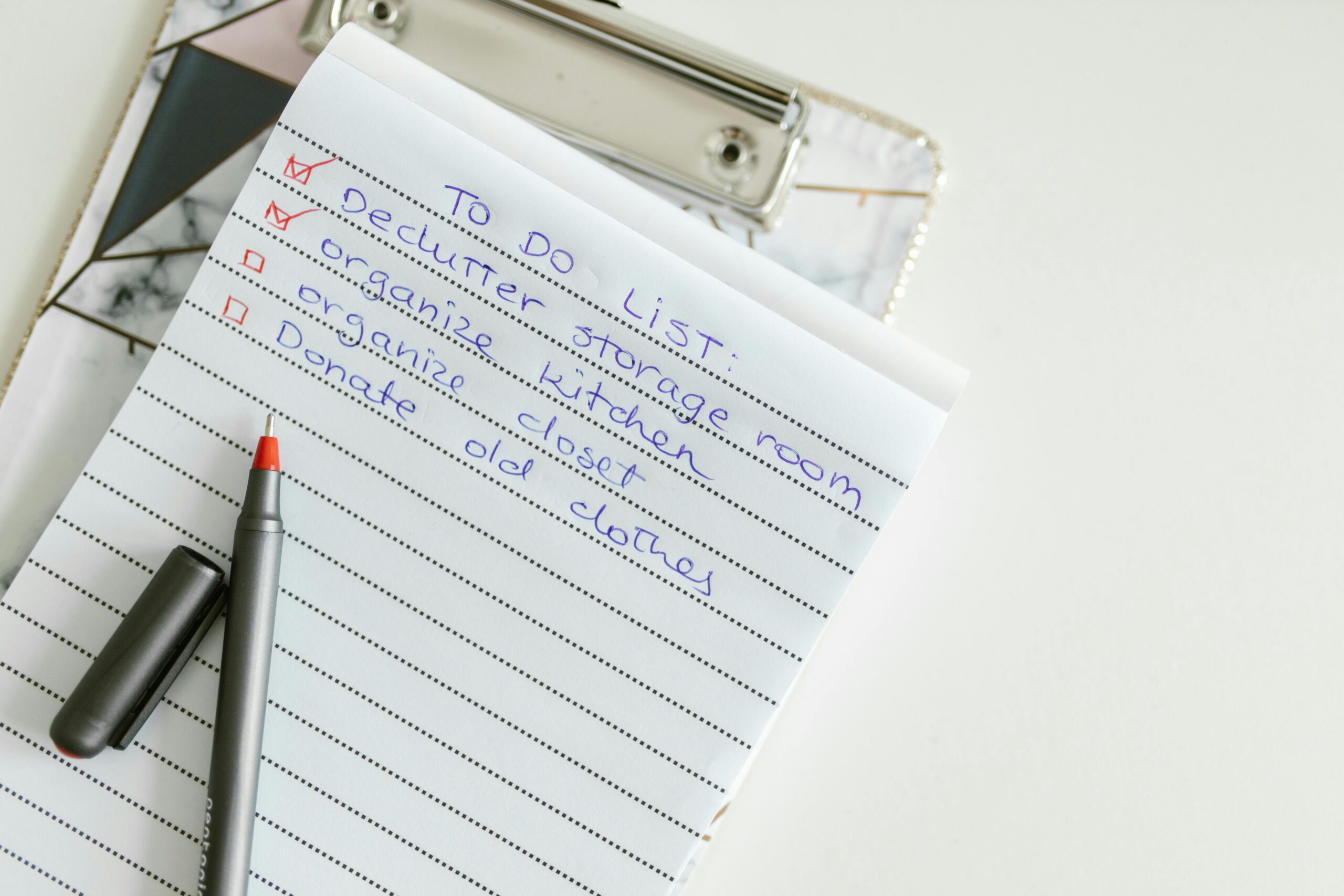
Keeping your cleaning supplies organized can transform chaos into efficiency. A well-structured location mapping system ensures you always know where everything is, saving time and reducing stress during your cleaning routines.

Whether you’re managing a household, overseeing a commercial facility, or running a professional cleaning business, the frustration of searching for supplies is universal. Imagine opening a closet and instantly knowing where each product belongs, or training new staff members who can locate items without constant supervision. This level of organization isn’t just a dream—it’s entirely achievable with the right mapping template approach.
🗺️ Why Location Mapping Matters for Cleaning Supplies
The concept of location mapping extends far beyond simple labeling. It creates a visual and systematic framework that connects physical spaces with inventory management. When you implement a comprehensive mapping system, you’re essentially building a GPS for your cleaning arsenal.
Traditional storage methods often fail because they lack consistency. One person places the glass cleaner under the sink, while another stores it in the utility closet. This inconsistency leads to duplicate purchases, wasted time, and frustration. A location mapping template eliminates these issues by establishing clear, documented storage protocols that everyone can follow.
Professional cleaning services have long understood this principle. They use zone-based systems that assign specific supplies to designated areas, reducing the time spent transporting materials and increasing productivity. Now, these same strategies can be applied to any cleaning environment, regardless of scale.
Essential Components of an Effective Mapping Template
Creating a functional location mapping system requires several key elements working together harmoniously. Each component plays a specific role in maintaining organization and accessibility.
Physical Space Assessment
Begin by conducting a thorough inventory of your available storage spaces. Document every closet, cabinet, shelf, and storage room where cleaning supplies could be kept. Take measurements and photograph each area to create a visual reference library. This documentation becomes the foundation of your mapping system.
Consider factors like proximity to water sources, ventilation for chemical storage, and accessibility for frequently used items. Not all storage spaces are created equal, and strategic placement can significantly impact efficiency.
Supply Categorization Strategy
Organize your cleaning supplies into logical categories that reflect how you actually use them. Common groupings include:
- Surface cleaners (countertops, glass, wood)
- Floor care products (mops, brooms, floor cleaners)
- Bathroom-specific supplies
- Kitchen-focused items
- Specialty tools and equipment
- Paper products and disposables
- Safety equipment (gloves, masks, goggles)
These categories should align with your cleaning workflow. If you typically clean all bathrooms in sequence, storing all bathroom supplies together makes practical sense.
Zone Designation and Color Coding
Assign each storage area a zone designation—Zone A for the main utility closet, Zone B for under-sink storage, and so forth. Implement a color-coding system that provides instant visual recognition. Blue labels might indicate general cleaning supplies, while green represents eco-friendly products and red signifies hazardous chemicals requiring special handling.
📋 Building Your Custom Location Map
With the foundational understanding in place, you can now construct your personalized mapping template. This process combines digital documentation with physical labeling to create a comprehensive system.
Digital Template Creation
Start with a simple spreadsheet or diagram tool to create your master map. Include columns for item name, category, zone location, shelf position, quantity on hand, and reorder level. This digital record serves as your central reference point that can be accessed by anyone who needs it.
For visual learners, consider creating a floor plan diagram that shows the physical layout of your storage areas. Mark each zone clearly and include a legend that explains your categorization and color-coding systems. This visual representation makes training new users significantly easier.
Physical Implementation Steps
Once your digital template is complete, translate it into physical reality. Install shelving systems that maximize vertical space and create clear divisions between categories. Use clear storage containers with labels facing forward for easy identification.
Apply your zone labels prominently at each storage location. Consider using label makers for a professional appearance that withstands moisture and wear. Position your most frequently used items at eye level, with less common supplies on higher or lower shelves.
Optimizing Storage for Maximum Efficiency ⚡
Effective organization goes beyond simply having a place for everything. It requires thoughtful consideration of workflow patterns and ergonomic principles.
The Frequency Principle
Apply the frequency principle by placing daily-use items in the most accessible locations. Weekly items can occupy secondary positions, while monthly or seasonal supplies can be stored in less convenient areas. This approach minimizes unnecessary movement and physical strain.
Track which supplies you use most often over a month-long period. You might be surprised to discover that your assumptions don’t match actual usage patterns. Adjust your mapping accordingly to reflect reality rather than theory.
Task-Based Clustering
Group supplies according to specific cleaning tasks rather than product types. Create a “bathroom cleaning caddy” zone that contains everything needed for that specific job—toilet cleaner, tile spray, scrub brushes, and microfiber cloths. This task-based approach eliminates the need to gather supplies from multiple locations before starting work.
Consider creating portable supply kits for different areas or tasks. These pre-assembled kits can be stored in their designated zones and grabbed quickly when needed, dramatically reducing preparation time.
🔄 Maintaining Your Mapping System
Implementation is only the beginning. A location mapping system requires ongoing maintenance to remain effective over time.
Regular Audits and Updates
Schedule quarterly audits to verify that items are in their designated locations and that your mapping template still reflects current needs. Business operations evolve, new products enter the market, and cleaning priorities shift. Your system should be flexible enough to accommodate these changes.
During audits, check for expired products, damaged supplies, and overstocked items. Update your digital template to reflect any adjustments made to physical locations or inventory levels.
Training and Compliance
The most sophisticated mapping system fails if people don’t use it correctly. Invest time in training everyone who interacts with your cleaning supplies. Create a simple one-page quick reference guide that explains the zone system and categorization logic.
Make compliance easy by ensuring that returning items to their proper locations requires minimal effort. If the system is cumbersome, people will naturally revert to old habits. Convenience drives consistency.
Advanced Strategies for Professional Results
Once your basic mapping system is functioning smoothly, consider implementing advanced features that provide additional benefits.
Inventory Management Integration
Link your location mapping template to an inventory management system that tracks usage rates and automatically generates reorder alerts. This integration prevents stockouts and reduces the capital tied up in excess inventory.
Create minimum and maximum quantity thresholds for each item. When supplies drop below the minimum level, the system triggers a purchase request. This automation eliminates the guesswork from inventory management.
Mobile Accessibility
Transform your location map into a mobile-friendly format that can be accessed via smartphone or tablet. Staff members can quickly reference the system while in the field, reducing confusion and improving independence.
Consider using QR codes placed at each storage zone that link directly to that section of your digital template. Scanning the code instantly displays what should be stored in that location, making compliance checks effortless.
📊 Measuring Success and ROI
Quantifying the benefits of your location mapping system helps justify the time and resources invested in its creation.
| Metric | Before Mapping | After Mapping | Improvement |
|---|---|---|---|
| Time spent locating supplies | 15 minutes/day | 3 minutes/day | 80% reduction |
| Duplicate purchases | $200/month | $40/month | $1,920 annual savings |
| Supply stockouts | 8/month | 1/month | 87.5% reduction |
| Training time for new staff | 4 hours | 1 hour | 75% reduction |
These improvements translate directly into cost savings and productivity gains. The time saved searching for supplies can be redirected toward actual cleaning work, increasing overall efficiency without adding labor costs.
Common Pitfalls to Avoid 🚫
Understanding potential obstacles helps you design a more resilient system from the start.
Over-Complexity Syndrome
The temptation to create an overly detailed system with dozens of categories and subcategories can backfire. Simplicity drives adoption. If your system requires consulting a manual to return a bottle of cleaner, it’s too complicated. Aim for intuitive organization that makes sense at first glance.
Neglecting Physical Constraints
Don’t force your ideal organizational structure onto inadequate storage spaces. Work within your physical limitations or invest in appropriate storage solutions. Attempting to store large equipment in small spaces creates frustration and ensures system failure.
Static Planning
Avoid treating your location map as a permanent fixture. Build flexibility into your system from day one. Use adjustable shelving, movable labels, and digital templates that can be easily modified. Business needs change, and your organizational system should evolve accordingly.
Scaling Your System Across Multiple Locations 🏢
For organizations managing cleaning supplies across multiple sites, consistency becomes paramount. A standardized location mapping template ensures that employees can work efficiently regardless of which facility they’re assigned to.
Develop a master template that defines universal categories, zone designations, and color codes. Each location implements this standardized framework while accommodating site-specific variations. This approach balances consistency with necessary flexibility.
Create a central digital repository where all location maps are stored and updated. This centralization facilitates knowledge sharing and allows management to identify best practices that can be replicated across the organization.
Leveraging Technology for Enhanced Organization 💡
Modern technology offers numerous tools to enhance traditional location mapping systems. Inventory management apps can track supply levels in real-time and send alerts when restocking is needed. These digital solutions integrate seamlessly with your location mapping template, creating a comprehensive management ecosystem.
Barcode scanning systems allow for rapid inventory checks and ensure accurate record-keeping. Simply scan items as they’re used or restocked, and the system automatically updates quantities and locations. This technology eliminates manual data entry and reduces human error.

Transforming Chaos Into Clean Efficiency
A well-designed location mapping template revolutionizes how you manage cleaning supplies, transforming a historically frustrating aspect of facility management into a streamlined, efficient process. The initial time investment in creating and implementing your system pays dividends through reduced stress, lower costs, and improved productivity.
Start small if the prospect of mapping your entire supply inventory feels overwhelming. Begin with your most problematic storage area or highest-use supplies. As you experience the benefits firsthand, you’ll naturally expand the system to cover additional areas. Perfection isn’t the goal—improvement is.
Remember that organization is a journey rather than a destination. Your location mapping template will evolve as you discover what works best for your specific situation. Stay committed to the core principles of categorization, accessibility, and documentation, and you’ll maintain an organizational system that serves your needs for years to come.
The difference between a chaotic supply closet and a perfectly organized storage system lies not in having more space or better products—it’s about implementing smart systems that make maintaining order effortless. Your location mapping template is the blueprint for that transformation, turning everyday cleaning routines into smooth, efficient operations that save time, money, and sanity.