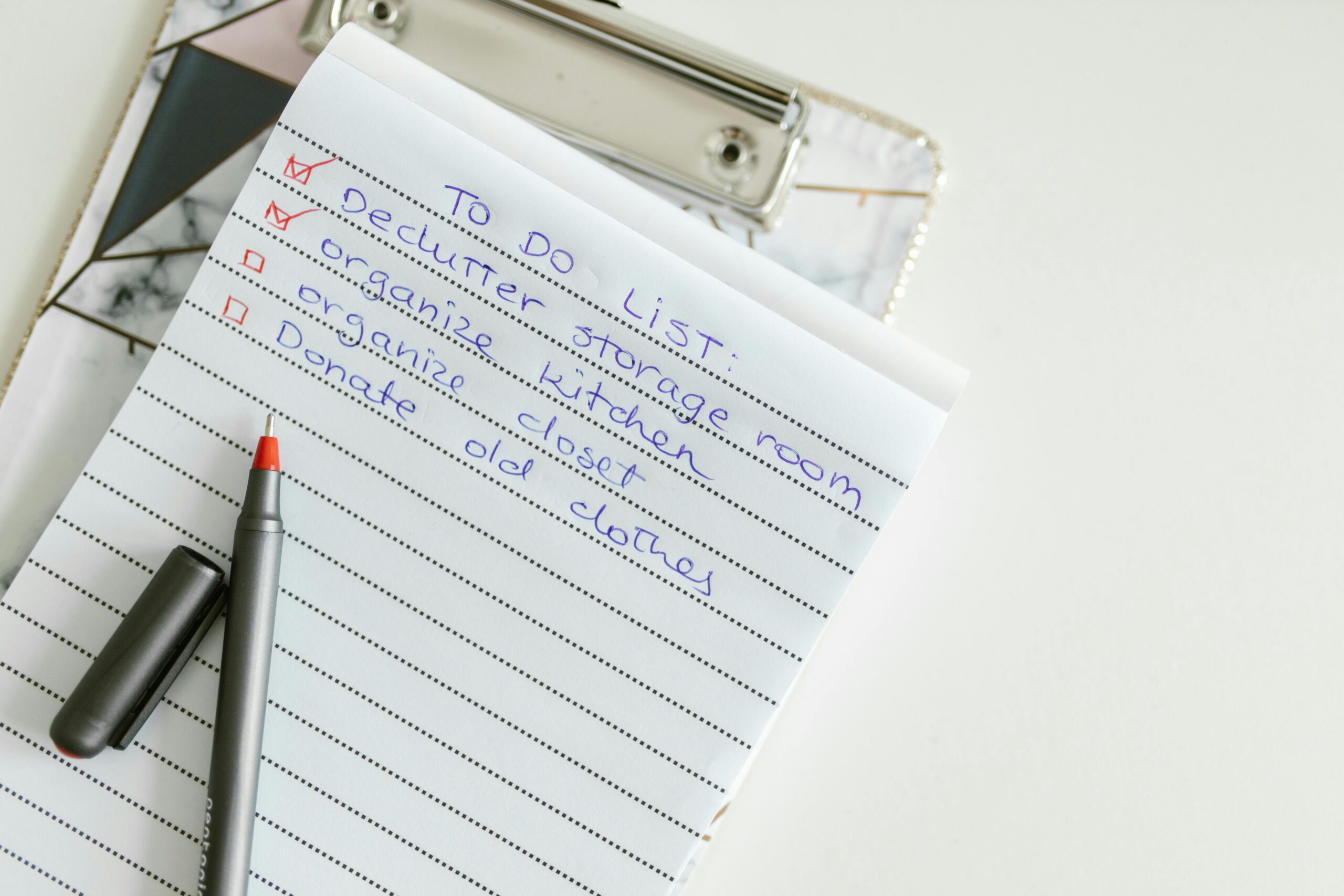
Walking through your front door should feel like a breath of fresh air, not a navigation course through scattered keys, unopened mail, and bags dumped on the floor. A well-organized entryway sets the tone for your entire home.

The chaos that greets you at your doorway isn’t just visually overwhelming—it’s a daily source of stress that affects your morning routine and mental clarity. Creating a functional drop zone in your entryway transforms this high-traffic area from cluttered confusion into an organized command center that actually works with your lifestyle. With the right mapping template and strategic planning, you can reclaim this valuable space and never again waste precious minutes searching for your car keys or important documents.
🗺️ Understanding the Drop Zone Concept
A drop zone is essentially a designated landing spot for all the items you carry in and out of your home daily. Think of it as a personalized organizational system that acknowledges human behavior rather than fighting against it. Instead of hoping family members will magically become tidier, you’re creating intentional spaces where everything naturally lands.
The beauty of drop zone mapping lies in its customization potential. Your entryway drop zone should reflect your household’s specific needs, whether you’re a busy parent juggling kids’ backpacks and permission slips, a professional managing work bags and dry cleaning, or someone living alone who still deserves an organized arrival experience.
The Psychology Behind Effective Drop Zones
Our brains are wired to follow the path of least resistance. When you walk through the door juggling groceries, mail, and a coat, you’ll naturally drop everything in the most convenient spot. A properly mapped drop zone works with this instinct by making the organized option the easiest option. This behavioral design principle is what separates successful organization systems from those that fail within days.
📐 Creating Your Custom Drop Zone Mapping Template
Before purchasing any organizational products or rearranging furniture, you need a solid plan. A drop zone mapping template helps you visualize your space and strategically allocate zones for different item categories. This planning phase prevents costly mistakes and ensures every inch of your entryway serves a purpose.
Start by measuring your entryway dimensions accurately. Note the location of doors, light switches, electrical outlets, and any architectural features like built-in shelving or coat closets. Photograph your space from multiple angles to reference during the planning process.
Essential Zones to Include in Your Template
Every effective drop zone mapping template should account for these critical areas:
- Key station: A dedicated spot at eye level or slightly below where keys always live, preventing the frantic morning search
- Mail sorting area: Tiered trays or slots for incoming mail, bills to pay, and items requiring action
- Bag parking: Hooks, cubbies, or bench storage for purses, backpacks, work bags, and laptop cases
- Seasonal accessories: Space for items that rotate based on weather—sunglasses and sunscreen in summer, hats and gloves in winter
- Quick-grab essentials: A designated spot for wallets, phone chargers, masks, hand sanitizer, and other daily necessities
- Shoe management: A system that keeps footwear contained and prevents entryway congestion
- Outerwear solutions: Hooks or a small closet for coats and jackets that don’t belong in bedroom closets
🔑 Mastering the Key Management System
Lost keys rank among the top causes of morning stress and delayed departures. Your drop zone template must prioritize key organization with foolproof systems that work even when you’re exhausted, distracted, or rushing.
The key station should be positioned in your natural line of movement as you enter the home. Most right-handed people naturally place items to their right upon entry, while left-handed individuals tend toward the left. Consider this when positioning your key hooks or bowl.
Key Organization Options That Actually Work
Different households need different key solutions. A wall-mounted magnetic key holder offers sleek, modern appeal and prevents keys from getting buried. Decorative hooks provide visual interest while serving function. A charging station with key slots combines technology and traditional organization for homes where phones and keys always travel together.
For households with multiple drivers or family members, label individual hooks or assign each person a specific color-coded key identifier. This simple system prevents the “whose keys are whose” confusion that derails busy mornings.
📬 Mail Organization Strategies That Eliminate Paper Piles
Mail is insidious. One day’s delivery seems manageable, but three days of unopened envelopes creates a paper avalanche that takes over surfaces throughout your home. Your drop zone mapping template must include a mail processing system that keeps paper under control.
Create a tiered mail sorting system with clearly labeled categories: urgent action required, bills to pay, items to read or review, mail for other household members, and recycling. This immediate sorting prevents the dreaded mixed pile where important documents hide among junk mail and catalogs.
The One-Touch Mail Rule
Implement the one-touch rule: handle each piece of mail only once when possible. As you collect mail from the box, immediately sort it into your designated categories. Junk mail goes straight to recycling without ever entering your living space. This disciplined approach takes seconds but saves hours of sorting later.
Schedule a weekly mail processing appointment with yourself—perhaps Sunday evening or Monday morning—when you handle all accumulated action items. Mark this appointment in your calendar like any other important commitment, because it is.
👜 Bag Storage Solutions for Every Lifestyle
Bags present unique organizational challenges because they vary dramatically in size, shape, and daily necessity. Your mapping template should accommodate work bags, gym bags, diaper bags, grocery totes, purses, and backpacks without creating a tangled mess.
Wall-mounted hooks work beautifully for bags you grab daily, keeping them visible and accessible. Install hooks at varying heights to accommodate both adult bags and children’s backpacks. Heavy-duty hooks are essential—flimsy hardware will fail under the weight of loaded work bags or backpacks stuffed with textbooks.
Creating Dedicated Bag Zones
Consider implementing a cubby system if your family includes multiple bag users. Each person gets an assigned cubby that holds their daily bag plus related accessories. This personalized approach teaches children organizational responsibility while preventing the “that’s my bag!” arguments.
For handbags and smaller purses, shelf dividers or hanging organizers maximize vertical space while keeping bags in shape. Storing bags properly extends their lifespan and makes it easier to rotate your collection based on outfit or occasion.
🛠️ Materials and Tools for Drop Zone Success
Once you’ve created your mapping template, it’s time to source the physical components that bring your plan to life. Quality materials make the difference between a drop zone that lasts years and one that collapses within months.
Invest in solid wood or metal organizational pieces rather than particle board alternatives. Your entryway endures constant use, temperature fluctuations, and humidity changes. Cheap materials warp, break, and create more frustration than they solve.
Must-Have Drop Zone Components
| Component | Purpose | Recommended Material |
|---|---|---|
| Key hooks or tray | Centralized key storage | Metal hooks or ceramic/wood bowl |
| Mail sorter | Categorize incoming paper | Wire mesh, wood, or acrylic |
| Bag hooks | Off-floor bag storage | Heavy-duty metal hooks rated for 10+ pounds |
| Shoe rack or tray | Contain footwear | Waterproof plastic or metal with drainage |
| Bulletin board or calendar | Display schedules and reminders | Cork, magnetic, or dry-erase surface |
| Small baskets or bins | Corral miscellaneous items | Woven baskets or plastic bins with handles |
🎨 Designing an Entryway That Reflects Your Style
Functionality doesn’t require sacrificing aesthetics. Your drop zone should seamlessly integrate with your home’s design language while serving its organizational purpose. The most successful drop zones become attractive focal points rather than purely utilitarian spaces.
Choose organizational components in finishes and colors that complement your existing décor. Matte black metal works beautifully in modern and industrial spaces. Natural wood tones warm up traditional and farmhouse interiors. Colorful bins and baskets add playful energy to family-friendly homes.
Balancing Form and Function
Decorative elements enhance your drop zone without compromising organization. A mirror serves double duty by providing last-minute appearance checks while visually expanding small entryways. A table lamp or wall sconce adds warmth and makes evening key-finding infinitely easier. Fresh flowers or a small plant bring life to the space without cluttering surfaces.
Art or meaningful photographs personalize your entryway and create positive emotional associations with the space. When your drop zone feels welcoming rather than clinical, you’re more likely to maintain the organizational systems you’ve implemented.
👨👩👧👦 Adapting Your Drop Zone for Family Dynamics
Single-person households have vastly different drop zone needs than families with multiple children. Your mapping template must scale to accommodate every household member while preventing territorial conflicts over prime organizational real estate.
For families with children, implement color-coding systems that make organization intuitive even for non-readers. Each child gets an assigned color—blue hooks for one child, green for another—that extends across all their designated spaces: backpack hook, cubby, shoe bin, and mail slot.
Teaching Kids to Use the Drop Zone System
Children thrive on consistency and clear expectations. Make drop zone organization part of your daily routine by practicing the system together initially. When kids arrive home, walk them through the process: hang backpack on hook, place shoes in bin, check cubby for notes from parents. Repetition builds habits that eventually become automatic.
Consider implementing a reward system for young children who consistently use the drop zone correctly. Sticker charts, small privileges, or praise reinforcement helps establish organizational habits that serve them throughout life.
⚡ Maintaining Your Drop Zone Long-Term
Creating the perfect drop zone is only half the battle. Maintaining your organizational system requires conscious effort, especially during the first weeks when new habits feel awkward and unnatural.
Schedule a weekly five-minute drop zone reset. Remove items that have migrated from their designated spots, wipe down surfaces, and clear out accumulated debris. This brief maintenance prevents small messes from becoming overwhelming projects.
Seasonal Drop Zone Adjustments
Your drop zone needs shift with the seasons. Winter demands space for bulky coats, wet boots, and salt-stained shoes. Summer requires sunscreen storage and a spot for pool bags. Review your drop zone setup quarterly and make adjustments that reflect current lifestyle patterns.
Rotate seasonal items into storage rather than trying to accommodate everything simultaneously. This practice prevents overcrowding and keeps your drop zone focused on immediate needs rather than theoretical possibilities.
📱 Digital Tools for Enhanced Organization
While physical drop zones organize tangible items, digital tools manage the information that accompanies modern life. Creating a digital command center alongside your physical drop zone maximizes household efficiency.
Shared calendar apps keep family members synchronized on schedules, appointments, and commitments. A mounted tablet in your entryway displaying everyone’s calendar provides at-a-glance awareness of daily demands. Cloud storage for important documents means you’re never scrambling to find insurance cards or emergency contacts.
🌟 Troubleshooting Common Drop Zone Problems
Even well-planned drop zones encounter challenges. Recognizing common problems and implementing solutions prevents frustration and system abandonment.
If items consistently end up on the floor rather than designated spots, your hooks or shelves may be positioned too high or too low. Adjust placement to match natural reach patterns. If certain family members ignore the system entirely, the organization may be too complicated. Simplify their specific zone to reduce barriers to participation.
Addressing Limited Space Constraints
Small entryways present unique challenges, but clever solutions maximize every inch. Over-door organizers utilize otherwise wasted space. Furniture with hidden storage—benches with lift-up seats or console tables with drawers—provides organization without visual clutter. Wall-mounted fold-down surfaces create temporary work areas for mail sorting that disappear when not needed.
Vertical organization becomes critical in compact spaces. Install hooks, shelves, and storage solutions up the wall rather than consuming floor space. This upward approach maintains flow through tight entryways while still providing comprehensive organization.
💡 Advanced Drop Zone Optimization Techniques
Once your basic drop zone functions smoothly, consider enhancements that elevate the space from good to exceptional. A charging station with multiple USB ports keeps devices powered and prevents charger tangling. A small basket for library books or items to return prevents forgotten errands. A designated spot for reusable shopping bags means you’ll actually remember them on grocery runs.
Lighting deserves special attention. Motion-activated lights illuminate your drop zone automatically as you enter, making organization effortless even when your hands are full. Under-cabinet LED strips highlight hooks and shelves while creating ambiance.
Creating an Outgoing Station
Your drop zone should manage both incoming and outgoing items. Designate a specific spot for things leaving the house: packages to mail, returns to stores, donations for charity, or items borrowing friends need back. This outgoing station prevents errands from slipping your mind and reduces household clutter.
A small notepad or whiteboard for shopping lists and to-do items keeps thoughts captured rather than forgotten. Position it at eye level where you’ll naturally see it as you leave, prompting you to grab needed items.

🏡 The Transformative Impact of Organized Entryways
A well-executed drop zone mapping template does more than organize objects—it fundamentally changes how you experience your home. Morning departures become calm rather than chaotic. Evening arrivals feel genuinely welcoming. The mental load of remembering where you placed important items vanishes.
This transformation extends beyond the physical entryway. The confidence and control gained from mastering this high-traffic zone often inspires organization improvements throughout your home. Starting with the drop zone creates momentum for whole-home organization projects that once seemed overwhelming.
Your entryway is more than a pass-through space—it’s the transition zone between the outside world and your personal sanctuary. Investing time in creating a thoughtful drop zone mapping template pays dividends daily through reduced stress, saved time, and the simple pleasure of walking into an organized, intentional space. The ultimate drop zone isn’t about perfection; it’s about creating systems that work with your real life, supporting your daily routines while maintaining the aesthetic standards you value. With proper planning, quality materials, and commitment to the system, your transformed entryway becomes the organizational foundation your entire household builds upon. ✨