Every home cook knows the frustration of digging through cluttered drawers and overstuffed cabinets searching for that one essential tool. The secret to a functional kitchen lies not in owning every gadget imaginable, but in strategically organizing your cooking tools based on how frequently you actually use them.

A cooking tool frequency map transforms your kitchen workflow by categorizing items into clear zones—from the spatula you reach for daily to that decorative bundt pan collecting dust. This systematic approach eliminates wasted time, reduces clutter, and creates an intuitive cooking environment where everything has its rightful place based on real-world usage patterns.
🗺️ Understanding the Kitchen Frequency Map Concept
The frequency map principle borrowed from organizational psychology suggests that items used most often should occupy the most accessible spaces. In kitchen terms, this means your daily-use chef’s knife deserves prime real estate on a magnetic strip at eye level, while your fondue set belongs in deep storage.
This methodology differs from traditional kitchen organization that groups items by type—all pots together, all utensils in one drawer. Instead, frequency mapping prioritizes accessibility based on actual cooking habits. The result is a kitchen that adapts to your lifestyle rather than forcing you to adapt to arbitrary organizational systems.
Professional chefs have used this principle for decades in commercial kitchens where efficiency directly impacts profitability. Home cooks can achieve similar workflow improvements by applying the same logic to residential spaces, regardless of kitchen size or layout constraints.
Creating Your Personal Cooking Tool Inventory
Before mapping frequency zones, conduct a complete inventory of your cooking tools. Remove everything from drawers, cabinets, and storage areas. This process often reveals forgotten duplicates, broken items, and impulse purchases that never earned their keep.
As you inventory, create three initial categories: tools you recognize immediately and use regularly, items you forgot you owned, and things you keep “just in case.” This gut-level sorting provides valuable insight into your actual cooking patterns versus idealized cooking aspirations.
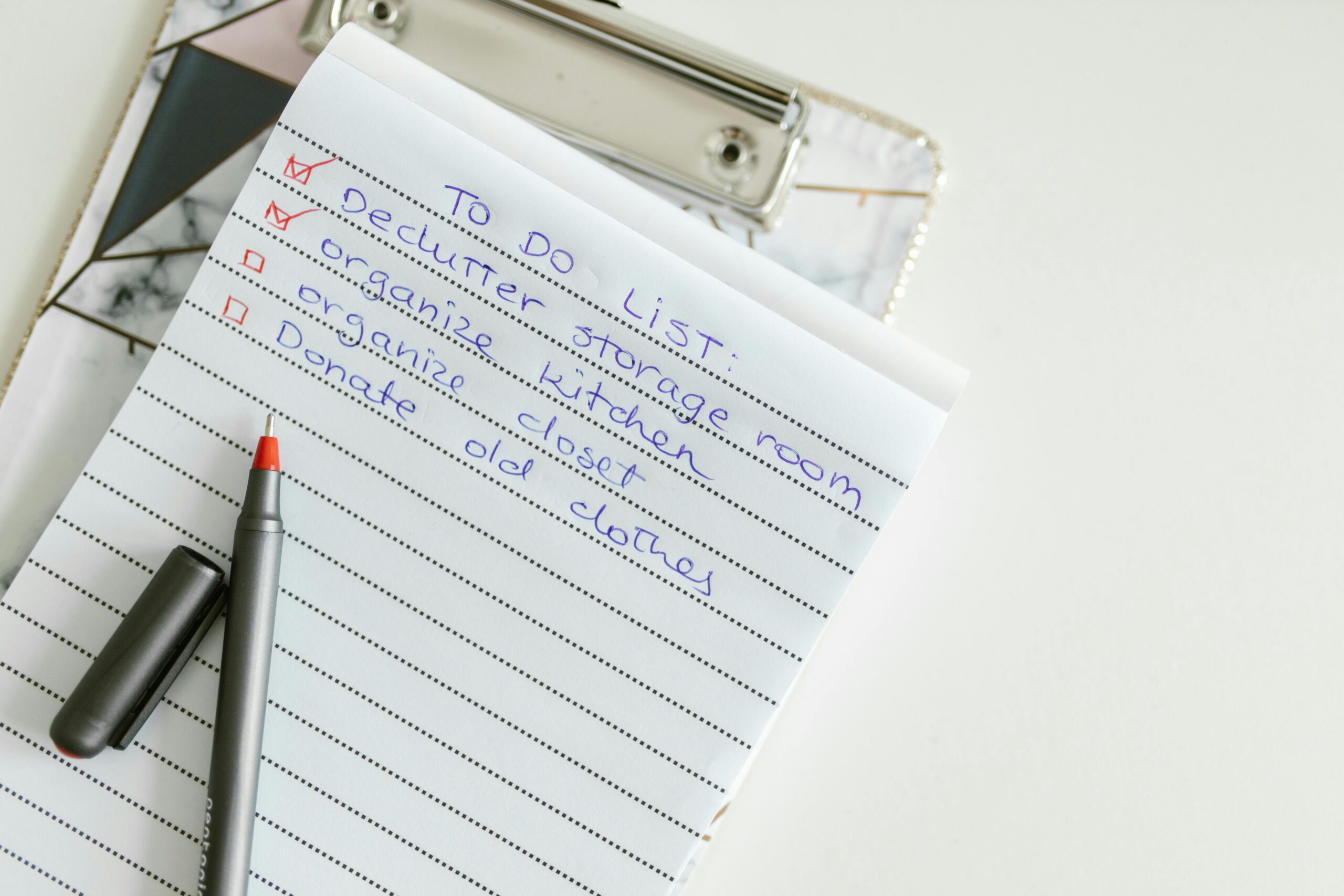
Document each item with a simple list or photograph. This record becomes your baseline for tracking frequency patterns over the next month. Honest assessment during this phase is crucial—that pasta maker gathering dust doesn’t become more useful through wishful thinking.
📊 Establishing Your Frequency Categories
Divide your cooking tools into five distinct frequency tiers that will guide your organization strategy. These categories account for the reality that cooking habits vary by household, dietary preferences, and lifestyle factors.
Daily Essentials (Multiple Times Per Day)
These are the workhorses of your kitchen—tools you reach for during almost every cooking session. Common daily essentials include chef’s knives, cutting boards, wooden spoons, spatulas, measuring cups, and your favorite skillet. These items should occupy the most accessible storage: countertop containers, wall-mounted magnetic strips, or the most convenient drawer directly in your primary work zone.
The daily category typically contains 10-15 items for most home cooks. If your list exceeds 20 items, you’re likely over-categorizing and should reconsider which tools truly meet the daily-use threshold.
Weekly Regulars (3-5 Times Per Week)
Weekly regulars support your routine cooking but aren’t needed for every meal. Examples include vegetable peelers, graters, colanders, mixing bowls, baking sheets, and specialty pans for weekly meal patterns. These tools deserve convenient but secondary storage—upper drawers, easily accessible cabinet shelves, or hooks within arm’s reach of your work area.
This category often reflects your cooking style. A baker’s weekly regulars include measuring spoons and mixing bowls, while a grilling enthusiast prioritizes tongs and basting brushes.
Monthly Occasionals (1-4 Times Per Month)
Monthly occasionals serve specific purposes for less frequent cooking projects. Pizza cutters, meat thermometers, muffin tins, specialty baking molds, and seasonal serving pieces typically fall here. These tools can occupy less convenient storage locations—higher cabinets, lower drawers, or pantry shelving—since retrieving them happens less frequently.
Seasonal Specials (Few Times Per Year)
These tools emerge for holidays, celebrations, or seasonal cooking. Turkey roasters, cookie presses, decorative serving platters, and themed bakeware belong in this category. Deep cabinet storage, basement shelving, or rotating seasonal boxes work well for these items since immediate accessibility isn’t necessary.
Rare Specialty Items (Once Per Year or Less)
Honest assessment reveals that some tools simply don’t earn their storage space. That bread machine used twice, the spiralizer that seemed revolutionary, or single-use gadgets that duplicate functions of multi-purpose tools often fall here. Consider whether these items deserve storage space or should be donated, sold, or discarded.
🔍 The 30-Day Tracking Method
Assumptions about tool usage often differ from reality. Implement a 30-day tracking period to gather objective data about your actual cooking patterns. This evidence-based approach eliminates emotional attachments and wishful thinking from organizational decisions.
Create a simple tracking system using a kitchen notebook, smartphone notes, or a basic spreadsheet. Each time you use a cooking tool, make a quick tally mark or notation. This low-effort method requires minimal time investment but yields valuable insights.
The tracking period should span typical cooking routines including weekday meals, weekend cooking, and at least one special occasion if possible. This comprehensive view captures pattern variations rather than snapshots of atypical behavior.
At the end of 30 days, tally usage frequencies and assign each tool to its appropriate category. You’ll likely discover surprises—tools you thought were essential barely get used, while others you overlooked prove indispensable.
Designing Your Kitchen Zones Based on Frequency
With frequency categories established, create physical zones in your kitchen that reflect accessibility needs. This spatial organization transforms abstract categories into functional workflow improvements.
The Primary Work Triangle Zone
Your most frequently used tools should reside within the kitchen work triangle—the area connecting your stove, sink, and primary prep surface. This prime real estate should house only daily essentials, ensuring the tools you need most are always within immediate reach.
Install drawer dividers, countertop crocks, or magnetic strips within this zone. Every daily tool should be retrievable without taking more than one step from your primary cooking position. This arrangement dramatically reduces unnecessary movement during meal preparation.
The Secondary Access Zone
Weekly regulars occupy the secondary zone—still convenient but outside the immediate work triangle. Upper drawers in base cabinets, wall cabinet shelves at chest height, and secondary counter areas work well for this frequency tier.
These locations require slightly more effort to access but remain reasonable for items used multiple times weekly. The key is maintaining clear pathways and avoiding stacking items behind one another, which creates access friction.
Deep Storage for Infrequent Items
Monthly, seasonal, and rare items graduate to deep storage locations: top cabinets requiring step stools, lower cabinets requiring bending, pantry shelving, or dedicated storage areas outside the kitchen. Since accessing these tools happens infrequently, the inconvenience of retrieval is acceptable.
Use clear storage containers, labels, and logical groupings to ensure you can locate these items when needed. The goal isn’t to hide them away but to reserve premium space for higher-frequency tools.
✨ The Ultimate Frequency Map Template
Use this comprehensive template to map your cooking tools across frequency categories. Customize the examples based on your personal cooking style, dietary preferences, and kitchen activities.
| Frequency Category | Storage Location | Example Tools | Access Priority |
|---|---|---|---|
| Daily Essentials | Countertop, magnetic strip, primary drawer | Chef’s knife, cutting board, spatulas, wooden spoons, measuring cups, favorite pan | Immediate reach |
| Weekly Regulars | Upper drawers, chest-height shelves | Grater, peeler, colander, mixing bowls, baking sheets, specialty pans | Within 5 seconds |
| Monthly Occasionals | Standard cabinets, pantry shelves | Pizza cutter, meat thermometer, muffin tins, specialty molds | Within 30 seconds |
| Seasonal Specials | High cabinets, deep shelves | Turkey roaster, cookie press, holiday serveware, seasonal bakeware | Retrievable with effort |
| Rare Specialty | Remote storage or elimination | Single-use gadgets, rarely-used appliances, decorative items | Consider donating |
Practical Implementation Strategies for Different Kitchen Sizes
Kitchen size significantly impacts how you implement frequency mapping. The principles remain consistent, but execution varies based on available space and storage configurations.
Small Kitchen Optimization
Limited space makes frequency mapping even more critical. Small kitchens cannot accommodate rarely-used items without sacrificing functionality. Be ruthless about moving seasonal and specialty items to storage outside the kitchen proper—closets, basement shelving, or overhead garage storage.
Vertical storage solutions maximize small kitchens: wall-mounted magnetic strips, hanging pot racks, adhesive hooks inside cabinet doors, and stacking organizers that utilize full cabinet height. Every square inch must justify its existence through frequent use.
Large Kitchen Opportunities
Expansive kitchens present the opposite challenge—too much space can disperse tools, creating inefficient workflows. Even with ample storage, maintain the frequency principle by clustering high-use items in a compact primary zone. Large kitchens benefit from creating specialized stations: a baking zone, coffee station, or prep area, each with its relevant frequent-use tools.
The risk in large kitchens is keeping rarely-used items in prime locations simply because space exists. Resist this temptation and maintain discipline about frequency-based organization regardless of available storage.
🔄 Maintaining Your Frequency Map Over Time
Cooking habits evolve with life changes, dietary shifts, and skill development. Your frequency map should adapt accordingly through regular reassessment and adjustment.
Schedule quarterly reviews of your tool organization. Notice which items have migrated in usage frequency—perhaps that spiralizer you rarely touched now gets weekly use after adopting a new diet, or your once-beloved waffle maker hasn’t emerged in months.
Life transitions trigger natural reassessment points: moving homes, welcoming children, adopting new dietary patterns, or developing new cooking interests. These moments provide excellent opportunities to reset your frequency map aligned with current rather than historical cooking habits.
Document changes to track evolution over time. This history reveals patterns about your cooking journey and prevents repeating past organizational mistakes.
Common Frequency Mapping Mistakes to Avoid
Several predictable pitfalls undermine frequency mapping effectiveness. Awareness helps you avoid these common organizational traps.
Aspirational categorization ranks among the most frequent mistakes. You categorize the bread machine as weekly regular because you intend to bake bread regularly, despite evidence showing monthly or less actual usage. Base categories on demonstrated behavior, not future intentions.
Emotional attachment overrides practical assessment. Grandmother’s vintage mixing bowl deserves display or careful storage, not prime drawer space if you rarely use it. Honor sentimental items through appropriate preservation, not daily-use categorization they don’t merit.
Failure to account for seasonal variation creates frustration. Your ice cream maker deserves different placement in summer versus winter. Consider implementing seasonal rotations for items with weather-dependent usage patterns.
Over-categorizing creates complexity that defeats the simplification purpose. If you’re splitting hairs between items used six times monthly versus eight times monthly, you’re missing the forest for the trees. Broader categories provide sufficient guidance without analysis paralysis.
📱 Digital Tools for Tracking Kitchen Tool Frequency
While paper tracking works perfectly well, digital tools offer convenient alternatives for tech-savvy organizers. Simple spreadsheet templates, note-taking apps, or dedicated home organization applications can streamline the tracking process.
Basic smartphone notes apps provide quick tally systems. Create a note for each frequency category and add tool names as you use them. The timestamps automatically track when you last used each item, providing valuable frequency data.
Photography proves surprisingly effective for kitchen organization. Take before photos of your current setup, then document your frequency-mapped arrangement. These visual records help you remember what works and troubleshoot issues when organization starts creeping back toward chaos.
The Psychology Behind Effective Kitchen Organization
Understanding why frequency mapping works illuminates broader principles applicable beyond kitchen organization. The cognitive load reduction from intuitive tool placement removes micro-decisions from cooking workflows.
Decision fatigue accumulates through countless small choices throughout the day. Eliminating the “where did I put that tool” question preserves mental energy for the creative and technical aspects of cooking that actually matter. Your brain stops wasting processing power on tool location and redirects that capacity toward technique, timing, and flavor development.
The mere exposure effect explains why visual frequency mapping—seeing your most-used tools—reinforces positive cooking habits. When your favorite tools are visible and accessible, you’re more likely to cook from scratch rather than defaulting to convenience foods or takeout.
🎯 Measuring Success: How You Know It’s Working
Effective frequency mapping produces measurable improvements in kitchen functionality and cooking enjoyment. These indicators signal successful implementation.
Reduced meal preparation time provides the clearest metric. When you spend less time hunting for tools and more time actually cooking, the system is working. Track prep times for familiar recipes before and after implementing frequency mapping to quantify improvements.
Decreased frustration represents another success indicator. Notice your emotional state while cooking—frequency-mapped kitchens reduce irritation and increase cooking pleasure. You’re cooking because you enjoy it, not battling your organizational system.
Increased cooking frequency often follows improved organization. When cooking becomes easier and more enjoyable through better tool accessibility, you naturally cook more often. This positive feedback loop reinforces both your organizational system and cooking skills.
Adapting the System for Shared Kitchens
Households with multiple cooks require collaborative frequency mapping that accommodates different cooking styles and preferences. The process demands communication and compromise but yields systems that work for everyone.
Conduct separate 30-day tracking for each primary cook, then identify overlaps and differences. Some tools will be daily essentials for everyone, while others vary by individual cooking preferences. Find compromises that optimize for the household’s collective cooking patterns rather than any single person’s preferences.
Consider creating personal tool zones within shared spaces. One cook’s daily essentials might be another’s weekly regulars. Designate drawer sections or cabinet areas where each cook can organize their most-used tools according to personal frequency patterns.
Beyond Tools: Applying Frequency Mapping to Ingredients and Pantry Organization
The frequency mapping principle extends naturally beyond cooking tools to ingredients, pantry organization, and refrigerator arrangement. Items used daily deserve prime real estate, while specialty ingredients can occupy less accessible locations.
Apply the same five-category system to pantry staples. Cooking oil, salt, and frequently used spices merit eye-level storage in easy-reach locations. Specialty flours for occasional baking projects or ethnic ingredients for monthly cuisine experiments can occupy higher or deeper shelving.
Refrigerator organization benefits from frequency thinking as well. Daily items like milk, butter, and frequently-used condiments deserve door storage and eye-level shelves. Specialty items used less frequently can occupy crisper drawers or back shelves.
🏆 Transforming Your Cooking Experience Through Strategic Organization
The ultimate goal of frequency mapping extends beyond mere organization into transforming your entire cooking experience. A well-organized kitchen based on actual usage patterns removes friction from meal preparation, making cooking more enjoyable and sustainable as a daily practice.
This systematic approach respects your time, energy, and space by ensuring every item justifies its storage location through demonstrated usefulness. The clarity that emerges from frequency-based organization reduces decision fatigue and creates an intuitive environment where cooking flows naturally.
Start your frequency mapping journey today by conducting an honest inventory of your current cooking tools. Track usage for 30 days, assign categories based on evidence rather than wishful thinking, and implement storage solutions that reflect actual patterns. Your future self will thank you every time you reach for a tool and find it exactly where it should be—right at hand when you need it most.