
Living in a small apartment doesn’t mean sacrificing style or functionality. With the right storage mapping strategy, you can transform even the tiniest space into an organized, clutter-free sanctuary that feels surprisingly spacious.

The challenge of small apartment living is real, but so are the solutions. By creating a comprehensive storage map and implementing smart organizational systems, you’ll discover hidden potential in every corner of your home. This guide will walk you through creating your ultimate storage template that adapts to your lifestyle and maximizes every square inch available.
🗺️ Understanding the Storage Mapping Concept
Storage mapping is more than just organizing your belongings—it’s a strategic approach to understanding your space’s full potential. Think of it as creating a blueprint that identifies every storage opportunity in your apartment, from obvious closets to unexpected nooks that often go overlooked.
The foundation of effective storage mapping begins with a thorough assessment of your current space. Walk through each room with fresh eyes, noting not just floor space but also vertical opportunities, underutilized corners, and multi-functional furniture possibilities. This initial audit becomes your roadmap for transformation.
Many apartment dwellers make the mistake of organizing reactively—buying storage solutions without a plan and wondering why clutter persists. A storage map flips this approach, ensuring every purchase and organizational decision aligns with your space’s unique characteristics and your lifestyle needs.
Creating Your Personalized Storage Inventory
Before mapping storage solutions, you need to know exactly what you’re storing. Conducting a complete inventory might seem tedious, but it’s essential for creating an effective storage template that actually works for your life.
Start by categorizing your belongings into major groups: clothing and accessories, kitchen items, bathroom essentials, electronics and cables, books and documents, hobby supplies, seasonal items, and sentimental keepsakes. Within each category, estimate quantities and note how frequently you use these items.
This frequency-of-use assessment is critical. Items you access daily need prime real estate—easy-to-reach locations at eye level or below. Weekly items can occupy slightly less convenient spots, while seasonal and rarely-used belongings belong in your apartment’s “deep storage” zones like high shelves or under-bed containers.
The Priority Classification System
Implement a simple three-tier classification system for your inventory:
- Tier 1 (Daily Access): Items used at least once per day that require immediate accessibility
- Tier 2 (Regular Use): Items accessed weekly or monthly that need reasonable access
- Tier 3 (Occasional Access): Seasonal, sentimental, or rarely-used items that can be stored in less convenient locations
This classification becomes the foundation for assigning storage locations throughout your apartment. By matching item priority with storage accessibility, you create a system that naturally supports your daily routines rather than hindering them.
Room-by-Room Storage Mapping Strategy
Now comes the exciting part—creating your actual storage map. This process involves systematically examining each room and identifying every possible storage zone, then assigning your categorized belongings to optimal locations.
🛋️ Living Room Storage Solutions
Living rooms in small apartments often serve multiple purposes, making strategic storage essential. Your storage map should identify opportunities behind and under furniture, within entertainment centers, and along walls where vertical storage can shine.
Consider ottomans with hidden compartments for blankets and magazines, wall-mounted shelving that draws the eye upward while providing display and storage space, and media consoles with enclosed cabinets for concealing electronics and cables. Each piece should earn its place by serving double duty—providing functionality while maintaining aesthetic appeal.
Create a designated “transition zone” near your entryway for keys, bags, and everyday items. This prevents clutter from migrating into your living space and gives everything a logical home right where you need it most.
🍳 Kitchen Storage Optimization
Kitchens present unique storage challenges in small apartments, often featuring limited cabinet space and awkward layouts. Your storage map must maximize vertical space, utilize cabinet interiors efficiently, and identify unconventional storage opportunities.
Map out cabinet zones based on your cooking workflow. Store pots and pans near the stove, food prep items near counter workspace, and dishes near the dishwasher or drying rack. This proximity-based mapping reduces unnecessary movement and makes cooking feel less cramped.
Don’t overlook unconventional kitchen storage zones: the sides of refrigerators (magnetic strips for knives or spice jars), inside cabinet doors (hooks for measuring cups or pot lids), above cabinets (baskets for rarely-used appliances), and even ceiling-mounted pot racks that keep cookware accessible yet out of the way.
🛏️ Bedroom Storage Maximization
Bedrooms in small apartments often lack adequate closet space, requiring creative storage mapping to accommodate clothing, accessories, and personal items without creating visual chaos.
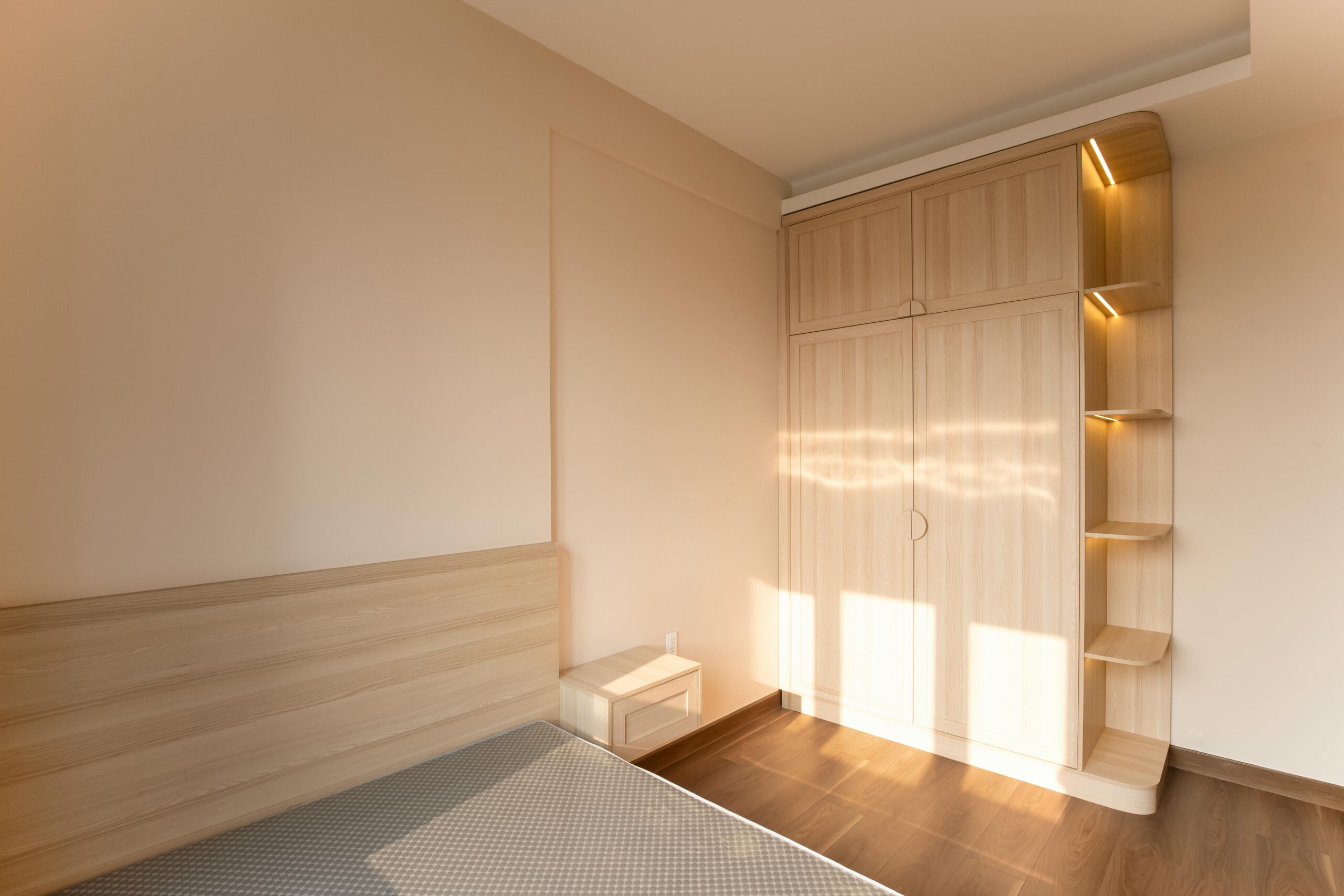
Your bedroom storage map should prioritize under-bed storage (with risers if needed to create more clearance), vertical wall space for hooks and floating shelves, and behind-the-door opportunities for shoes, accessories, or jewelry organizers. Consider whether a wardrobe or armoire might provide better storage than attempting to cram everything into an undersized closet.
For closets, map out a vertical organization system: top shelves for out-of-season clothing and luggage, eye-level hanging space for current-season garments, and lower areas for shoes and frequently-accessed folded items. Slimline hangers instantly increase capacity, while shelf dividers prevent folded stacks from toppling.
🚿 Bathroom Storage Intelligence
Bathrooms present perhaps the most challenging storage mapping scenario—tiny spaces that must accommodate numerous daily-use products. Success requires thinking beyond the medicine cabinet and utilizing every available surface smartly.
Map storage opportunities above the toilet (floating shelves or over-toilet cabinets), inside cabinet doors (adhesive organizers for hair tools), behind doors (towel bars and hooks), and even in shower corners (tension pole caddies that don’t require installation). Consider rolling carts that can slide into narrow gaps beside vanities or toilets, providing surprisingly substantial storage in otherwise wasted space.
Group bathroom items by routine: morning essentials together, evening skincare in another zone, and cleaning supplies in a separate area. This routine-based mapping makes your bathroom feel larger and more functional despite limited square footage.
📊 Building Your Visual Storage Template
Translating your storage strategy into a visual template helps you see the complete picture and identify gaps or inefficiencies in your plan. This template becomes your reference guide when shopping for storage solutions or reorganizing.
Create a simple floor plan for each room, either by hand or using free online tools. Mark existing storage features like closets and cabinets, then overlay your planned additions: where shelving will go, which furniture pieces include hidden storage, and how vertical space will be utilized.
Color-code your template based on your tier system—perhaps green for daily-access items, yellow for regular use, and blue for occasional access. This visual representation immediately shows whether you’ve allocated sufficient prime real estate to your most-used belongings or if adjustments are needed.
| Storage Zone | Best For | Access Frequency | Typical Solutions |
|---|---|---|---|
| High shelves/Above cabinets | Seasonal items, luggage, archives | Tier 3 – Occasional | Labeled bins, lightweight containers |
| Eye-level storage | Daily clothing, frequently-used kitchen items | Tier 1 – Daily | Open shelving, primary closet rods |
| Lower cabinets/Under furniture | Bulky items, backstock, cleaning supplies | Tier 2/3 – Regular to Occasional | Pull-out drawers, rolling bins |
| Vertical wall space | Frequently-accessed items, displays | Tier 1/2 – Daily to Regular | Floating shelves, pegboards, hooks |
| Behind doors | Accessories, cleaning tools, pantry items | Tier 1/2 – Daily to Regular | Over-door organizers, hooks |
🔄 Implementing Your Storage Map: A Phased Approach
A comprehensive storage map can feel overwhelming when viewed as a single project. Breaking implementation into manageable phases prevents burnout and allows you to refine your approach based on real-world use.
Phase one focuses on decluttering and categorizing according to your inventory system. Remove items that don’t serve your current lifestyle, creating immediate breathing room in your small apartment. This step alone often reveals storage capacity you didn’t realize existed.
Phase two involves implementing quick wins—storage solutions that require minimal investment and installation. Think adhesive hooks, drawer dividers, and over-door organizers. These provide immediate organizational improvements while you plan larger investments.
Phase three tackles furniture upgrades and more significant storage additions like shelving systems or multi-functional furniture pieces. By this stage, you’ve lived with your initial changes long enough to know what’s working and where additional support is needed, making these investments more strategic.
Maintaining Your Clutter-Free Small Apartment
Even the most brilliant storage mapping template fails without consistent maintenance. Building simple habits ensures your organized space stays that way, preventing the gradual slide back into chaos.
Implement a “one in, one out” policy for categories prone to accumulation like clothing, books, and kitchen gadgets. This maintains equilibrium in your carefully balanced storage ecosystem, preventing overflow even in limited space.
Schedule quarterly reviews of your storage map—reassess whether current placements still serve your lifestyle, identify emerging problem areas before they become overwhelming, and adjust your system seasonally as different items rotate in and out of active use.
✨ The 15-Minute Daily Reset
The most powerful maintenance habit for small apartment dwellers is a brief daily reset routine. Spend just 15 minutes each evening returning items to their designated zones according to your storage map. This prevents accumulation and keeps your space perpetually guest-ready.
Focus on high-traffic areas: returning kitchen items to proper homes after cooking, rehoming living room items that migrated during daily activities, and ensuring entryway items are properly stored rather than dumped. These small daily investments eliminate the need for exhausting weekend-long reorganization sessions.
Technology Tools for Storage Mapping Success
While storage mapping can absolutely be accomplished with paper and pencil, several digital tools make the process easier and more visual. Home organization apps allow you to photograph spaces, add annotations, and create digital inventories accessible from anywhere.
Consider using a floor plan app to create accurate room layouts, then overlay storage solutions virtually before making purchases. This prevents expensive mistakes and helps visualize how new furniture or shelving will fit within your existing space constraints.
Inventory management apps designed for home organization let you catalog belongings with photos, locations, and categories. This becomes especially valuable for items in deep storage—no more digging through bins wondering which contains winter scarves versus holiday decorations.
💡 Advanced Storage Mapping Techniques
Once you’ve mastered basic storage mapping, several advanced techniques can squeeze even more functionality from your small apartment while maintaining that crucial clutter-free aesthetic.
Consider implementing a “floating” storage system for hobby or project items. Rather than dedicating permanent space to supplies you use periodically, create portable storage kits that can be retrieved when needed and tucked away when projects are complete. This prevents hobbies from permanently colonizing valuable living space.
Zone stacking involves creating layered storage within single areas—for example, a closet might have hanging clothes at the top level, shoe storage at mid-level, and under-hanging organizers creating a third functional layer. This vertical multiplication dramatically increases capacity without expanding footprint.
The Modular Storage Philosophy
Modular storage systems offer unmatched flexibility for small apartment dwellers whose needs evolve over time. Rather than committing to fixed built-ins or single-purpose furniture, invest in components that can be reconfigured as your life changes.
Cube storage systems, adjustable shelving, and stackable containers allow you to adapt your storage map without starting from scratch. When you move, these systems transition seamlessly to new spaces, making them especially valuable for renters who face frequent relocations.
Overcoming Common Storage Mapping Challenges
Even with a solid template, certain challenges repeatedly frustrate small apartment dwellers. Anticipating these obstacles and planning solutions into your storage map prevents future headaches.
Awkward architectural features like sloped ceilings, columns, or oddly-placed windows often seem like storage dead zones. Reframe these as opportunities for custom solutions: a sloped ceiling might be perfect for low-profile storage bins, while a column could support floor-to-ceiling shelving that turns a liability into an asset.
Shared spaces in apartments with roommates or partners require negotiated storage mapping that respects everyone’s needs. Create clearly delineated zones for each person’s belongings, with communal areas thoughtfully organized to prevent territorial disputes. Transparent communication about the storage system prevents passive-aggressive clutter battles.
🎯 Achieving Long-Term Storage Success
The ultimate goal of storage mapping isn’t just initial organization—it’s creating sustainable systems that support your ideal lifestyle in a small space indefinitely. This requires viewing your storage template as a living document that evolves alongside your life.
Major life changes like new jobs, relationships, hobbies, or even just shifting interests require storage map updates. Rather than fighting to maintain a system that no longer fits your reality, embrace flexibility and make adjustments that honor your current needs.
Remember that perfect organization isn’t the goal—functional organization is. Your storage map succeeds when it makes your daily life easier, not when it looks Pinterest-perfect. Prioritize systems that you’ll actually maintain over aspirational arrangements that create more work than they eliminate.
Small apartment living offers unexpected advantages: lower overhead costs, reduced cleaning time, and less space to accumulate unnecessary possessions. By implementing a thoughtful storage mapping template, you transform square footage limitations from frustrations into features, creating a curated, intentional living environment that truly reflects your priorities and supports your best life.