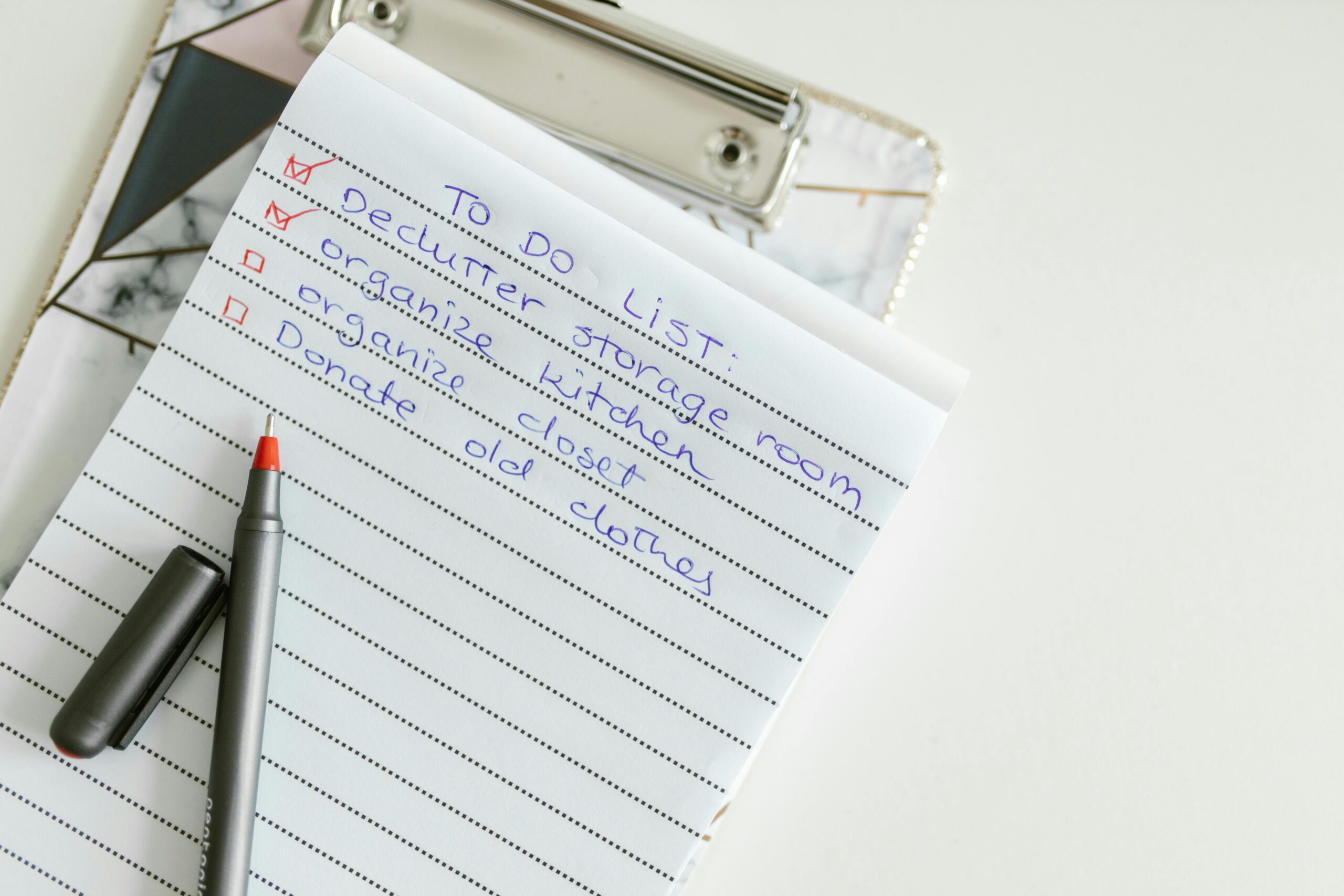
Modern kitchens deserve modern solutions. Cluttered countertops filled with tangled cords and bulky appliances create visual chaos that undermines even the most beautiful kitchen design.

The appliance garage cabinet has emerged as a game-changing organizational solution for homeowners seeking the perfect balance between functionality and aesthetics. These specialized storage spaces conceal small kitchen appliances while keeping them easily accessible, transforming chaotic countertops into sleek, magazine-worthy surfaces. Beyond mere aesthetics, proper appliance storage with integrated cord management systems protects your investment in quality kitchen equipment while streamlining your daily cooking routines.
🏠 Understanding the Appliance Garage Revolution
An appliance garage is essentially a dedicated cabinet space designed specifically to house frequently used kitchen appliances like coffee makers, toasters, blenders, and food processors. Unlike traditional cabinets, these specialized storage solutions feature unique design elements that address the practical challenges of storing powered appliances.
The concept originated in high-end kitchen designs during the 1980s but has recently experienced a renaissance as homeowners prioritize minimalist aesthetics and efficient space utilization. Modern appliance garages incorporate sophisticated features like built-in outlets, pull-out shelves, tambour doors, and most importantly, comprehensive cord management systems that eliminate the unsightly tangle of cables that once plagued kitchen countertops.
These cabinets typically occupy corner spaces, run along backsplashes, or integrate into kitchen islands. The positioning ensures appliances remain within easy reach while maintaining the clean lines that define contemporary kitchen design.
Why Cord Management Makes or Breaks Your Kitchen Organization
Even the most beautifully designed appliance garage falls short without proper cord management. Tangled cables create several problems beyond aesthetics: they pose safety hazards, reduce appliance lifespan through unnecessary wear, complicate cleaning routines, and make accessing stored items frustratingly difficult.
Professional kitchen designers emphasize that cord management should be integrated into the planning phase rather than treated as an afterthought. When electrical cords are properly managed within appliance garages, the entire storage system functions more efficiently, appliances slide in and out smoothly, and the risk of electrical issues decreases significantly.
The Hidden Costs of Poor Cord Organization
Disorganized appliance cords contribute to premature wear on electrical components. Repeated bending, twisting, and compression damage wire insulation over time, potentially creating fire hazards. Additionally, tangled cords attract dust and debris, making them harder to clean and creating unhygienic conditions in food preparation areas.
From a practical standpoint, wrestling with cord chaos adds unnecessary time to daily routines. Those extra minutes spent untangling cables before morning coffee accumulate into hours of wasted time annually—time better spent enjoying your beautifully organized kitchen.
📐 Design Elements That Define Superior Appliance Garages
The most effective appliance garage cabinets incorporate several key design features that work together to create functional, attractive storage solutions. Understanding these elements helps homeowners make informed decisions during kitchen renovations or when adding storage to existing spaces.
Door Styles and Access Mechanisms
Tambour doors—those slatted roll-up panels reminiscent of old-fashioned desks—remain the gold standard for appliance garages. These doors retract completely into the cabinet structure, eliminating swing clearance requirements and preventing accidental collisions in busy kitchens. Alternative options include bifold doors, pocket doors, and flip-up panels, each offering distinct advantages depending on cabinet location and kitchen workflow patterns.
Some modern designs eliminate doors entirely, opting instead for open shelving with strategic positioning that keeps appliances accessible yet visually discreet. This approach works particularly well in kitchens with abundant cabinet space where the appliance garage can be positioned away from primary sight lines.
Interior Configuration and Adjustability
Adjustable shelving transforms appliance garages from single-purpose storage into versatile organizational systems that adapt as your appliance collection evolves. Quality designs feature heavy-duty shelf pins or tracks that support substantial weight without sagging, accommodating everything from lightweight hand mixers to substantial stand mixers.
Depth considerations prove equally important. Shallow appliance garages (12-15 inches deep) suit smaller appliances like coffee makers and toasters, while deeper configurations (18-24 inches) accommodate food processors, blenders, and multi-function cooking devices. The best designs incorporate varied depths within a single cabinet system, maximizing versatility.
⚡ Integrated Electrical Solutions for Seamless Functionality
The transformative power of appliance garages reaches its full potential when electrical outlets are thoughtfully integrated into the cabinet design. This feature eliminates the unsightly cord draping that defeats the purpose of concealed storage, allowing appliances to remain plugged in and ready for immediate use.
Professional electricians recommend installing at least two dedicated GFCI outlets within each appliance garage, positioned on the back wall approximately four inches above the shelf surface. This placement keeps outlets accessible while ensuring cords don’t interfere with closing doors or removing appliances.
Power Strip Integration Versus Fixed Outlets
While built-in electrical outlets offer the cleanest appearance, power strips provide flexibility for kitchens where adding new electrical circuits isn’t feasible. Modern cord management systems accommodate both approaches, with designated channels or clips that route power strips along cabinet interiors while keeping excess cord length neatly bundled.
When incorporating power strips, select models with surge protection, individual switches, and mounting brackets specifically designed for cabinet installation. Avoid cheap power strips that create fire hazards in enclosed spaces—quality components justify their higher cost through enhanced safety and longevity.
🔧 Cord Management Techniques That Actually Work
Even with integrated outlets, effective cord management requires deliberate organization strategies. Several proven techniques help maintain order within appliance garage cabinets while ensuring easy access to stored items.
Cable Clips and Adhesive Organizers
Small adhesive cable clips mounted along cabinet walls create designated pathways for appliance cords, preventing tangling while keeping cables away from moving parts. These inexpensive organizers accommodate various cord thicknesses and can be repositioned as storage needs change.
Install clips in vertical lines running from outlet to shelf, allowing each appliance cord to follow its own pathway. This simple system prevents the chaotic cord jumble that develops when multiple cables compete for space without clear organization.
Velcro Straps and Cord Wraps
For appliances used infrequently, velcro cable ties keep excess cord length bundled neatly without the permanent compression damage caused by twist ties or rubber bands. These reusable organizers adjust easily as cord management needs evolve and cost only pennies per unit.
Professional organizers recommend wrapping cords in loose loops rather than tight coils, preserving wire flexibility and preventing the internal damage that leads to electrical failures. Store wrapped cords beside or behind their corresponding appliances, maintaining clear associations that simplify kitchen workflows.
Cord Management Boxes and Trays
Specialized cord management boxes corral power strips and excess cable length within compact containers that mount inside cabinet walls or sit on shelves. These solutions work particularly well for appliance garages housing multiple devices, creating centralized power distribution points that streamline electrical management.
When selecting cord management boxes, prioritize ventilation features that prevent heat buildup—a critical safety consideration when multiple appliances share enclosed spaces. Boxes with removable lids facilitate easy access for adjustments without requiring complete system dismantling.
🎨 Style Meets Function: Aesthetic Considerations
Appliance garages shouldn’t compromise kitchen aesthetics. The most successful designs blend seamlessly with surrounding cabinetry while incorporating subtle details that elevate overall kitchen appeal.
Cabinet finishes should match or complement existing kitchen cabinetry, creating visual continuity that makes appliance garages feel like integral design elements rather than aftermarket additions. Interior finishes matter too—light-colored interiors improve visibility and make stored appliances easier to locate, while darker finishes conceal minor wear and staining over time.
Lighting Integration for Enhanced Usability
LED strip lighting transforms appliance garages from dark storage caves into well-illuminated workspaces. Motion-activated lights add convenience, illuminating cabinet interiors automatically when doors open while conserving energy when storage areas aren’t in use.
Position lighting along the cabinet’s upper interior edge, angling light downward to eliminate shadows without creating glare. Battery-powered LED options work well for retrofit installations where adding electrical circuits isn’t practical, though hardwired solutions offer superior reliability for new construction or major renovations.
📊 Choosing the Right Appliance Garage for Your Kitchen
Not all appliance garages suit every kitchen. Selecting the optimal configuration requires honest assessment of your specific needs, available space, and typical appliance usage patterns.
| Kitchen Size | Recommended Configuration | Ideal Capacity |
|---|---|---|
| Small (under 100 sq ft) | Single corner unit with tambour door | 2-3 small appliances |
| Medium (100-200 sq ft) | Dual units or extended backsplash garage | 4-6 appliances |
| Large (over 200 sq ft) | Multiple specialized zones with varied depths | 8+ appliances with dedicated spaces |
Custom Versus Pre-Fabricated Solutions
Custom appliance garages offer perfect dimensional fit and complete design flexibility but command premium prices and extended installation timelines. Pre-fabricated options provide cost-effective alternatives with faster installation, though they may require minor modifications to achieve optimal fit within existing kitchen layouts.
For homeowners comfortable with moderate DIY projects, semi-custom solutions split the difference—purchasing quality cabinet boxes while customizing doors, shelving, and interior organization to match specific needs. This approach delivers professional results at mid-range prices while allowing personalization that makes storage systems truly functional.
🛠️ Installation Considerations and Professional Tips
Successful appliance garage installation requires careful planning and precise execution. While experienced DIYers can tackle basic installations, projects involving electrical work or structural modifications warrant professional assistance to ensure safety and code compliance.
Begin by confirming adequate electrical capacity for planned outlets. Most kitchens feature 20-amp circuits for small appliances, but adding multiple high-wattage devices may necessitate dedicated circuits to prevent breaker trips during peak usage. Consult licensed electricians for proper load calculations and circuit planning.
Critical Measurements and Spatial Planning
Measure appliances before finalizing cabinet dimensions, adding two inches to height, width, and depth measurements to ensure comfortable fit. Account for cord routing space behind and beside appliances—tight fits that seem efficient initially often prove frustratingly impractical during daily use.
Consider appliance usage frequency when planning shelf placement. Daily-use items like coffee makers belong at comfortable heights requiring minimal reaching, while occasional-use appliances can occupy higher or lower positions. This ergonomic approach reduces physical strain and encourages consistent organization habits.
💡 Innovative Cord Management Products Worth Considering
The organizational products market offers numerous solutions specifically designed for appliance garage cord management. Investing in quality components pays dividends through improved functionality and longevity.
- Retractable cord reels: Spring-loaded mechanisms that automatically wind excess cord length, maintaining tidy appearances with minimal effort
- Cord management channels: Adhesive or screw-mounted tracks that guide cables along predetermined pathways while protecting them from damage
- Multi-outlet surge protectors with cord management: Power strips featuring integrated organization features designed specifically for cabinet installation
- Cable sleeves and wraps: Flexible tubing that bundles multiple cords together, reducing visual clutter while simplifying organization
- Magnetic cable holders: Small magnetic clips that attach to metal cabinet components, offering easily adjustable cord management without adhesives or screws
Maintaining Your Organized Appliance Garage System
Creating an organized appliance garage represents just the beginning—maintaining that organization requires ongoing attention and occasional system refinements. Implement quarterly reviews to assess whether current arrangements still serve your needs effectively or require adjustments as appliance collections and usage patterns evolve.
During maintenance sessions, inspect electrical cords for damage, clean cabinet interiors thoroughly, verify that cord management components remain securely attached, and reorganize as necessary to accommodate new appliances or eliminate storage dedicated to devices no longer used.
Preventing Organization Decay
The key to long-term organizational success lies in establishing sustainable habits rather than relying on initial enthusiasm alone. Designate specific homes for each appliance and commit to returning items immediately after use—the extra ten seconds required prevents the gradual disorder that accumulates when “temporary” placements become permanent.
Label shelves if necessary, particularly in households where multiple people access appliance garages. Clear labeling eliminates confusion about proper storage locations, encouraging everyone to maintain organizational systems consistently.
✨ The Transformation: Before and After Benefits
Homeowners who implement comprehensive appliance garage solutions with proper cord management consistently report dramatic improvements in kitchen functionality and aesthetics. Countertops suddenly appear larger and more inviting, cleaning becomes faster without navigating around appliance obstacles, and kitchens feel more peaceful without visual clutter competing for attention.
Beyond tangible benefits, organized kitchens positively impact daily experiences and household stress levels. Starting mornings in orderly spaces sets positive tones for entire days, while evening cooking becomes more enjoyable in environments that feel intentionally designed rather than chaotically accumulated.
The financial benefits also merit consideration. Properly stored appliances last longer, protected from accidental damage and excessive dust accumulation. Well-organized kitchens add tangible value during home sales, with organized storage ranking among top features buyers seek in modern homes.
Making Your Kitchen Work Harder and Look Better
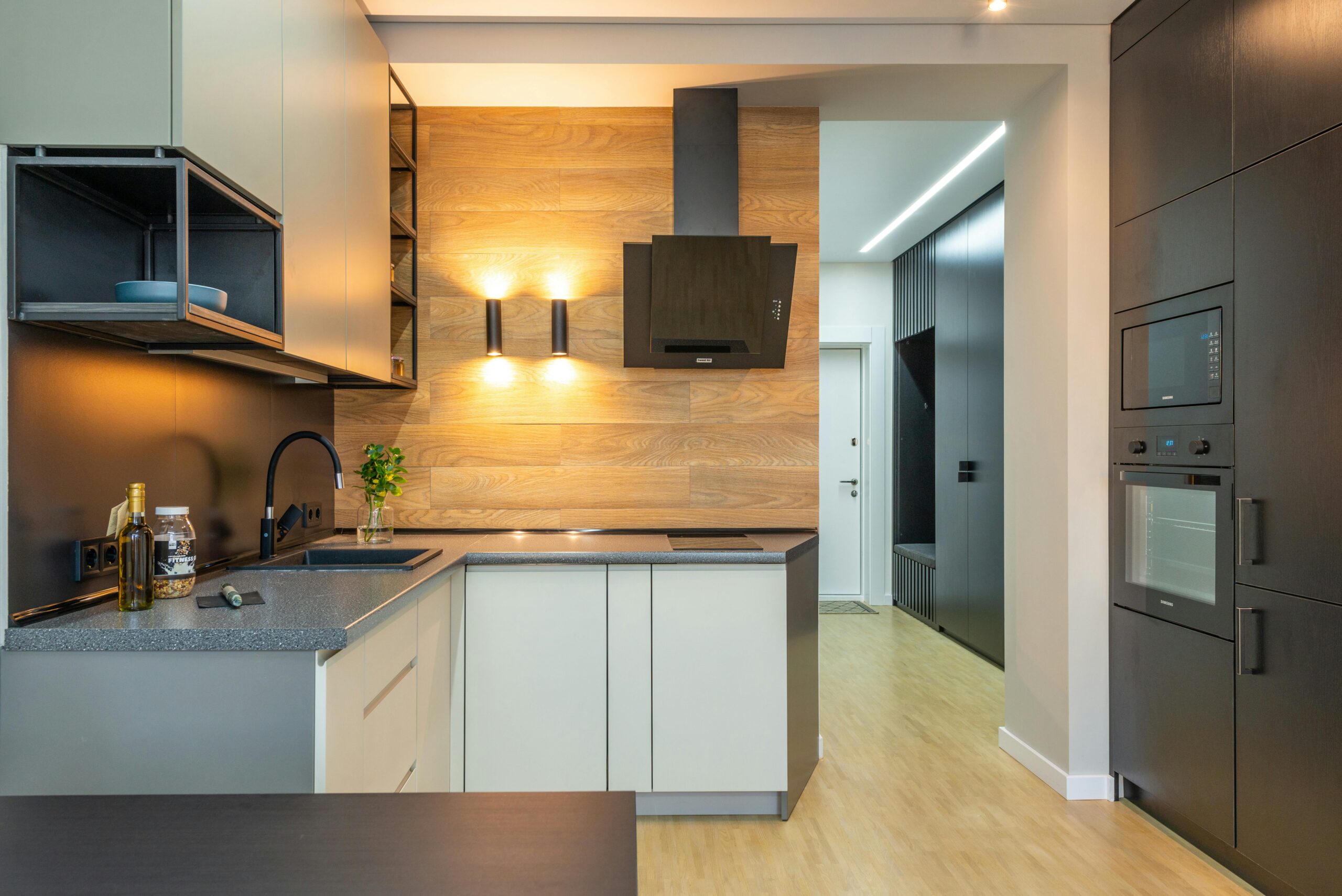
Appliance garage cabinets with sophisticated cord management systems represent investments in daily quality of life rather than mere organizational accessories. These solutions address fundamental challenges that plague modern kitchens—limited counter space, excessive visual clutter, and the perpetual tangle of electrical cords that undermines even the most beautiful designs.
Whether undertaking complete kitchen renovations or implementing targeted improvements to existing spaces, prioritizing proper appliance storage with integrated cord management delivers returns that extend far beyond aesthetics. The combination of functional efficiency and visual appeal creates kitchens that truly serve as hearts of homes—spaces that welcome rather than overwhelm, inspire rather than frustrate, and function as beautifully as they appear.
Transform your kitchen countertops from cluttered chaos to sleek sophistication by embracing appliance garage solutions that put cord management at the forefront of design thinking. Your future self will thank you every single day. 🏡